The Rise and Fall of Scottish Independence Movements
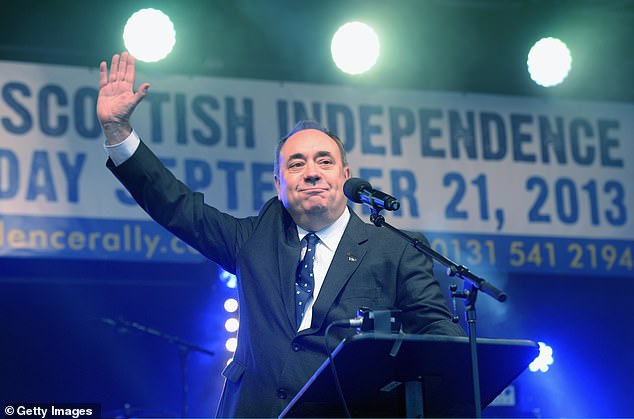
Back in September 2013, a call from a passionate supporter of Scottish independence highlighted the growing tension within the movement. At that time, 8,000 nationalists gathered on Edinburgh’s Calton Hill, with the Yes Scotland campaign gaining momentum. However, not everyone was convinced. A realist in the group pointed out that while the rally was impressive, it didn’t necessarily reflect the broader sentiment of the population. The reality was that millions of Scots had other priorities.
The following year, the referendum on Scottish independence took place, and the result was clear: 55% voted to remain part of the United Kingdom, while 45% supported independence. This outcome marked a significant setback for the nationalist cause. Despite this, some leaders still believe that repeating similar rallies could reignite the movement.
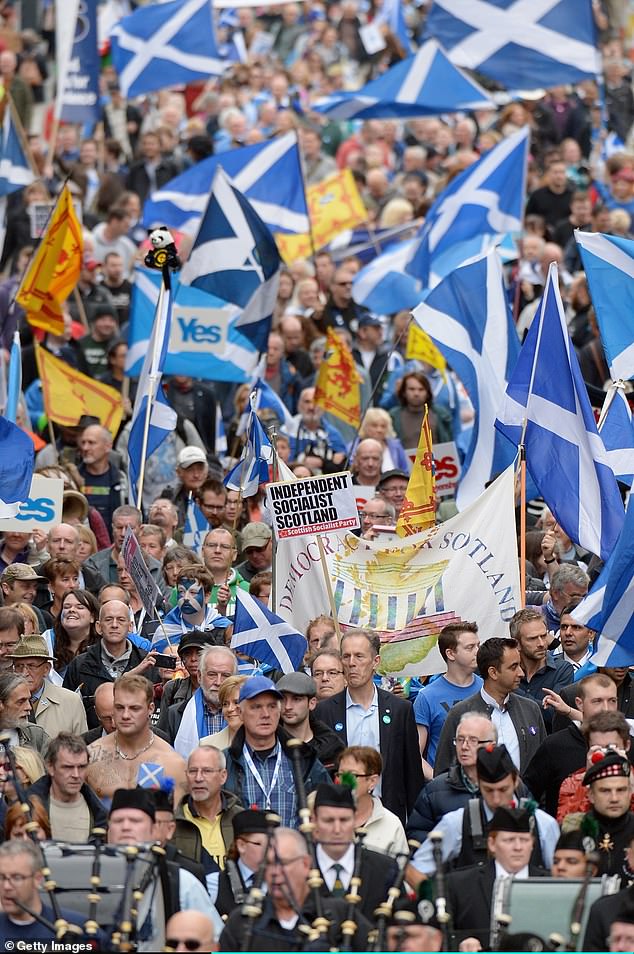
On Saturday, March 28, First Minister John Swinney will lead a rally through Edinburgh and up Calton Hill. He claims the event is about “hope, confidence and choice.” According to Swinney, this is a crucial moment for the independence movement. However, the reality is that such events are unlikely to sway public opinion or prompt the UK Government to consider another referendum.
The UK Government is unlikely to be influenced by a few thousand flags. Similarly, Unionist Scots are unlikely to reconsider their stance based on another demonstration. For Swinney, these rallies serve more as a way to rally his base and showcase leadership rather than as a genuine step towards achieving independence.
The Believe In Scotland group organizing the rally sees it as a statement that the independence campaign “won’t stop.” While this may be true, it also highlights the lack of progress made over the years. After 19 years in power at Holyrood and one failed referendum, the separatists have yet to present a compelling case for independence.
This sentiment is echoed by those who have been involved in the nationalist campaign for decades. Former First Minister Nicola Sturgeon bears a significant share of the blame for the current state of the movement. While Alex Salmond had a clear strategy for achieving independence, Sturgeon focused more on campaigning than on governance. Her approach led to a series of undeliverable promises, failing to convince skeptical voters.
A former SNP cabinet secretary expressed frustration that the party had not learned from the 2014 defeat. They suggested that instead of taking voters for granted, the movement should have focused on governing effectively. Another veteran of the cabinet mentioned that a smart SNP leader would have worked with unionist opponents to show that their views were valued.
John Swinney is expected to lead the SNP to its fifth consecutive Holyrood election victory in May. However, this does not translate to widespread support for independence. A recent survey by Savanta found that the top issues for voters are the cost of living, the NHS, and the economy. Only 13% of those surveyed considered independence a top priority.
Even if independence were a priority, Swinney has no means of delivering another vote on the matter. The constitution remains under the control of the UK Government, and Prime Minister Sir Keir Starmer is not inclined to initiate another referendum. The SNP government is struggling with scandals and lacks a clear vision for the future.
Instead of addressing the concerns of the majority of Scots, Swinney focuses on his base, using the same empty slogans that Sturgeon used during her tenure. Those participating in the rally believe they are part of an unstoppable movement, but the reality is far different. Thousands may join Swinney on Calton Hill, but millions of Scots will have other things to do with their time.