Stranded Hongkongers Return Home Amid Regional Conflict
The first group of Hongkongers stranded in the Middle East returned home on Wednesday night as the regional conflict continued to escalate. An insider revealed that the government is exploring ways to bring more residents back sooner, emphasizing the need for collaboration with airlines to secure seats and manage taxpayer costs effectively.
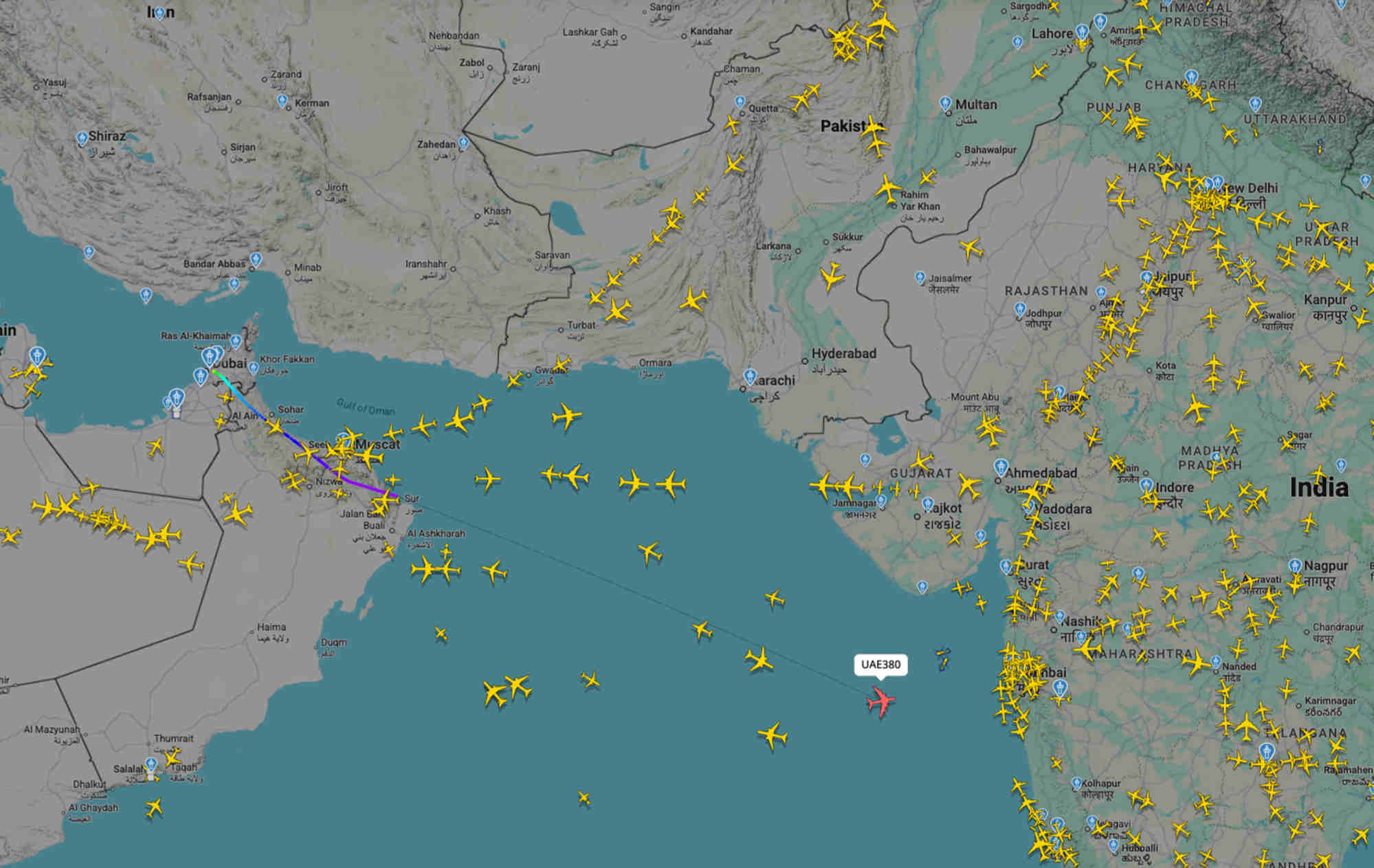
According to the Dubai Airports website, Emirates flight EK380 departed at 10:56 am local time and arrived in Hong Kong at 9:50 pm. Wing On Travel, a Hong Kong travel agency, confirmed that 12 customers and a tour guide were among those who boarded the aircraft on their scheduled return flight.
This marked the first flight back to Hong Kong after Dubai International Airport and Al Maktoum International Airport resumed limited operations on Monday evening. Major international airlines, including Cathay Pacific Airways and Emirates, had halted their operations in the Middle East from last Saturday.
As of Wednesday, around 680 stranded Hong Kong residents had made inquiries, including requests for information about itineraries and flight schedules, according to the Immigration Department. Approximately 100 have since left the region, while others reported that they were safe. Nearly 90% of the inquiries were from Hongkongers in the United Arab Emirates (UAE).
The government has stated that it will maintain close communication with various airlines and urge them to assist residents in leaving the region as soon as operational conditions permit. An insider mentioned that the Immigration Department and the Economic and Trade Office in Dubai are exploring options to bring stranded residents home sooner.
They are working on measures to offer assistance, urging those stranded in Dubai to register their names and situations with the Hong Kong authorities. While some residents took the direct flight home on Wednesday, others, including the Hong Kong women’s football team, would return via more circuitous routes.
The Football Association of Hong Kong, China, stated that the team flew to Bangkok, Thailand, on Wednesday morning and would return to the city in batches. Another source mentioned that a travel agency hired by the association had secured Emirates tickets from Dubai to Bangkok, allowing the players and staff to leave.
However, hundreds of Hongkongers remained stranded due to severely limited flights, including 22 tourists and a tour guide from Wing On Travel. The agency mentioned that the group had initially been scheduled to return from Dubai on Sunday but had managed to secure seats on a flight on Thursday, subject to the airline’s arrangements.
Yuen Chun-ning, CEO of travel agency WWPKG, said two of its tour groups which were scheduled to return from Dubai on Wednesday had secured seats on a return flight on Thursday. He added that the agency would cover additional accommodation and meal expenses.
As of 5 pm on Wednesday, Hong Kong’s Airport Authority reported that 11 flights that day and five more on Thursday had been temporarily cancelled due to the Middle East conflict. Data from aviation analytics firm Cirium showed that about 13,000 of roughly 32,000 flights scheduled to operate into and out of the Middle East had been cancelled since Saturday, when the US and Israel attacked Iran.
On calls from stranded Hongkongers for chartered flights out of Dubai, Andrew Yuen Chi-lok, executive director at the Chinese University of Hong Kong’s Aviation Policy Research Centre, suggested that the government should prioritize working with airlines. This collaboration could secure priority seating on resuming routes, leveraging existing capacities and reducing taxpayer costs. Only if commercial recovery stalls beyond 24 to 48 hours should targeted charters be considered.
He also proposed that the government could work with airlines on indirect flights from Doha in Qatar to the city. On social media platform Threads, one user expressed frustration over repeatedly purchasing Emirates flights available online that were later cancelled and refunded.
Another user shared a photo of a WhatsApp conversation her friend had with the Immigration Department, which advised the individual to travel by road from Dubai to Oman and board a flight home. “The seven-hour trip to Oman … isn’t cheap and we may even get scammed. This is a solution only if there’s no other way out,” the user added.
In Dubai, IT worker Shun Lau found himself in a difficult situation. He was not counted among the stranded travellers who had checked in with a hotel or an airline and were eligible to have their accommodation costs covered by the Dubai or UAE government. Lau, who was in Dubai for a holiday, checked out of his hotel on Saturday for a flight back to Hong Kong but was barred from entering the airport upon arrival.