Nepal’s Youth-Driven Movement and the Upcoming Parliamentary Elections
Nepal is preparing for a pivotal moment in its political history as it gears up for parliamentary elections. This comes months after a powerful youth-led uprising forced out the previous government, marking a significant shift in the country’s political landscape.
Liza Adhikari, a 20-year-old student, carries the physical and emotional scars of this movement. A bullet shattered the top of her left arm on September 8, 2025, during a violent crackdown by police on peaceful demonstrations. She now undergoes daily physiotherapy to regain movement in her shoulder. Adhikari was not throwing stones but was helping to provide water to others when the police opened fire. Her experience is emblematic of the sacrifices made by many young people during the protests.
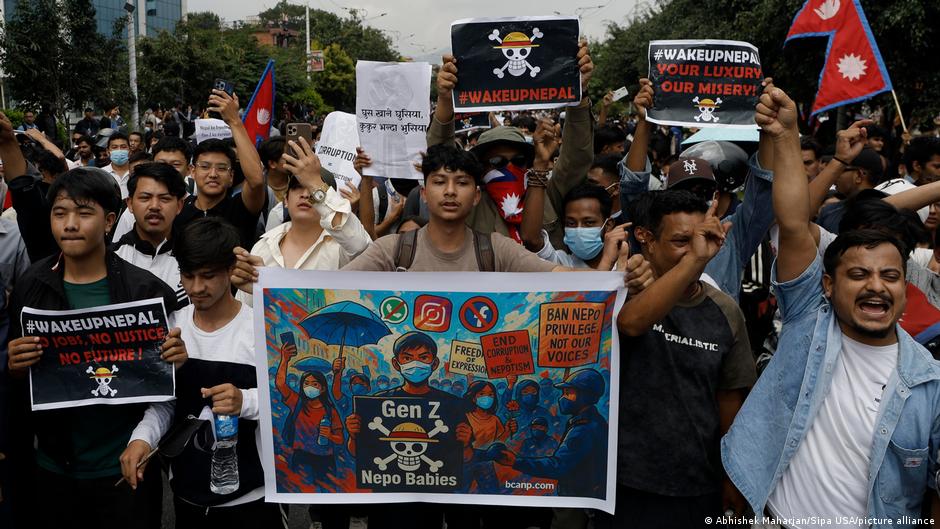
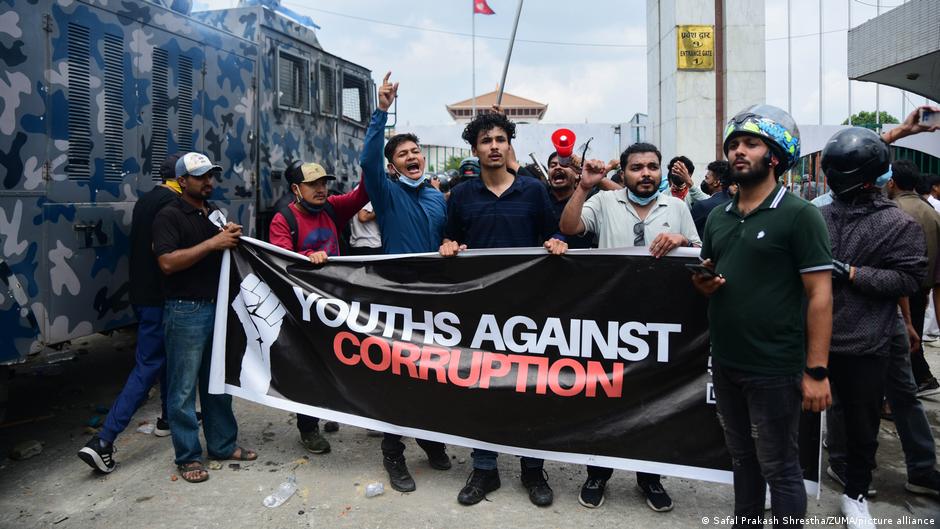
The youth-led demonstrations were fueled by widespread anger against the ruling class over issues like corruption and high unemployment. These protests eventually led to the resignation of then-Prime Minister K.P. Sharma Oli. President Ram Chandra Paudel later dissolved the parliament and appointed an interim government tasked with organizing early elections.
Hope for Genuine Reforms
With nearly 19 million voters registered, the upcoming elections are seen as a crucial opportunity for change. Voters will elect 275 members of the House of Representatives, the lower house of Parliament—165 directly elected and 110 through proportional representation from party lists.
Adhikari remains hopeful that her sacrifice will lead to the “change she fought for.” She believes the youth did not take to the streets to overthrow the government but to raise their voices against corruption and demand good governance. For her, genuine reform of the political system and culture is essential.
“If young people reach Parliament and raise their voices, the impact of the movement may be seen. But if the old parties return to power, and nothing changes, our struggle will be gone in vain,” she said.
Adhikari belongs to a generation that paid the highest price to reset the system. According to Amnesty International, the mass anti-government demonstrations last year resulted in 76 young deaths and over 2,000 injuries.
Limited Representation of Gen Z Candidates
Despite being the driving force behind the protests, very few members of Gen Z have stepped forward to contest the elections. This age group makes up only about 5% of all candidates.
Experts attribute this to structural barriers, including a political culture that favors seniority and often views younger aspirants as “inexperienced” in leadership. There is also a legal barrier: Nepal’s constitution bars anyone under 25 from running for Parliament. Additionally, young candidates must pay fees to compete, with some parties charging substantial sums.
Majid Ansari, a youth activist and law student, pointed out that such costs are prohibitive for many young aspirants. He noted that most Gen Z activists saved their pocket money to join the demonstrations and events that followed, making the application fee a huge burden.
Some young candidates who initially announced independent candidacies later stepped back due to financial constraints.
Taking Gen Z Issues to Parliament
Funding challenges extend beyond participation fees. In a system where the Election Commission lacks the power to regulate party funding, parties often favor middlemen, traders, and wealthy contractors as candidates, who can cover their own costs and support the party financially.
Manish Khanal, a 26-year-old RSP candidate in Nawalpur-2 constituency, is attempting to break this cycle of high-cost electoral campaigns. He relies on donations, volunteers, and free printing and transportation, calling this approach “social capital.” He emphasizes transparency and accountability by not distributing money or material incentives to influence voters.
However, his party has faced criticism over senior leaders using expensive cars and maintaining ties to wealthy businesspeople.
Khanal is one of 12 Gen Z candidates from the RSP. He says the relatively new party aligns with his political beliefs. Others have chosen established parties to bring Gen Z issues to Parliament.
Ajay Kushwaha, 27, is contesting from Nepal’s Bara district for the Nepal Communist Party. He believes the movement has created space for young voices and sees this as an opportunity to reform party culture and raise Gen Z issues in Parliament in an organized way.
Some Avoid Party Politics — for Now
Not all prominent youth leaders are entering party politics. Rakshya Bam, who played an active role in the protests and the formation of the interim government, decided to stay out of the process. She believes the rebellion was against old political tendencies and that she did not see a clear roadmap in the new, alternative forces.
Majid Ansari also prefers to remain part of what he called a “permanent opposition.” He believes that politics is a numbers game, and the youth are weak in terms of numbers. He does not want to jump into politics and become irrelevant.
Some believe not contesting the polls gives them a chance to step back and prepare for a political life. “Once you join politics, it becomes hard to live a personal life with integrity, as it can shrink you to almost nothing. I must prepare myself to stand that test,” Bam said.
Strengthening Youth Political Participation
Analyst Krishna Pokharel believes the Gen Z movement challenged the narrative that young people lack political interest. “It showed that political consciousness among the youth is strong,” he said. “They may hold different political ideologies, but their frustration with the way the country is governed, their dissatisfaction with the state, the lack of good governance and weak service delivery are shared.”
For those who played a key role in the movement and paid a heavy price, the issue is not just political but deeply personal. Adhikari, who spent 64 days hospitalized and still has to pay for costly treatment, worries about the legacy of her movement. If systemic corruption remains unchecked, she fears that this legacy will be a generation of young people forced to seek a future abroad.
“If there are no signs of change,” she said, “then just as I am waiting for the election results now, I may be waiting for a visa to another country.”