A Political Scandal and the Question of Representation
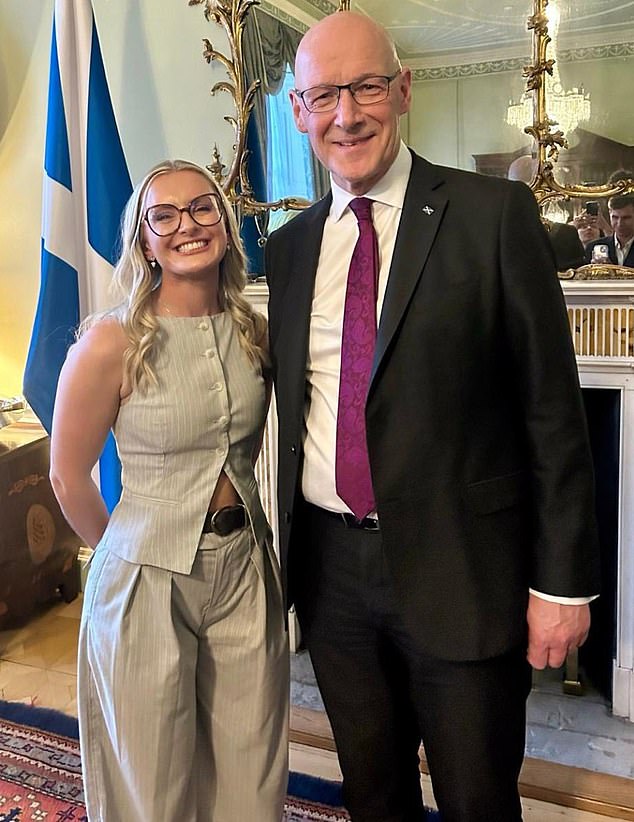
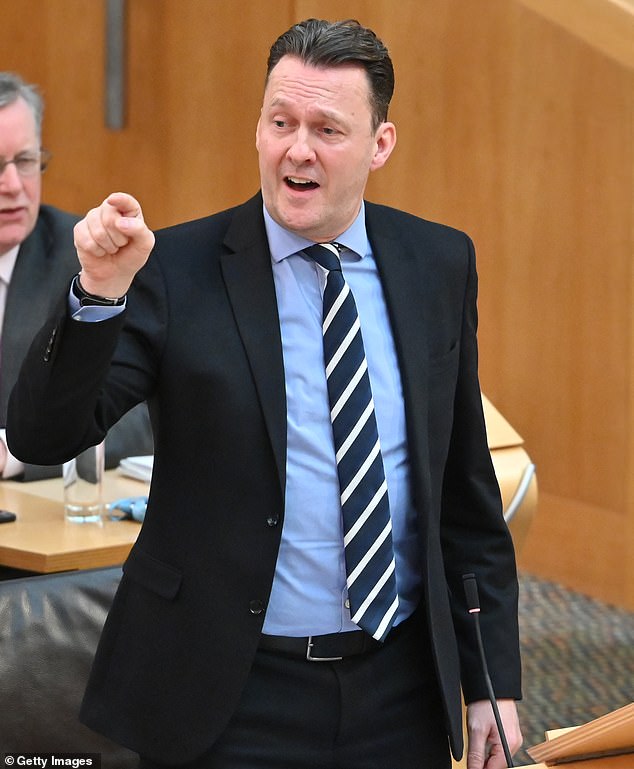
Sally Donald, a 32-year-old SNP candidate for Edinburgh Southern, has found herself at the center of a political storm. Over the past week, she has faced intense scrutiny due to allegations surrounding her receipt of Adult Disability Benefit. This in-work payment is meant to support disabled individuals with daily living expenses. The controversy escalated when she became a focal point during First Minister’s Questions, where Scottish Tory leader Russell Findlay criticized her actions.
Donald’s situation took another turn when she abruptly resigned as an SNP candidate, and it was reported that she may need to repay nearly £20,000 to Social Security Scotland. Despite these challenges, Donald maintains that she has done nothing wrong and has not been charged with any criminal offense.
The story gained significant attention, overshadowing other events, including developments in the Middle East. It resonated with many because it involved an aspiring SNP politician accused of improperly claiming a benefit. The narrative seemed to highlight a perceived double standard, where the SNP appears to be held to different standards than others.
This incident also brought attention to the broader issues within the SNP’s benefits agency, which has come under fire for its low detection of fraud. Critics argue that Social Security Scotland needs to be more robust given the large sums of taxpayer money it handles. The scandal has amplified frustrations among voters who feel that there is one rule for the SNP and another for everyone else.
A Politician Out of Touch?
Sally Donald embodies a certain type of politician in 2026—someone who uses buzzwords, prioritizes similar issues, and seems disconnected from the average voter. One particularly dismaying moment came when an Instagram video of Donald was shared on X. The video, produced for the Girls Who Talk Politics campaign, showcased her day as an SNP candidate. It featured her morning routine, a coffee shop visit, a charity drop-in, shopping, and leisure activities.
While the video highlighted her professional life, it failed to reflect the realities of the constituency she represented. Edinburgh Southern has areas of deep poverty, poor health outcomes, and lower educational attainment. Yet, the video portrayed a life that seemed more aligned with influencer content than the struggles of real people.
Donald might be a dedicated individual, but she comes across as someone with little experience outside the political sphere. Many politicians in Holyrood lack real-world experience, having never managed a business, balanced books, or created jobs. They often come from backgrounds in the public sector, trade unions, or parliamentary staff.
The Crisis of Political Leadership
The current state of the Scottish Parliament raises serious questions about the quality of leadership. Most MSPs are graduates in arts and social sciences, veterans of public and third-sector job creation schemes, and white-collar trade unionists. This trend suggests that entering politics often requires a few years of working for an MSP or MP, with the expectation of being “on-message” and inoffensive.
The result is a parliament filled with individuals who are ill-equipped to run a country or hold a government accountable. This mediocrity is the unofficial motto of the Scottish parliament, leading to dire debate standards and legislative scrutiny that falls short of expectations.
The policy priorities of the governing class often diverge from the needs of the people they represent. This disconnect is a critical issue that needs to be addressed. Almost three decades into devolution, the Scottish parliament still struggles to attract capable leaders.
A Call for Change
Holyrood currently has only a handful of MSPs who could compete at Westminster, and even fewer who are truly competent. The quality of MSPs has consistently been poor, and this trend must change. It is time to demand better representation and refuse to vote for anything less.
The political landscape in Scotland is in dire need of a transformation. A clearing out of ineffective leaders and a focus on attracting gifted and capable parliamentarians is essential. If the Scottish parliament cannot meet these standards, it may be necessary to reevaluate the devolution experiment itself.
Sally Donald’s recent challenges are just one example of the broader issues facing Scottish politics. While she may be unfortunate, there are many others in the political arena who are equally unsuitable for their roles. The permanent governing class will not leave willingly, requiring a democratic realignment on a scale comparable to historical shifts in political power.
Ultimately, the responsibility lies with the people. Things will not improve until we demand better and refuse to accept mediocrity.