The Persistent Haze Crisis in Singapore
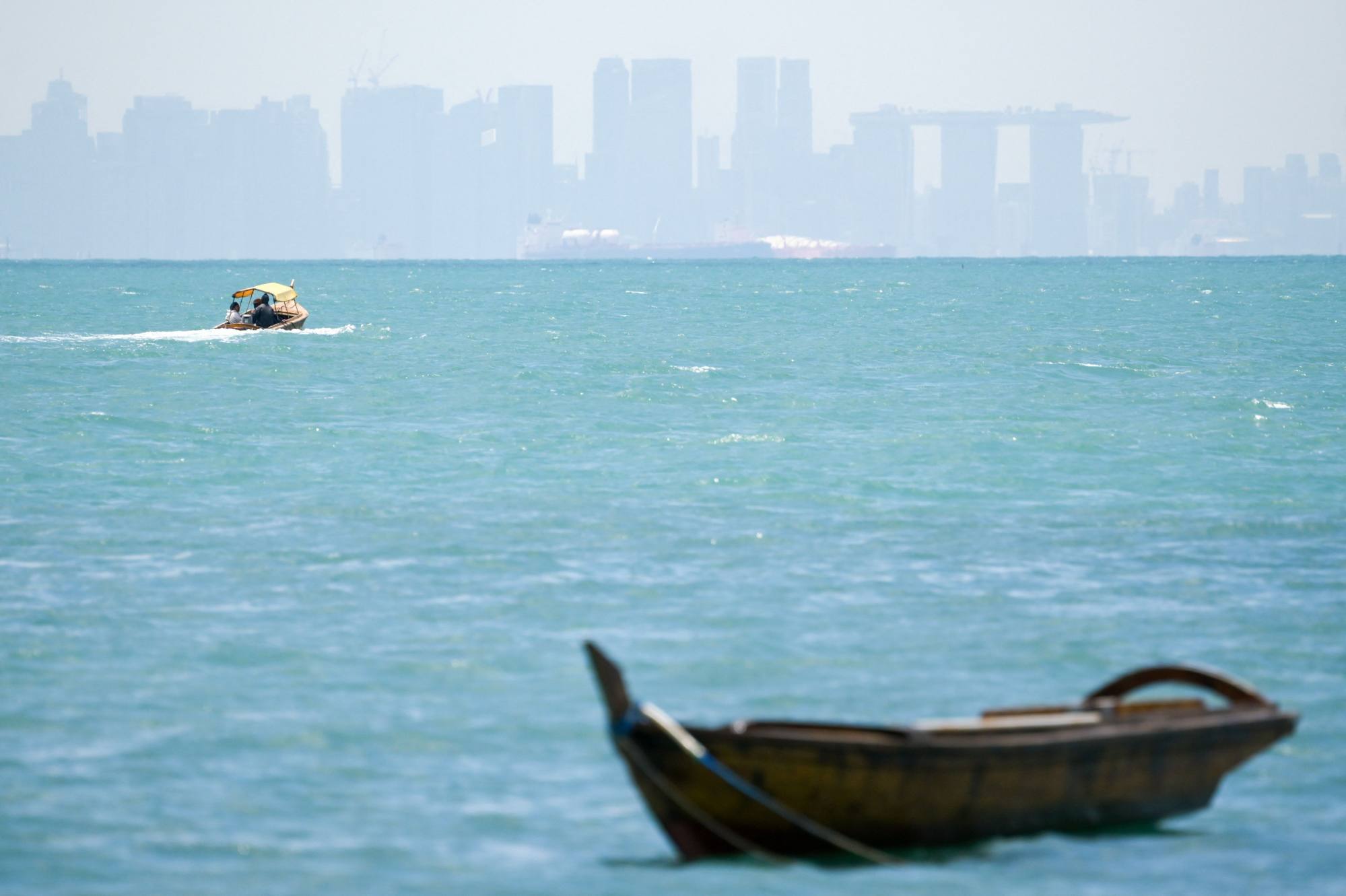
Singaporeans have long been accustomed to the annual haze, a phenomenon that brings with it not only health risks but also increased electricity bills. For many, this is an accepted part of life, despite the growing concerns about its impact on public health and the environment.
Cindy, a 33-year-old resident of Telok Blangah, has noticed a change in the intensity of the haze over the past year. “It’s the same situation every year, but I would say that the fogginess and burning smell have been getting stronger for the last year or so,” she said. As a mother of a young child, Cindy is particularly concerned about the effects of the haze on her family’s health. She keeps her windows closed during the day, which she admits is not ideal for fresh air. “But it’s impossible to get fresh air nowadays.”
Another resident, Eeleenz Liang, 42, has experienced discomfort in her eyes, nose, and throat due to the haze. She mentioned that she has to keep her air conditioner and air purifier running constantly, as opening the windows is no longer an option. “Every year we will face this same issue caused by Malaysia and Indonesia… Nothing can be done because it’s caused by our neighbouring countries,” she said.
Environmental Concerns and Health Risks
Environmentalists have warned that the haze is becoming more severe due to rising temperatures and extreme weather patterns. Tan-Soo Jie-Sheng, director of the Institute for Environment and Sustainability at the Lee Kuan Yew School of Public Policy, emphasized that the haze situation is likely to become more volatile and frequent. According to a climate report from the Meteorological Service Singapore, the country recorded its hottest June and November last year.
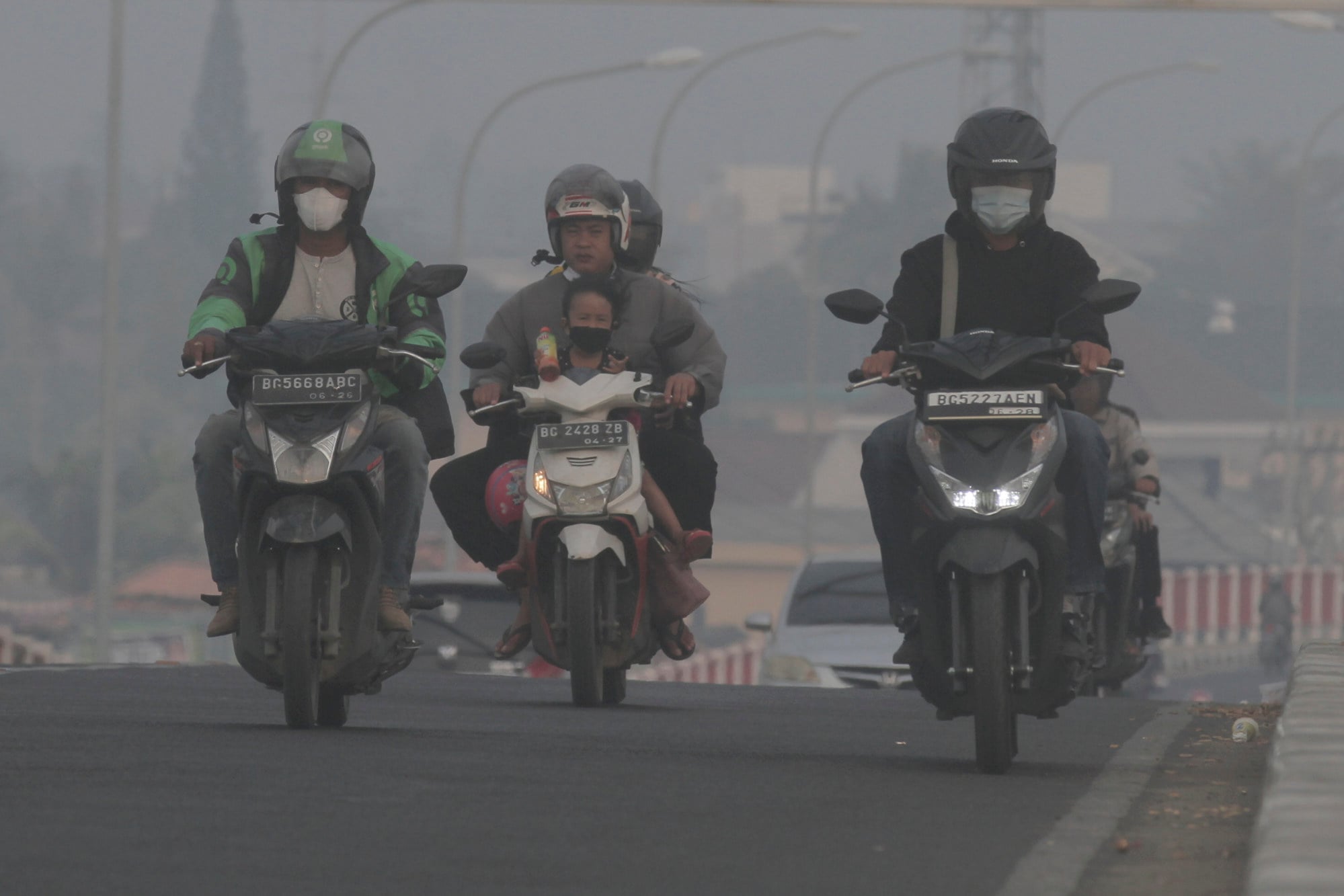
The increased heat raises the likelihood of forest and peatland fires, which worsen the health effects of haze. When people are already exposed to thermal stress, additional exposure to air pollutants places greater strain on the cardiovascular and respiratory systems. Studies show that short-term exposure to haze can lead to eye and skin irritation, as well as respiratory symptoms such as coughing and breathlessness. Prolonged exposure could result in more severe outcomes, including cardiovascular diseases and reduced lung function. Children, individuals with pre-existing conditions, and the elderly are especially vulnerable.
Transboundary Haze: A Regional Challenge
Transboundary haze has been a recurring issue in Singapore and other ASEAN countries, primarily due to forest fires on Sumatra and Borneo islands during dry spells. These fires are often the result of “slash-and-burn” practices used to clear agricultural land or drain peatlands.
In 2002, ASEAN signed an agreement on transboundary haze, which outlined obligations for cooperation in preventing and monitoring pollution from land or forest fires. However, observers note that national interests have hindered effective implementation of the agreement. Felicia Liu, a lecturer in sustainability at the University of York, stated that the persistent recurrence of haze is evidence that the agreement has not been effective.
Helena Varkkey, associate professor of political ecology at Universiti Malaya, added that while the agreement stipulated diplomatic approaches to collective action, it was a “lowest common denominator.” It prioritized consensus to initiate some cooperation on the matter.
Diplomatic Challenges and Legal Measures
ASEAN launched a roadmap in 2016 aimed at eliminating transboundary haze by 2020, updating it in 2024 with a later deadline of 2030. While some countries have enacted partial or full bans on slash-and-burn practices, these bans are not feasible for small firms without financial support, according to Varkkey.
Singapore implemented the Transboundary Haze Pollution Act in 2014, which punishes those who contribute to haze pollution in Singapore, regardless of where the burning incident occurred. This led to tensions when Singapore investigated six Indonesian companies under the act following a severe haze episode in 2015. Jakarta claimed the move could infringe on its sovereignty.
In 2023, Malaysia shelved a similar bill, citing difficulties in obtaining necessary information for prosecution. Instead, it opted for a diplomatic approach through negotiation to address haze issues involving international borders.
Normalizing the Crisis
Despite the challenges, Southeast Asia has become very good at living with haze. Felicia Liu noted that the haze is unlikely to fuel tensions between ASEAN states unless an extremely prolonged and severe season occurs. “If anything, the risk is the opposite: that haze becomes quietly accepted as part of the regional status quo.”
Environmental experts urge policymakers to focus on long-term prevention rather than short-term solutions. They warn residents against downplaying the severity of haze. “Southeast Asia has become very good at living with haze,” Liu said. “But that resilience comes with a downside. It normalises the crisis. The focus shifts to managing exposure rather than eliminating the source.”
Liu added that ASEAN states should treat haze as a year-round crisis instead of a seasonal event. She called for alignment of domestic and regional strategies and the implementation of regulations. “Clean air is a basic human right. Haze isn’t a seasonal inconvenience – it’s a structural crisis.”