Prime Minister Albanese Responds to Trump’s Criticism and Considers Fuel Tax Cuts
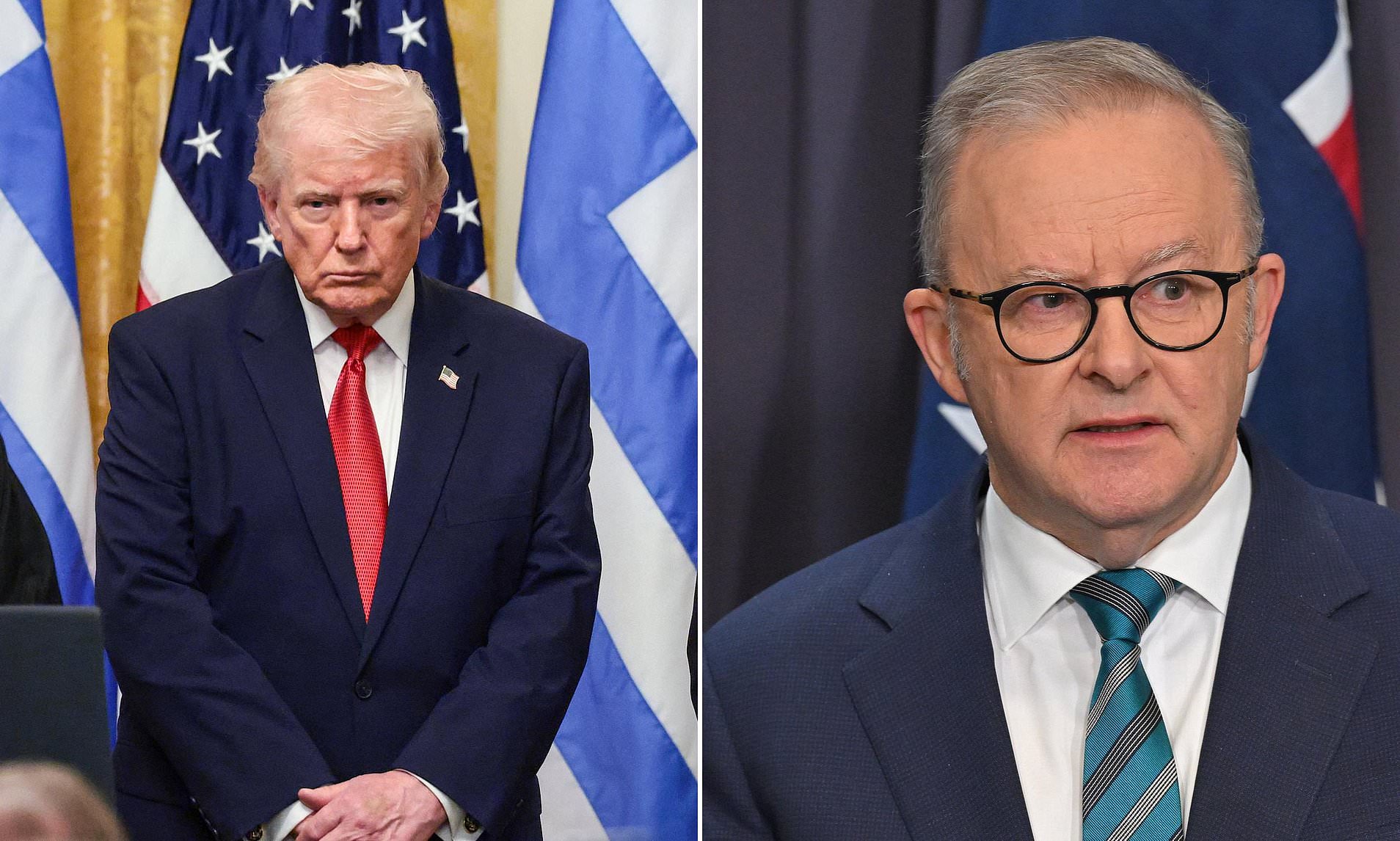
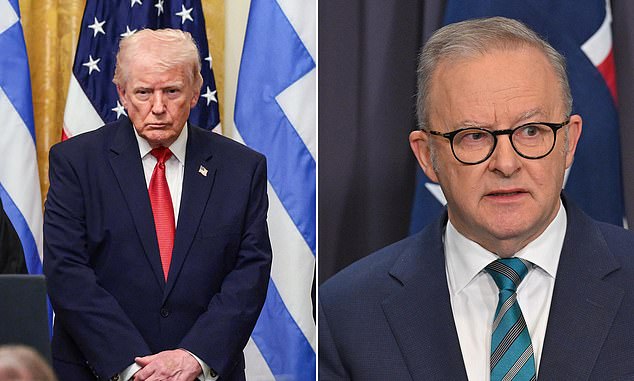
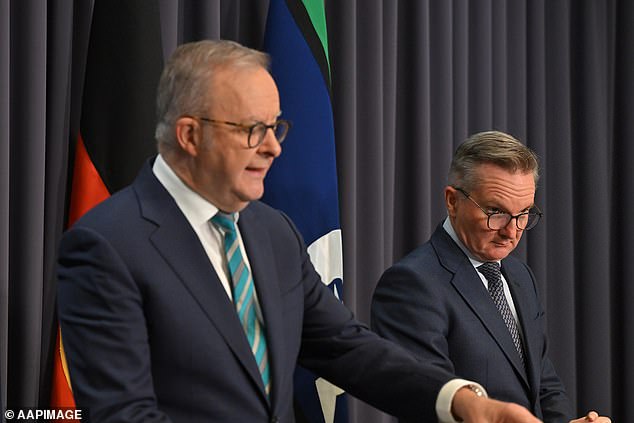
Prime Minister Anthony Albanese has addressed criticism from former U.S. President Donald Trump, who accused Australia and other allied nations of not supporting the U.S. in its conflict with Iran. The situation has intensified due to the ongoing closure of the Strait of Hormuz, which is affecting global oil prices.
Trump reportedly expressed frustration with the lack of support from countries like the UK and Australia, stating, “Australia was not great. I was a little surprised by Australia.” In response, Albanese emphasized that Australia had not been consulted by Washington prior to any military actions against Iran. He stated, “I’m not precious about these things. We made a decision as well about what our response would be, and we continue to engage constructively.”
Albanese acknowledged his relationship with Trump, saying he has enjoyed a constructive dialogue. However, he reiterated that there has been no formal request from the U.S. for Australia’s involvement. “I said very early on that I wasn’t going to comment on all of his commentary on a day-to-day basis—it’s up to him to explain his comments,” he added.
Australia Provides Military Support in the Persian Gulf
In response to a request from the United Arab Emirates (UAE), Australia has deployed an E-7A Wedgetail surveillance plane along with 85 defense force personnel to monitor Iranian drone strikes in the region. This marks the only assistance Australia has provided since the U.S.-Iran conflict began. Defense Minister Richard Marles highlighted the importance of defending Gulf states, given Australia’s strong relationships with them.
The U.S. has extended its self-imposed deadline for Iran to re-open the Strait of Hormuz until April 6, with potential strikes on energy infrastructure looming if no resolution is reached.
Potential Fuel Tax Cuts Amid Rising Prices
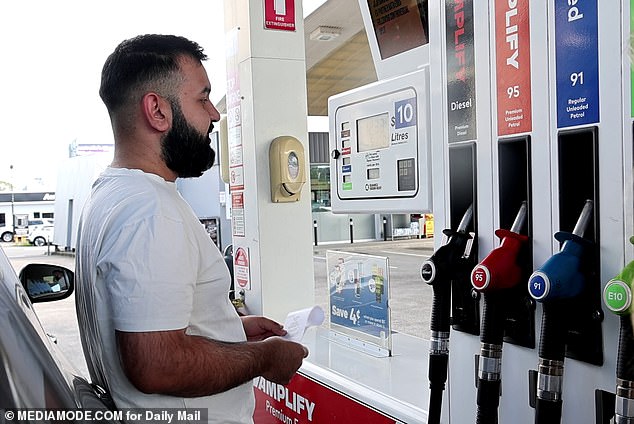
As fuel prices surge, Albanese has left the door open to cutting fuel excise taxes. Currently, the tax stands at 53 cents per liter of petrol and diesel, which could result in a 26-cent reduction if fully passed through. The government has previously cut fuel taxes during major disruptions, such as after Russia’s invasion of Ukraine.
Opposition Leader Angus Taylor has called for a 50% reduction in fuel excise for three months, alongside a cut to the heavy vehicle road user charge. He criticized the government for lacking leadership and urgency in addressing the crisis. “We’re seeing this crisis right across our country right now, and we’re seeing a government which has failed to show leadership,” Taylor said.
Government Confident About Fuel Supply Until May
Despite rising concerns, Albanese assured Australians that the nation’s fuel supply remains secure. “While Australia’s fuel supply outlook remains secure over the near term, due to the actions that the government has taken to date, the government has been clear that the longer this war goes on, the greater the impact will be,” he said.
Energy Minister Chris Bowen confirmed that six cancelled fuel shipments have been replaced through alternative sources, with at least three additional cargoes ordered by refiners and importers. “So that for the next few weeks, Australia’s supply of petrol and diesel and oil will be the same, if not higher than it normally would be,” he said.
Bowen also noted that six cargo loads of jet fuel are currently en route to Australia, matching the normal level expected at this time. While confidence is growing, he warned that the international situation remains uncertain, with elevated oil prices.
Ensuring National Coordination
With only two refineries operating, Australia imports approximately 90% of its fuel, primarily from Singapore, South Korea, Malaysia, and Japan. Bowen expressed confidence that Malaysia will continue to supply Australia, citing the Malaysian government’s commitment to being a reliable supplier.
To address the crisis, Albanese has called for a national cabinet meeting to coordinate a unified response. NSW Premier Chris Minns has urged a coordinated approach, similar to the national response during the pandemic, to prevent states from implementing separate fuel rationing or work-from-home measures.
Albanese emphasized that the government has learned from the fragmented COVID response and will take charge to ensure national coordination.