The Global Stage for Urban Development
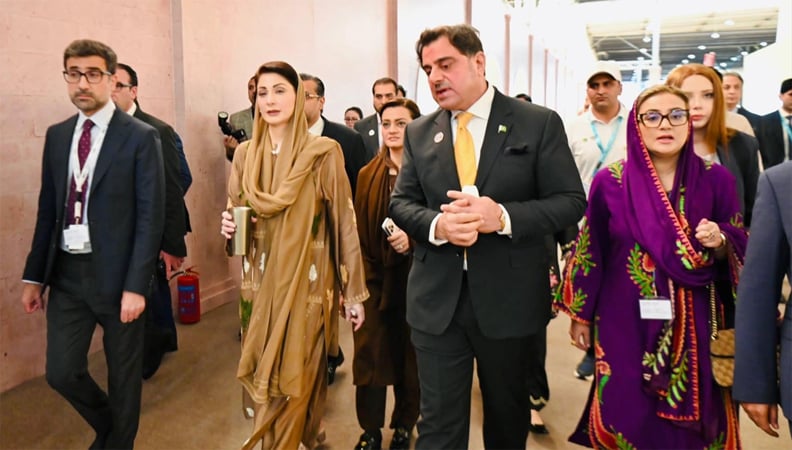
The world is grappling with a myriad of challenges, including the rapid growth of urban populations, the impacts of climate change, housing shortages, and the urgent need for modern infrastructure. In this context, the World Urban Forum stands out as the largest global platform for discussions on urban development, sustainable planning, and public welfare policies. This year, the forum took place in Baku, the capital of Azerbaijan, and Pakistan was represented by Punjab Chief Minister Maryam Nawaz Sharif. Her presence at the event highlighted the province’s vision for urban development on an international scale.
A Major Platform for Urban Dialogue
The 13th World Urban Forum in Baku was more than just an international conference; it served as a major global platform to deliberate on the future of cities around the world. Organized by the United Nations since 2001, the forum aims to seek collective solutions for pressing issues such as rapid urbanization, housing, sustainable development, climate pressures, and urban planning. The event brought together representatives from various countries, urban experts, investors, and policymakers, creating an opportunity for meaningful dialogue and collaboration.
Political and Administrative Significance
Maryam Nawaz Sharif’s participation in the forum carried both political and administrative significance. Upon her arrival for a three-day visit, she was welcomed by the host country’s Deputy Minister for Defense Industry and later met with Azerbaijani President Ilham Aliyev. Another notable aspect of her visit was her visit to the mausoleum of Heydar Aliyev, where she laid flowers, reaffirming the strong ties and shared traditions between the two nations.
Her presence at the forum was not just a diplomatic visit but a significant effort to showcase Punjab’s urban policies, affordable housing initiatives, and modern governance model before an international audience. During the forum, she emphasized that urban development is not merely about constructing roads and buildings, but about improving people’s lives in a dignified, secure, and meaningful way.
The “Apni Chhat, Apna Ghar” Initiative
One of the key highlights of the forum was the Punjab government’s “Apni Chhat, Apna Ghar” (My Roof, My Home) scheme. The Chief Minister inaugurated the “Punjab Pavilion,” where various provincial development projects, digital governance initiatives, eco-friendly measures, and housing programs for low-income groups were presented. Housing and Urban Development Minister Bilal Yasin and his team deserve recognition for their dedication and commitment in transforming this initiative into reality.
Unlike many projects that have historically fallen victim to political favoritism and public exploitation, this initiative stands as a realistic, transparent, and merit-based example that is gaining recognition on the global stage.
A Model for Affordable Housing
The “Apni Chhat, Apna Ghar” scheme is one of Punjab’s flagship housing programs, enabling thousands of deserving families to move toward homeownership through a transparent process. In her interactions with international delegates and the media, the Chief Minister described the program as a reflection of Punjab’s social priorities. The documentary and digital exhibition displayed at the pavilion also attracted considerable attention.
The program allows applicants to submit requests online from home without any initial fee or the need to visit offices repeatedly. Representatives then reach out directly to them. Interest-free loans of up to 1.5 million rupees are being provided for constructing homes on plots ranging from one to five marlas in urban areas and one to ten marlas in rural areas. The number of beneficiaries has reportedly exceeded 150,000, while more than 100,000 homes have already been constructed.
A New Example of Public Service
In a country like Pakistan, promises of large-scale housing construction have long remained political slogans. However, for the first time, not only have these homes actually been built, but a new example of public service has been established across all districts without political or gender discrimination. International delegates described Punjab’s low-cost housing initiative as an effective model, and the forum included it among the world’s notable housing projects.
A Vision for Sustainable Urban Development
In her address, Maryam Nawaz Sharif stated that the true measure of governments lies not in announcements, but in the positive changes brought to people’s lives. She stressed that urban development must be environmentally friendly, aligned with public needs, and based on modern data so that better and more sustainable cities can be built for future generations.
At the forum, the Punjab Chief Minister also expressed a desire to further strengthen relations between Pakistan and Azerbaijan. Praising Azerbaijan’s urban development, modern infrastructure, and global connectivity, she said Punjab also aspires to achieve international standards in modern urban facilities, smart governance, and environmental protection.
Opportunities for International Cooperation
This was the first occasion on which Punjab’s urban development vision was presented on such a large international platform. Representatives from various countries, urban experts, investors, and policymakers showed interest in Punjab’s development initiatives, raising prospects for future international cooperation and investment.
A Commitment to Social Equity
Maryam Nawaz Sharif further emphasized in her speech that the real purpose of development is to provide convenience and dignity to ordinary citizens. She identified housing, a clean environment, safe transportation, modern infrastructure, and digital services as the fundamental components of urban development. According to her, the Punjab government seeks to build cities where the benefits of development reach every segment of society and no citizen feels deprived.
A Path Forward
Punjab’s participation in the World Urban Forum demonstrated that the province is moving toward modern urban development in line with global trends. If these projects continue to be implemented effectively, Punjab could emerge not only as a model for Pakistan but also as an important example of urban development across the region.