The Challenges of Independent Cinema in Nepal
Nepal has seen its fair share of struggles when it comes to the theatrical release of independent films. On the second day of release, a producer I know quietly bought tickets to his own film so that the hall would not look empty. This is a common practice among those working in Nepali cinema. Producers often buy their own tickets because strong booking numbers can help keep a film in theatres longer. Cinema halls closely monitor occupancy, and if bookings remain weak, shows can disappear quickly.
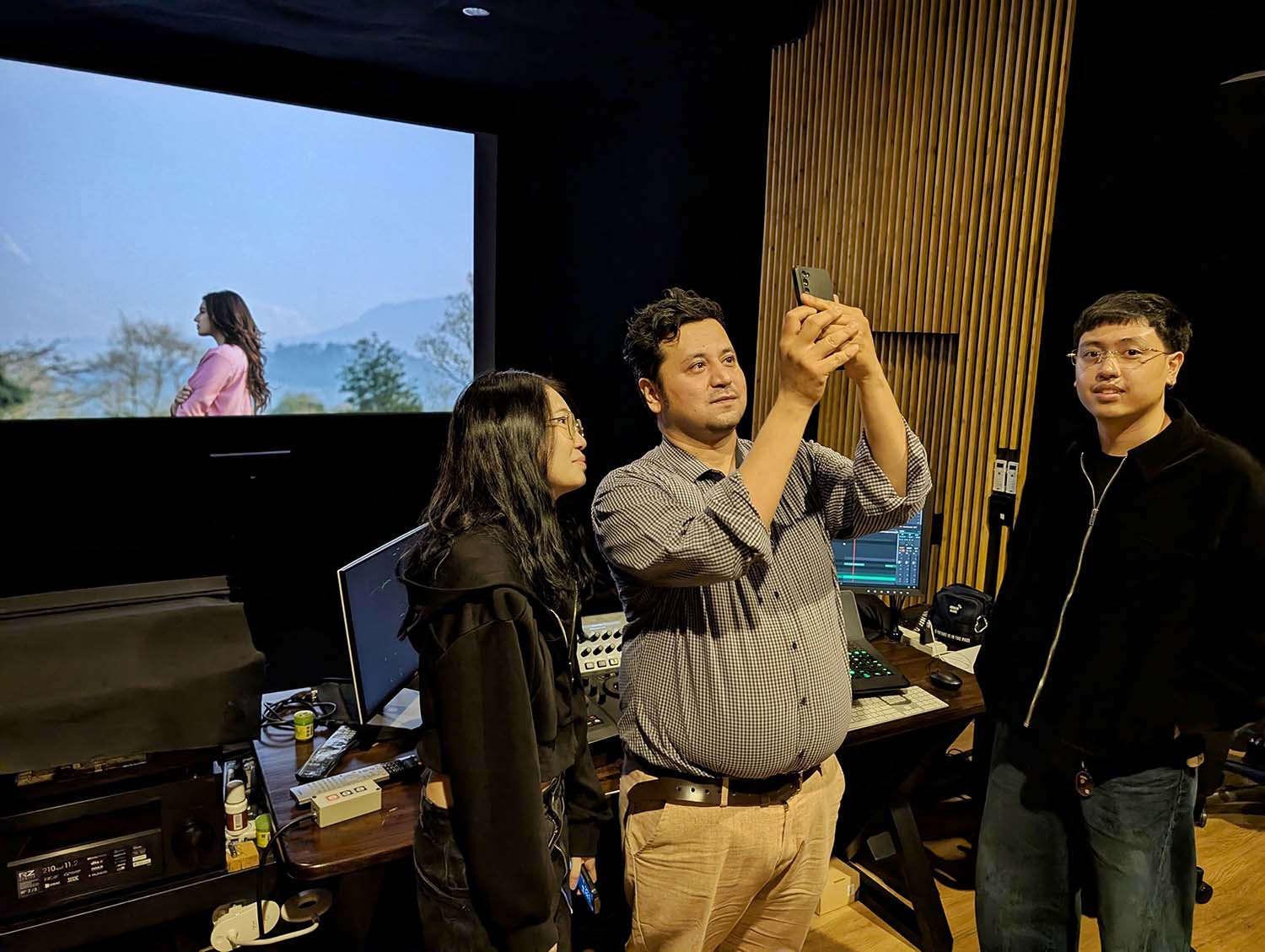
But hearing about these stories and experiencing them firsthand are two different things. As a producer whose film is currently running in theatres across Nepal, I’ve witnessed this reality up close. Our film, Ek Mutthi Badal: My Share of Sky, directed by Sahara Sharma, is Nepal’s first women-led international co-production between Nepal and Germany. Despite our efforts, the opening has been challenging.
We did everything right according to the norms of a Nepali theatrical release. We released a teaser that performed well, with the song “Rel Ghumyo Ghumtima” finding its audience. The trailer crossed one lakh views and entered Nepal’s trending list. It played inside cinema halls, and Sahara Sharma, along with stars Aanchal Sharma, Usha Rajak, and Nisha Sharma, appeared on major interview and film platforms. We also organized press and industry screenings. Former Prime Minister and former Chief Justice Sushila Karki attended one screening and publicly praised the film. National newspapers reviewed it positively, with Nepali Times stating, “This film deserves to be seen by Nepali women, if only to witness how representation and perspective can shift.” The Kathmandu Post wrote, “One can find oneself in its rhythm within the dialogues and the silence.”
Despite all this, we believed audiences would come. Then the release day arrived, and the reality set in.
Many of our screenings were placed in weak time slots—9 am, 10 am, and before 3 pm. One major Kathmandu-area screening was scheduled for 8 pm in Bhaktapur, where evening traffic is already an obstacle. Evening slots matter in Nepal because they are when students, office workers, and families are actually free. Cinema halls respond quickly to occupancy numbers. If bookings remain weak, better slots go to other films. The cycle compounds itself fast: bad slots produce weak numbers, weak numbers produce worse slots, and the window closes before word of mouth has time to build.
This creates a particular kind of pressure. During the release week, the film’s emotional life slowly gets replaced by data. Conversations about performances, writing, and audience response begin to disappear. Everyone stares at seat maps.
There is also a mental health cost to independent producing that people rarely speak about openly. Over the last six years of developing Ek Mutthi Badal, and especially during the last two years of financing, post-production, marketing, and release, I have watched my own body change with the project. I have significantly more white hair than when we began. My face looks older. My sleep patterns changed during release week because occupancy numbers, show timings, marketing costs, and audience turnout became part of everyday life.
A recent report by European film organisation EAVE noted that producers carry the creative, financial, and emotional weight of projects, yet conversations around mental health in cinema rarely focus on them. Producer burnout cases are rising fast, says the EAVE report. That observation felt painfully familiar this week. Independent producers are expected to hold together the film, the finances, the team morale, the partnerships, and the public image of success, often at the same time. Even after the film is complete, the pressure does not end. It simply changes form.
Nobody directly told us to buy tickets to our own film, no distributor, no exhibitor. But the theatrical structure quietly rewards films that already appear successful. Producers begin protecting screenings by inviting friends, students, colleagues, and family members to morning shows because they fear losing the show entirely. At some point, the question stops being about ethics and becomes about survival.
I suspect most Nepali producers have been through this privately. Few speak about it openly.
There is also a growing confusion between critical visibility and theatrical attendance. Social media, trade media, and film journalism can create the impression that visibility automatically becomes audience turnout. A trailer trends; a premiere becomes news; public figures praise the film; critics write thoughtful reviews. None of these things guarantees that people will buy tickets that week.
What stays with me is the contradiction. The people who watched the film responded strongly to it. Women wrote privately about recognizing themselves on screen. Families discussed mothers, daughters, silence, compromise, and emotional exhaustion after screenings. Even critical responses came from genuine engagement rather than dismissal. The theatrical environment simply moved faster than the audience could.
Films like Ek Mutthi Baadal ask difficult questions about family, gender, expectation, and emotional survival inside Nepali homes. They do not offer easy comfort. They ask audiences to sit with discomfort, reflection, and recognition. This is also what cinema is for.
A healthy film culture needs commercial entertainers. It also needs personal films, regional voices, and independent cinema that expands what Nepali audiences can experience on screen. These are not competing interests. They are complementary ones.
If Nepal wants independent cinema to survive, the conversation about structural support cannot wait. Perhaps independent films, first-time filmmakers, women-led productions, and international co-productions need a guaranteed minimum theatrical window, just enough time for audiences to actually find them before they disappear.
Without some form of institutional protection, investors will move toward safer formulas. Filmmakers will stop taking risks. The losses will be invisible, because the films that don’t get made leave no evidence.
I don’t know whether Ek Mutthi Baadal will survive theatrically. But after this week, I understand much more clearly why so many independent Nepali films vanish before their audiences ever find them.