India’s Strategic Move into France’s Sixth-Generation Fighter Programme
India is exploring the possibility of joining France’s Future Combat Air System (FCAS) programme, a significant step in its long-term vision for air warfare. This initiative aims to develop next-generation combat aircraft and connected air systems that will revolutionize aerial combat. Analysts suggest that this move could enhance strategic cooperation between India and France, while also ensuring India has access to cutting-edge technology for future air combat.
The Indian Defence Ministry recently informed lawmakers that it had “initiated efforts” to join FCAS, a French-led project focused on developing advanced aircraft technology and integrated air warfare systems. While the partnership is seen as a logical progression in Indo-French relations, it is not expected to address India’s immediate need for more fighter jets.
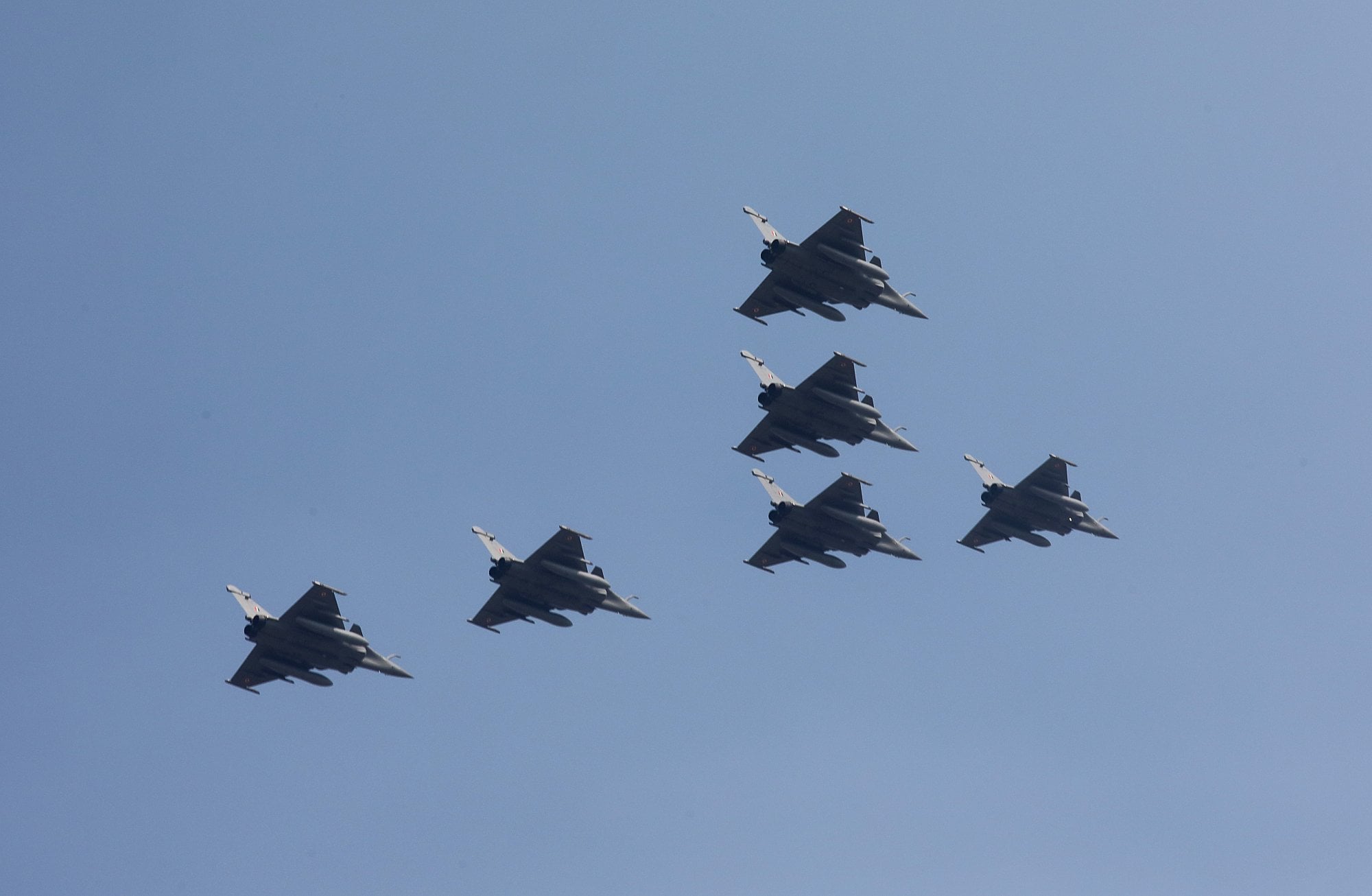
Currently, the Indian Air Force (IAF) operates only 29 fighter squadrons against an authorized strength of 42. This leaves the IAF significantly short of the required numbers to manage potential conflicts with both China and Pakistan. The shortage remains a pressing concern despite the long-term benefits of engaging with FCAS.
Sixth-generation systems are anticipated to integrate piloted fighter jets with drones, sensors, and data networks, enabling real-time information sharing and coordinated strikes across the battlefield. This technological leap could redefine how air forces operate in the future.
Challenges and Opportunities
Despite the potential benefits, analysts emphasize that joining FCAS would not immediately resolve the IAF’s current challenges. Antoine Levesques, a senior fellow at the International Institute for Strategic Studies, noted that FCAS represents a “step-change” in Indo-French strategic cooperation but is not a solution to the IAF’s immediate needs.
India’s interest in FCAS is more about securing a credible sixth-generation option rather than addressing the current shortfall in fighter numbers. Atul Kumar, a fellow at the Observer Research Foundation, highlighted that the FCAS would become operational only in the 2040s, making it a long-term investment rather than a quick fix.
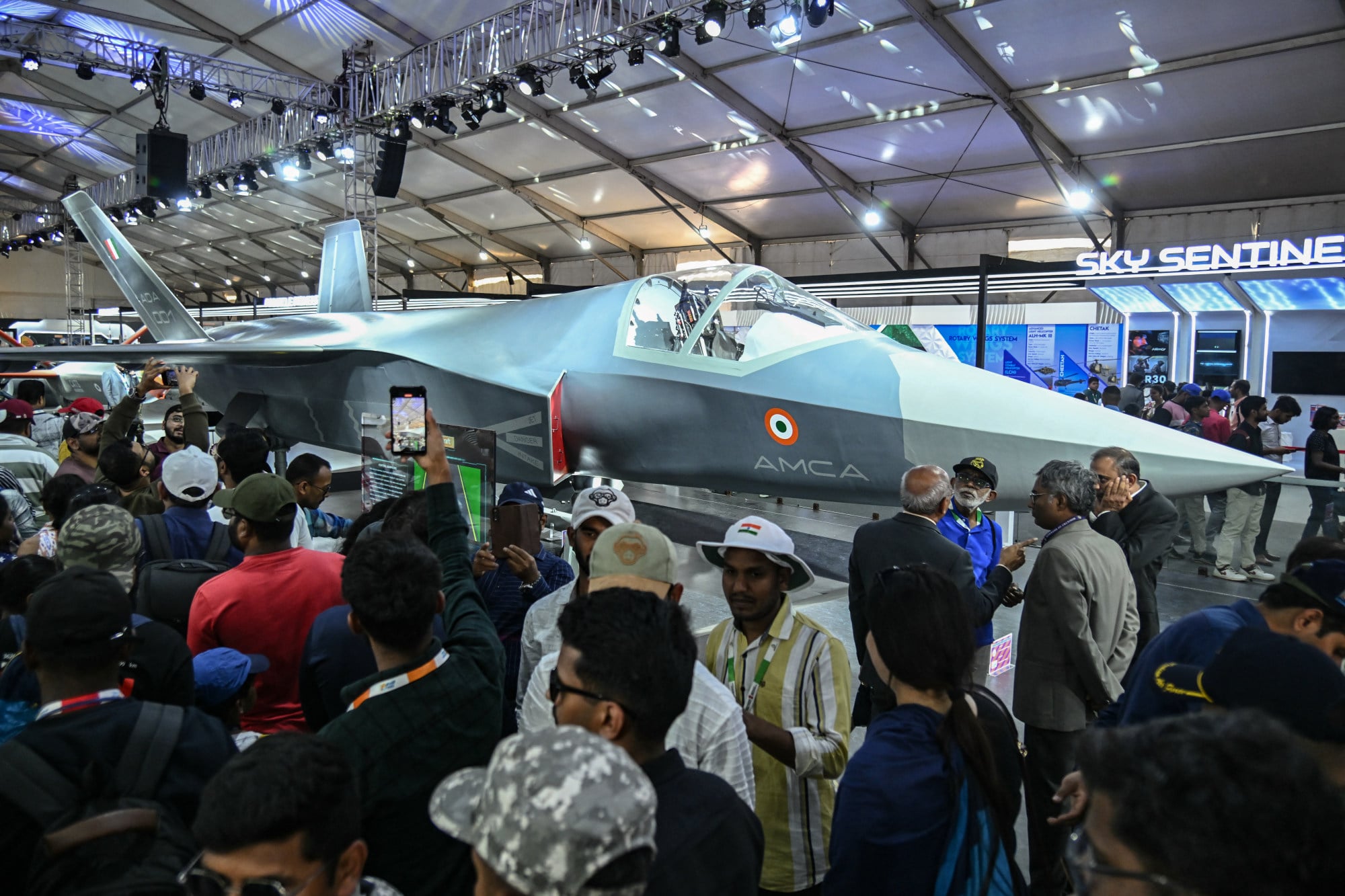
India is already developing its indigenous fifth-generation Advanced Medium Combat Aircraft (AMCA), which is set to complement the FCAS initiative. The AMCA is expected to enter service around the same time as FCAS, creating a challenge for the IAF to integrate both fifth- and sixth-generation fighters simultaneously.
Retired IAF Air Marshal Ravi Gopal Krishana Kapoor pointed out that the integration of crewed fighters with unmanned systems poses another major challenge. Discussions on software, artificial intelligence, machine learning, quantum technologies, cloud systems, workshare, and intellectual property will be critical to the success of the programme.
France is keen to involve India in an expensive project, leveraging the long-standing strategic partnership between the two countries. Kapoor noted that India’s previous experience with Russia’s fifth-generation fighter programme, the FGFA, would shape any discussions. India withdrew from the FGFA in 2018 due to workshare issues and concerns over the aircraft’s capabilities.
Why FCAS Over GCAP?
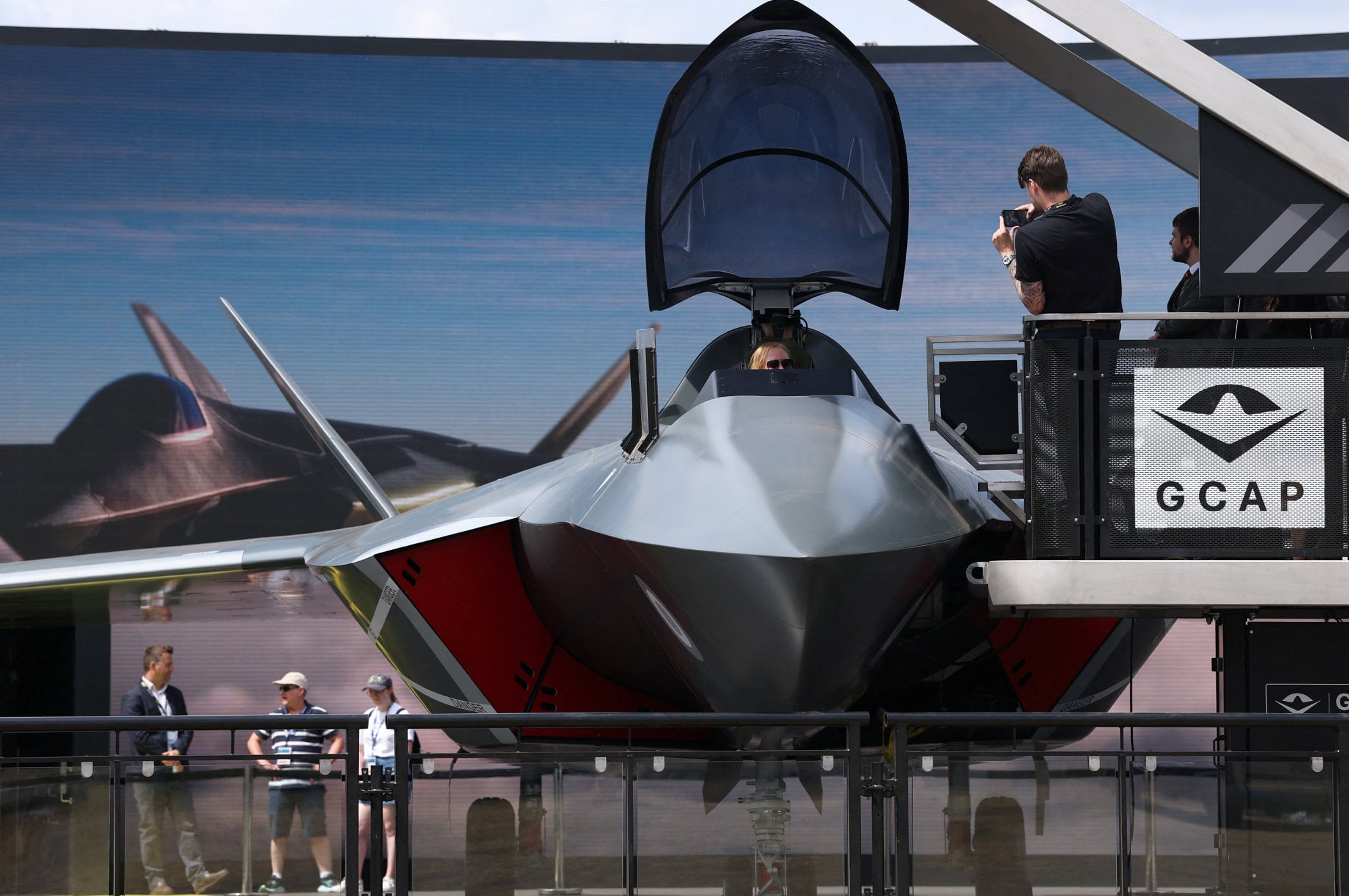
The Indian Defence Ministry had previously mentioned that the IAF was exploring two sixth-generation options: FCAS and the Global Combat Air Programme (GCAP), a multilateral project involving Britain, Italy, and Japan. GCAP is developing the Tempest, a next-generation combat aircraft.
Kumar argued that FCAS appears more attractive than GCAP because of France’s technological autonomy, which reduces India’s exposure to Anglo-American arms export controls. He also highlighted the institutional familiarity, technical expertise, infrastructure, and established industrial relationships that India has with France through its use of French combat aircraft since independence.
Kapoor pointed to India’s Rafale fleet expansion and ongoing discussions with France on fighter-engine cooperation as key factors favoring FCAS. While GCAP seems more stable at this stage, France’s strategic and technological autonomy makes it a reliable partner in the Indian aerospace sector.
This partnership could help India transition from importing fighters to co-developing future generations of combat-aircraft technology. By integrating its aerospace industry into the FCAS programme, India could gain greater leverage in shaping the design, development, and supply chain of next-generation aircraft.