Hong Kong’s Biodiversity: A Hidden Treasure Under Threat
Hong Kong, known for its bustling urban life and towering skyscrapers, is also home to a rich and diverse ecosystem. Conservationists have recently uncovered new species within the city, highlighting the importance of protecting Hong Kong’s natural heritage. These findings come as experts urge authorities to create a “red list” to safeguard vulnerable local wildlife.
The call for a red list has gained momentum, especially on National Ecology Day. This initiative, which has been long-awaited since 2014, aims to identify and protect species at risk of extinction. Deputy Chief Secretary Warner Cheuk Wing-hing emphasized the government’s commitment to environmental protection, stating that the first five-year plan would align with national policies to reduce carbon emissions and promote green development.
New Discoveries in Hong Kong’s Forests
Gary Ades, head of fauna conservation at Kadoorie Farm and Botanic Garden (KFBG), highlighted the positive signs of biodiversity in Hong Kong. He mentioned the presence of the brown wood owl, Chinese barbet, and black-chinned yuhina, which indicate that the city’s forests are mature enough to support these species. These birds, including the brown wood owl, have migrated from nearby regions like Guangdong province.
Ades noted that it takes about 50 to 100 years for forests to mature. The best-preserved areas in Hong Kong include Tai Po Kau, Ma On Shan, and parts of The Peak. These regions provide a diverse mix of trees, creating ideal habitats for various wildlife.
Kadoorie Farm has also been actively involved in forest restoration, planting native trees and shrubs to enhance habitats for plants, animals, birds, and insects. Ades stressed the importance of interdisciplinary collaboration in understanding how ecosystems recover.
Uncovering New Species
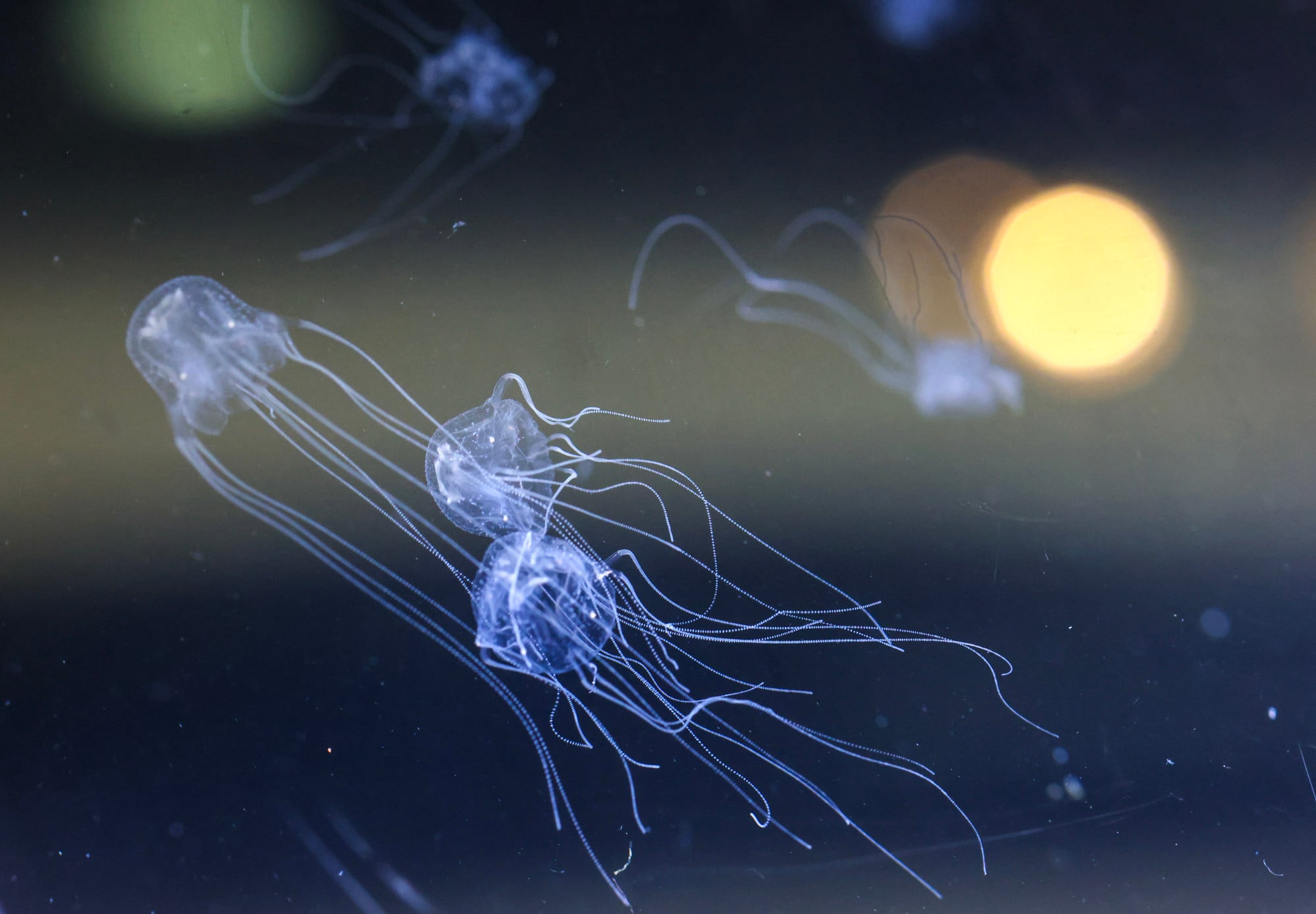
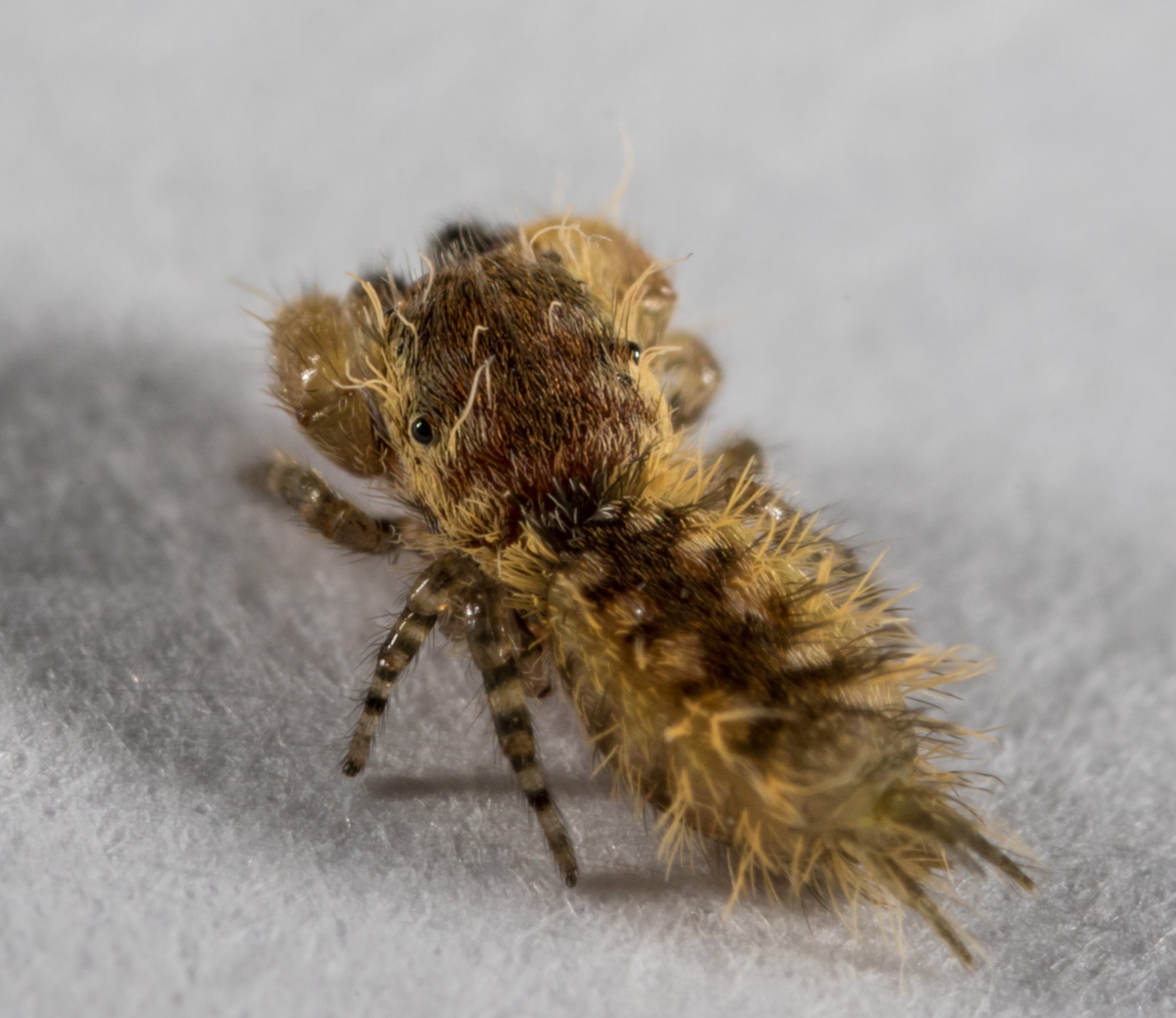
In recent years, several new species have been discovered in Hong Kong. These include two new soft coral species off Sung Kong Island, the Mai Po box jellyfish in 2023, a jumping spider in 2019, and the Hong Kong tree gecko in 2018. Ades remarked that Hong Kong’s biodiversity is richer than previously thought.
Juha Merilae, chair professor in ecology and biodiversity at the University of Hong Kong, pointed out that limited resources are allocated for monitoring population trends of most species. He credited much of the existing knowledge to records by resident scientists. However, he noted that many taxonomic groups, such as reptiles, remain poorly explored compared to birds and mammals.
Despite its small size and dense population, Hong Kong is home to over 3,300 species of vascular plants, 55 terrestrial mammals, and more than 580 bird species. However, experts warn that many vulnerable species and habitat types lack sufficient protection.
A 2025 study by 24 local ecologists found that 21 species had disappeared from Hong Kong, including the black-headed ibis. A quarter of the assessed species were at risk of local extinction, such as the Eurasian otter and the Chinese pangolin.
The Need for a Local Red List
Experts like Ades and Merilae have urged the government to create a local red list of plants and animal species requiring preservation. This list would help highlight endangered species and connect them with action plans for their protection.
The Environment and Ecology Bureau published a Hong Kong biodiversity strategy and action plan (BSAP) in 2016, with the latest version released in December outlining priority actions through 2035. Authorities first pledged to develop Hong Kong’s own red list in 2014, aiming to model it after the global IUCN red list.
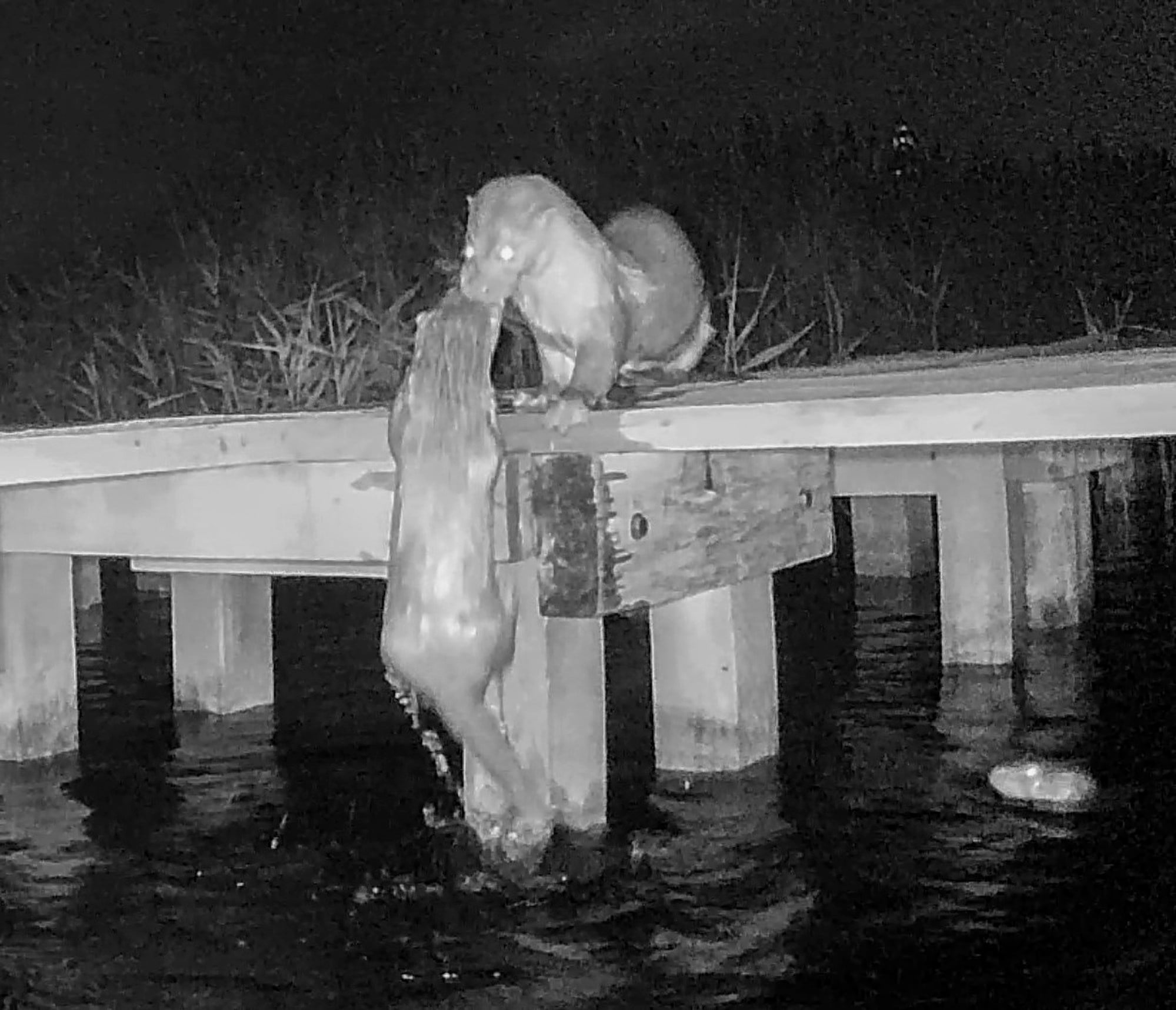
While the local list has yet to be finalized, mainland China has had its own red list since 2013, updated in 2023 to strengthen conservation efforts. Ades explained that a local red list could help identify species in need of protection, such as the Eurasian otter and crab-eating mongoose.
Merilae added that some species might be considered non-threatened globally but face specific threats in Hong Kong. For example, the king cobra is classified as “vulnerable” on the IUCN list but “endangered” on the Chinese red list.
Balancing Development and Conservation
Ades also raised concerns about the yellow-breasted bunting, a critically endangered bird species in Hong Kong. This bird relies on open farmland areas in northern Hong Kong, which are at risk due to the Northern Metropolis megaproject.
“It all comes to a balance between the needs of the species and the community in terms of development,” Ades said.
In response to inquiries, the Agricultural, Fisheries and Conservation Department stated that the first phase of the red list is currently under preparation. Additional time is needed to ensure a rigorous assessment, consensus among experts, and alignment across taxonomic groups.
The department also mentioned leveraging the environmental impact assessment process to identify and protect important habitats, ensuring that development and conservation can coexist in the Northern Metropolis project.