The fall of Yokohama’s mayor suggests the end of an era for local Japanese leaders treating staff and public funds with contempt
Yokohama’s mayor has become the latest local official in Japan to be forced from office by scandal, as analysts say voters are no longer willing to look the other way.
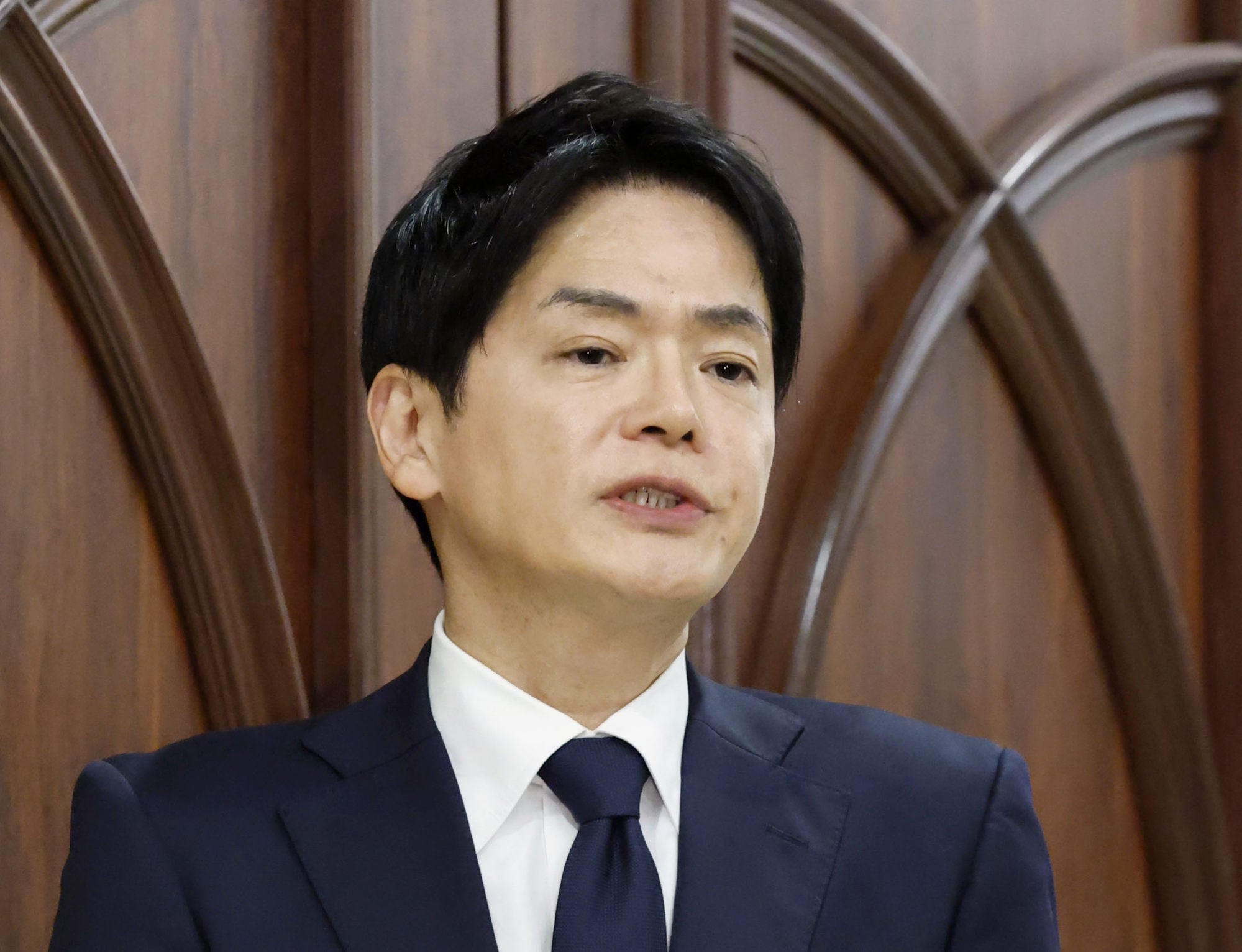
Takeharu Yamanaka reportedly called his staff “human trash” and told a senior official to “commit seppuku” (ritual suicide) if the city failed to win a bid for an international conference.
He stepped down on Friday after a prolonged investigation found he had repeatedly verbally abused city employees and humiliated subordinates.
Do you have questions about the biggest topics and trends from around the world? Get the answers with SCMP Knowledge, our new platform of curated content with explainers, FAQs, analyses and infographics brought to you by our award-winning team.
“Public attitudes have changed a lot in recent years,” said Hiromi Murakami, a political-science professor at Temple University’s Tokyo branch.
“This sort of behaviour has been going on for years in local governments, companies and organisations in Japan but there is far greater awareness about bullying now and people are less willing to tolerate it.”
Yamanaka, a former university professor who was first elected mayor in 2021 and won re-election in August last year, became the subject of an external investigation after a senior city official accused him of harassment.
The resulting report, released in late July, found that he had spent years terrorising his own staff – screaming at employees, hurling documents across desks and calling officials “useless”.
It concluded that Yamanaka had committed “serious acts of power harassment that deeply damaged employees’ dignity and worsened the workplace environment”.
By the time he faced reporters at city hall on Friday, there was little left to defend.
“I did not sufficiently consider the weight of words spoken from the position of mayor or how my words and actions would be perceived,” he said, apologising and accepting what he called the city assembly’s “severe judgment” before confirming his resignation.
Analysts say Yamanaka had no real alternative by that point. Once the report’s findings were public knowledge, the pressure became unsustainable.
“We seem to be seeing more and more cases of people elected to high positions in local governments around the country who seem to believe that they hold huge amounts of power, that they are superior to everyone else and that they cannot be touched,” Murakami said. “But it is clear that has changed.”
A familiar pattern
Yamanaka is not the first Japanese politician to be brought low by scandal.
In July last year, former Ito mayor Maki Takubo admitted she had not graduated from Toyo University as claimed on her campaign materials. She resigned within weeks and was later questioned by police after investigators found digital traces of the allegedly forged diploma on her computer.
Ex-Ginan mayor Hideo Kojima resigned in March 2024 after 99 separate allegations of sexual harassment from female city hall employees, including accusations that he had groped a colleague. His resignation press conference was tearful yet not career-ending: he ran for a town council seat afterwards and won.
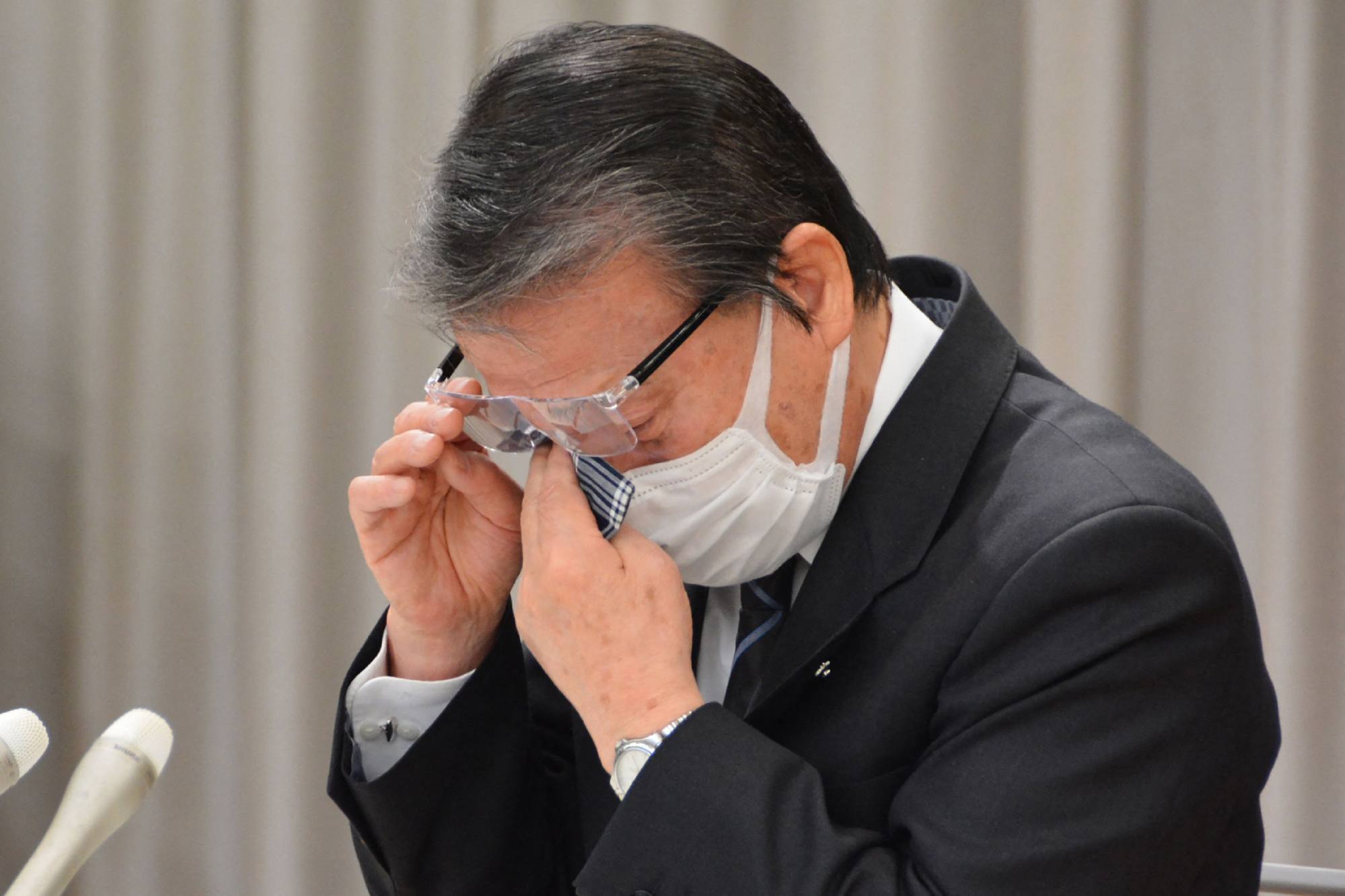
In Maebashi, Akira Ogawa was forced out as mayor in November after it emerged she had met a male subordinate at a love hotel at least 10 times, meetings she insisted were purely professional. The municipal assembly was not persuaded, forcing her resignation, yet by January this year, Ogawa had staged a comeback, winning re-election as an independent on a platform built around “atonement”.
And in Ichikawa, voters ousted Hirotami Murakoshi in March 2022 following revelations that he had spent 3.6 million yen (US$22,500) of public money on a private shower room and leased a Tesla as his official car.
Untouchable no more
For Toshimitsu Shigemura, a professor of politics at Tokyo’s Waseda University, the throughline connecting all these scandals in local Japanese politics is a culture of impunity that persisted for years.
“This is the old culture that has long been part of Japanese politics at the local level,” he said.
“These people have grown up seeing their elected representatives doing these sorts of things and nobody challenging them and the media effectively ignoring whatever they do, but suddenly that is changing.”
Money is part of the story too. With households across Japan squeezed by a prolonged cost of living crisis, voters have far less patience for officials who splash public cash on themselves or their vanity projects.
“Before, they had a lot of power and a lot of money so they felt untouchable,” Shigemura said. “But people and the media are now speaking out and they are being directly criticised.”
Murakami agreed. “It is much harder to cover it up now,” she said, adding that the string of scandals could provide an opportunity to reset the terms of public office in Japan.
“I hope that will have an impact,” she said, arguing that the added scrutiny should remind anyone seeking elected office that they ultimately answered to the people who put them there.
Yokohama’s city council announced on Monday that voters would choose Yamanaka’s successor as mayor with a special by-election on October 18.
More Articles from SCMP
In flood-hit Philippines, ‘out of touch’ Marcos slammed for private birthday serenade
Will a new insurance scheme get China’s ageing population the long-term care it needs?
US visa delays leave Chinese students stranded with ‘frozen’ plans and ‘constant anxiety’
Chile fines Chinese mafia inmate after cocaine found at maximum-security prison
This article originally appeared on the South China Morning Post (www.scmp.com), the leading news media reporting on China and Asia.
Copyright (c) 2026. South China Morning Post Publishers Ltd. All rights reserved.