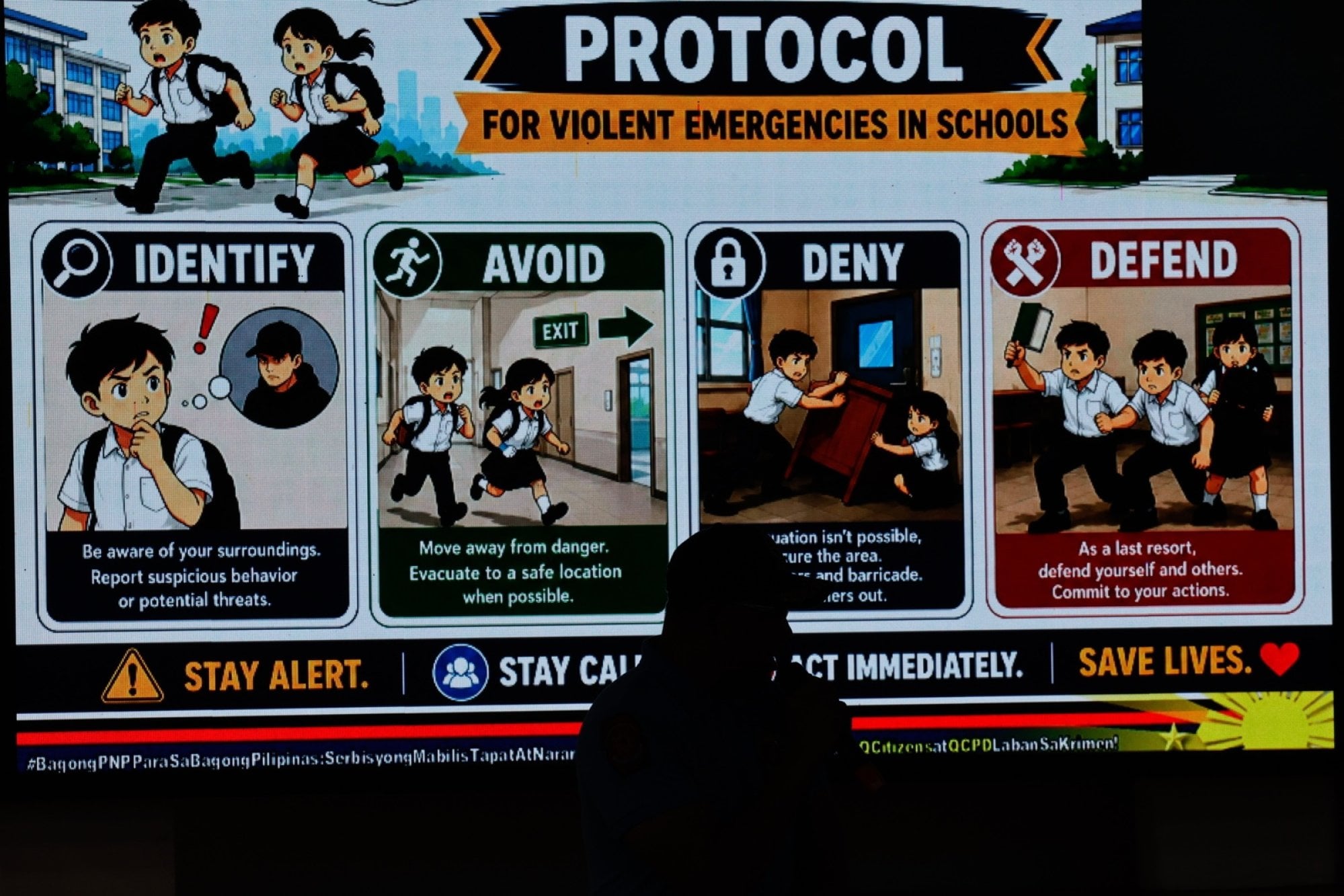
A new bill aims to establish a comprehensive safety framework, but experts say measures must target mitigating violence much earlier
As pressure mounts in the Philippines for authorities to act on strengthening school security after two fatal shootings in eight weeks, safety experts say any measure must look at mitigating violence much earlier, even before a child brings a weapon to the campus gate.
A bill pushed by lawmaker Bam Aquino will require schools to establish a comprehensive safety framework, including localised safety plans with guidelines on prevention, emergency response and recovery.
The bill also includes establishing common standards for safety infrastructure, such as the use of surveillance cameras, mandatory screening and visitor management.
Do you have questions about the biggest topics and trends from around the world? Get the answers with SCMP Knowledge, our new platform of curated content with explainers, FAQs, analyses and infographics brought to you by our award-winning team.
Aquino, who chairs the Senate Committee on Basic Education, urged immediate approval of the bill as he invoked the names of students who died in the recent school attacks, warning that no more names must be added to the list.
“We cannot accept that this will be part of a normal school life. We cannot wait for the next incident to happen before we act,” Aquino said on August 26.
The Philippines was rocked by two separate student shootings this year: first at a public high school in Tacloban City in central Philippines in June where three pupils died, and then at the Ateneo de Zamboanga Junior High School in Zamboanga City in the south that claimed two lives, including that of the perpetrator.
The bill consolidates existing proposed measures that seek to address the rise in school violence, including anti-bullying protections, mobile phone use regulations in school, digital and social media literacy, and the expansion of mental health and child protection services.
Also included are proposals to improve school-based counselling, establish safety and risk-prevention systems, and adopt a whole-of-community approach.
Other officials, such as Education Secretary Sonny Angara and Philippine National Police Chief General Jose Melencio Nartatez, have expressed their support for the bill.
‘Point of grievance’
The measure comes as public pressure mounts on lawmakers to act on the shooting incidents, as authorities continue to probe possible causes, including bullying and allegations of radicalisation through social media.
An overwhelming 93.2 per cent of Filipinos viewed school violence as a problem, while 75.8 per cent urged tighter security measures, according to a survey by independent polling firm Momentum Research conducted in August. Meanwhile, 77.2 per cent also saw bullying as a key reason behind the rise in school-related violence, the same poll found.
Authorities are also looking into potential links between social media and online gaming platforms such as Roblox as pathways for radicalisation, including alleged references to nihilistic violent extremism communities.
Analysts meanwhile have tied the rise in school shootings across the region to a possible emergence of memetic violence, marked by premeditation, attention to aesthetics, and a drive for notoriety through mass violence.
Munira Mustaffa, executive director of Chasseur Group and a senior fellow of Verve Research, said the trend appeared to be spreading across Southeast Asia, but attributed it to more of a “confluence” than a copycat problem.
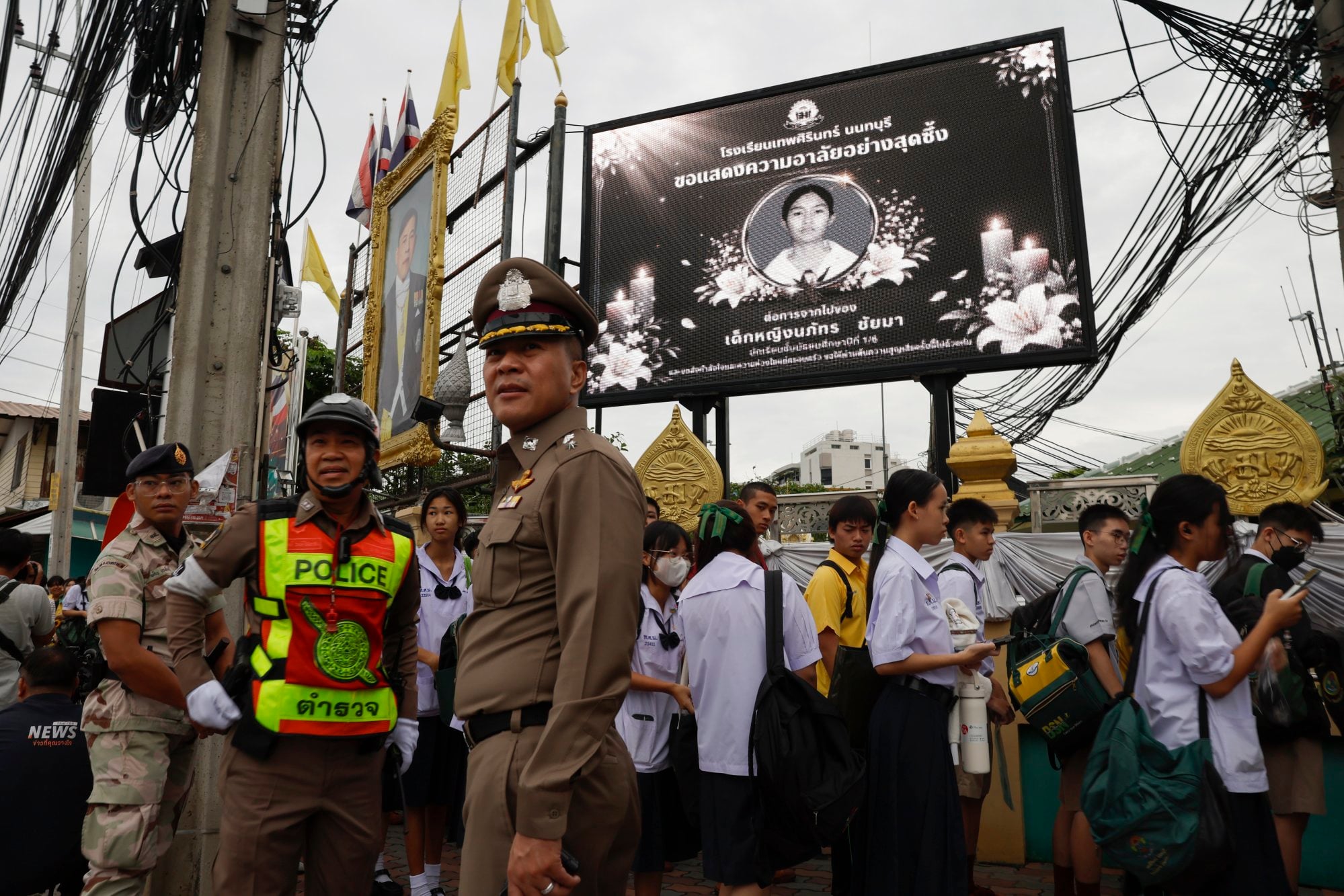
Just two weeks before the Zamboanga shooting, a student in Nonthaburi, Thailand, opened fire at his public high school, killing nine and injuring 23 others before taking his own life.
Across the region, Thailand’s cabinet declared school safety a national priority while Malaysia has faced calls to draw up a National School Safety Master Plan following a series of violent attacks.
Munira stressed that policymakers should look beyond schools, citing the attack carried out by a 14-year-old at the Siam Paragon shopping centre in Bangkok in 2023 that killed three people.
“The reason they’re attacking the school is one, because it’s the most accessible place. Two, the school is apparently their point of grievance. So what happens if they cannot access the school? Is that going to discourage them from attacking the school?” Munira said.
“We need to think not just about securitising the school […] we need to work out what’s provoking these kids to this extent.”
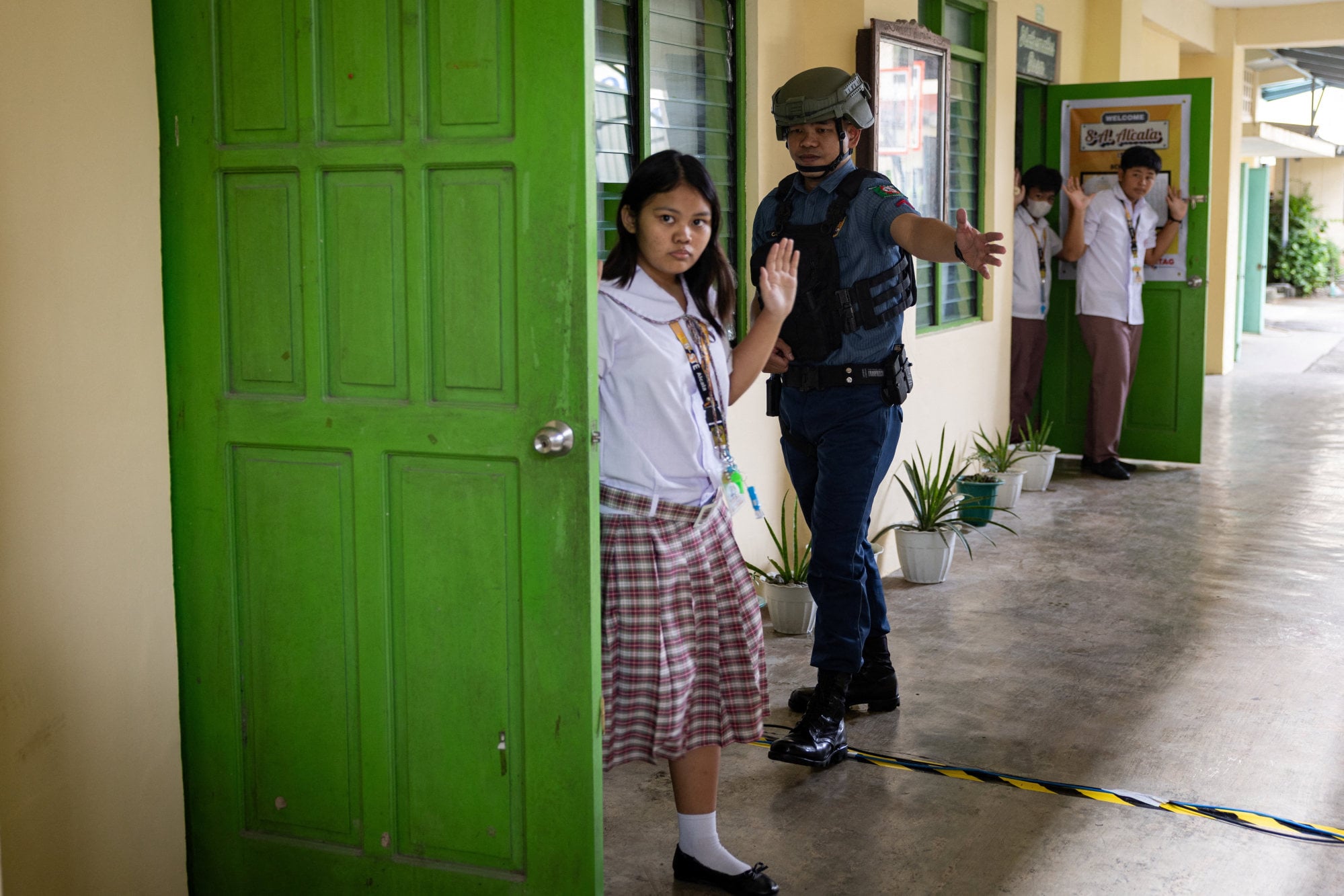
Munira cautioned against relying on measures such as metal detectors at campus gates as that would create a heightened sense of tension in the school environment and institutions might lack the resources to implement them.
Hyper-vigilant initiatives also led to security fatigue, which could cause lapses, she noted.
“I feel like it’s a wasted resource to spend on this … we shouldn’t be guarding the school at the expectation that a child is going to bring a weapon. We need to be able to identify signs that kids might act out in a very unhealthy way,” Munira said.
The analyst cited Singapore as an example of how countries could look into preventive measures and an assessment of cumulative behaviours.
In May, the city state’s authorities managed to foil a mass stabbing attempt a month before it was to be carried out, after someone raised the alarm about the suspect’s behaviour.
Child safety advocates share similar views, adding that prevention “should not begin only when someone reaches the school gate carrying a weapon”.
“By that point, several opportunities for earlier intervention may already have been missed,” said Ysrael Diloy, a child protection specialist at the non-profit Stairway Foundation’s Safeguarding, Training and Consultancy Unit.
“An effective school safety system should be able to receive concerns early, assess them appropriately and connect the child or situation to the right intervention before the risk escalates. This requires coordination among schools, families, mental-health professionals, local authorities and, where there is a credible threat, law enforcement.”
Diloy said child safeguarding included investing in early detection and intervention, but warned against automatically labelling every child showing concerning behaviour as a potential offender.
“The child may also be a child at risk who needs protection, psychosocial support, family intervention or specialised services. The objective should be to address the underlying risks and needs early enough to prevent escalation,” Diloy said.
He lamented that identifying children at risk and implementing appropriate interventions remained a challenge for many schools in the Philippines.
Beyond physical safety
Advocates have also stressed the importance of protecting both the physical and psychological safety of children in safety frameworks.
“The proposed Comprehensive School Safety Act is important because it can move us from reacting to individual tragedies towards a coordinated system for prevention, response, and recovery,” Joanna Herrera, a clinical psychologist and executive director of the non-profit organisation Circle of Hope, told This Week in Asia.
“But the law will protect children only if schools have realistic local plans, trained personnel, clear accountability, and adequate resources to implement them.”
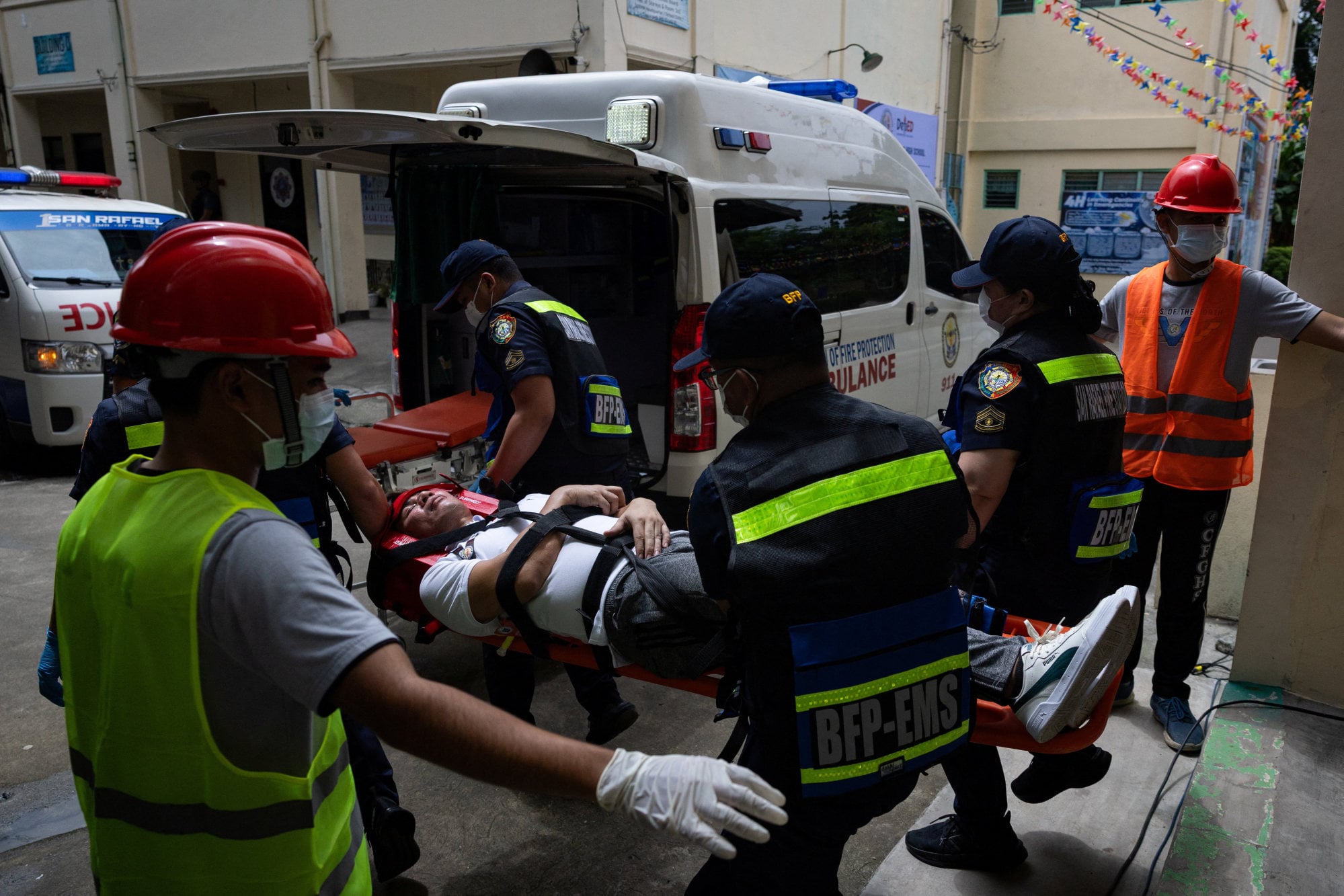
Schools must therefore coordinate with families, village officials and local governments, as well as law enforcement, health services and social welfare authorities, she added.
Herrera stressed that safety also depended on whether bullying was addressed, if children felt they belonged, and if they trusted an adult enough to disclose a threat or crisis.
She called for a layered system of prevention to be woven into daily school life, as early and coordinated intervention when distress and safety risks emerged was crucial.
This included training students, families, teachers and staff in culturally adapted mental health literacy – such as shared and non-stigmatising language for stress, mental health, and help-seeking – and educating school personnel in mental health first aid, crisis response and prevention.
Creating regulating, relationship-centred school environments through predictable routines and calm adult responses could also help children learn to make wise choices, she added.
More Articles from SCMP
Moonshot AI – creator of Kimi K3 model – has filed for Hong Kong IPO: sources
Chinese military’s AI attack chain lags foreign models: researchers
Extra funds push Taiwan’s defence spending past NT$1 trillion for the first time
Mexican foreign minister to meet Wang Yi in China as US demands trade ties rollback
This article originally appeared on the South China Morning Post (www.scmp.com), the leading news media reporting on China and Asia.
Copyright (c) 2026. South China Morning Post Publishers Ltd. All rights reserved.