
, a good place to start is by avoiding the many foods you should not eat for a healthy diet.
, a cardiologist at Mayo Clinic. “A healthy diet is rich in nuts, good vegetable oils, legumes, and whole grains, with only small amounts of animal products, except for dairy and fish.”
, a family medicine physician and professor at West Virginia University School of Medicine
, owner of Jim White Fitness and Nutrition Studios. “Adhering to a healthy diet for overall health and wellness is extremely important for the of many diseases and maintaining energy to be physically active.”
But this doesn’t mean that you have to cut out certain foods altogether. “This doesn’t mean that you can never enjoy what would be considered unhealthy foods, but understanding portion control when consuming those is key.” A tip? Eat nutrient-dense foods 75% of the time, and fill the remaining 25% of your diet with small portions of the other foods and treats you enjoy, White shares.
Ahead, check out the top foods and ingredients experts suggest limiting or removing from your diet for a healthy and balanced approach to eating.
Soda
, cavities, and gout.
Soda isn’t the only drink to watch out for though. “A slush or a frozen coffee drink could have 80 grams of sugar or more,” says Dr. Lopez-Jimenez. “That’s 20 teaspoons of sugar in a single drink!” Which of course is fine in moderation, but if you’re drinking beverages loaded with added sugar, it’s worth considering cutting it from your routine.
Raw or undercooked meat
, a radiation oncologist at Tampa Bay Radiation Oncology.
Breakfast cereals
Pouring yourself a big bowl of cereal to start each day may not be ideal if you’re concerned about your metabolic health.
, a family medicine physician and professor at West Virginia University School of Medicine. “Processed or refined flour (even those which claim to be whole-grain) have an incredibly high glycemic index which will dramatically raise blood sugar. Over time the constant high and low blood sugar can lead to disordered metabolism and eating patterns that contribute to obesity and insulin resistance.”
Processed meats
.
,” says Dr. Lopez-Jimenez. “Many of the substances used in the process to preserve meat have been shown to increase the risk for cancer, hypertension, and other health conditions.”
Alcohol
, citing that even just one drink per day can shorten your life by 2.5 months.
on the causal link between alcohol and increased cancer risk
For cancer patients, avoiding alcohol is crucial to keep the body strong during treatments. “The goal during cancer treatment is to build and maintain one’s body to best handle the taxing effect of the cancer itself and the treatments administered to fight it,” says Dr. Bhandari. “Alcohol’s role negates these goals and makes it even more difficult for the body and mind to remain balanced and on the uphill road to recovery and strength.”
Trans fats
(AHA), artificial trans fats are created when hydrogen is added to liquid vegetable oils to make them more solid.
“They have no nutritional value… Small amounts of trans fats can increase the risk for cardiovascular disease significantly,” says Dr. Lopez-Jimenez. “They usually come in the form of partially hydrogenated fats and may be present in bakery, microwave popcorn, and other foods. Frying food may convert good oils into trans fats.”
Sports drinks

While sipping sports drinks may help replenish lost electrolytes, they are often loaded with sugar just like soda and similar sweet beverages.
“Sports drinks contain a large amount of fructose which can only be metabolized by our livers and our livers have no capacity to deal with large amounts of free fructose,” says Dr. Cucuzzella. “Over time this creates a fatty liver, which is at the root of insulin resistance.”
Artificial sweeteners
may mess with your health too.
but more research is needed as it pertains to humans.”
Juice
While you may think 100% fruit juice is healthy, it may spike your blood sugar and remove one of the fruit’s greatest benefits: fiber.
“Juicing might not remove vitamins or phytochemicals, but it does remove fiber. That means you’re turning the perfect food into something more like sugary soda in terms of the biochemical effects on our metabolism,” says Dr. Klodas. “Eat the fruit/vegetable, not the juice. Or make a smoothie.”
Sugar and high fructose corn syrup
(from the Office of Disease and Health Promotion), which has set an objective to decrease sugar consumption in people over the age of two to avoid health risks such as obesity and tooth decay.
However, sugar isn’t the only sweetener you should enjoy in moderation. High fructose corn syrup is one made from cornstarch is used in many processed foods. “Experiments have shown that animals fed with high fructose corn syrup can become diabetic,” says Dr. Lopez-Jimenez. “High fructose corn syrup raises the level of sugar faster than even sugarcane. They are present in many sodas, canned drinks, and may be used in cocktails, too.”
Refined vegetable oils
Refined vegetable oils are used for repeated frying, and are often used in restaurants.
“These processed oils are damaged during the repeated heating process which can create oxidative stress in the liver and when compared to natural fats such as real butter, olive oil, and fats contained within natural plant and animal products they are the less desirable option,” says Dr. Cucuzzella.
Takeout
Ordering out from your favorite restaurant may be convenient, but your favorite dish may have poor consequences for your health.
“When you purchase ready-made food, you have far less control over portion size or how much salt, sugar and fat have been added. This can all mess with your blood pressure, cholesterol levels, and waistline,” says Dr. Klodas. “We all have time constraints and need to order out from time to time. Just make this the exception, not the rule.”
Processed white bread
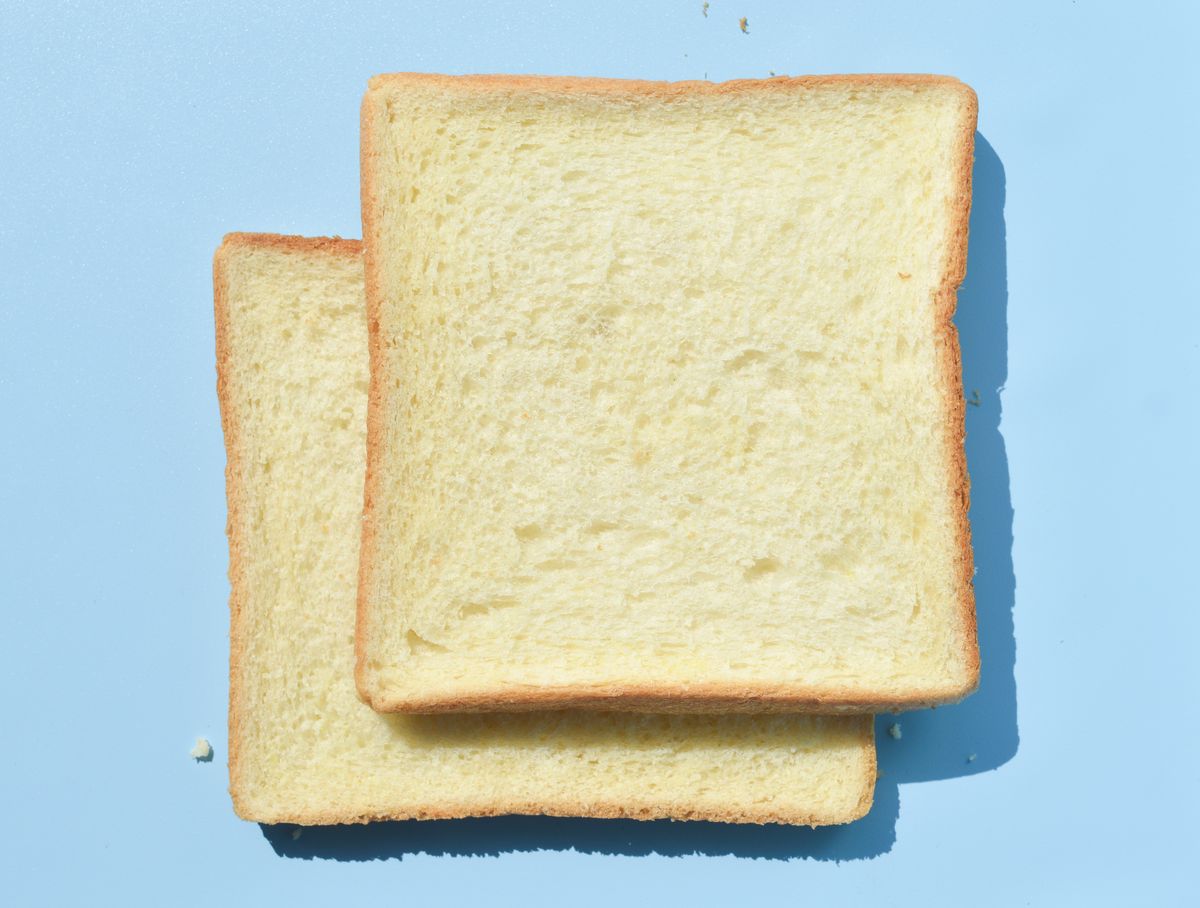
Skip the loaf of pre-sliced white bread during your next grocery trip. “There is minimal nutritional value in processed white bread (the one that comes in packages),” says Dr. Lopez-Jimenez. “They have little or no fiber, and a lot of the nutrients have been taken away by the wheat bleaching process.”
.
High-fat frozen meals
While healthy meals can be found in the freezer section of your local grocery store, it requires a bit of due diligence on your part to find nutritious options. Before adding a frozen meal to your cart, we recommend thoroughly checking the nutrition label and scanning for calories, sodium, and fat.
Frozen meals “can be detrimental to your health goals and weight management,” White says, as oftentimes they contain “high sodium and high-fat content with preservatives,” he explains. “These meals are oftentimes not fulfilling while being fairly high in calories as well which can lead to excess calorie intake.”
Donuts
Who doesn’t love a sweet treat? While snacks and desserts are fair to have in moderation, less is more when it comes to certain types of baked goods.
.
Additional reporting by Emily Shiffer
free for 14 days!


