Expansion of Rail Transit in Nepal-India Trade
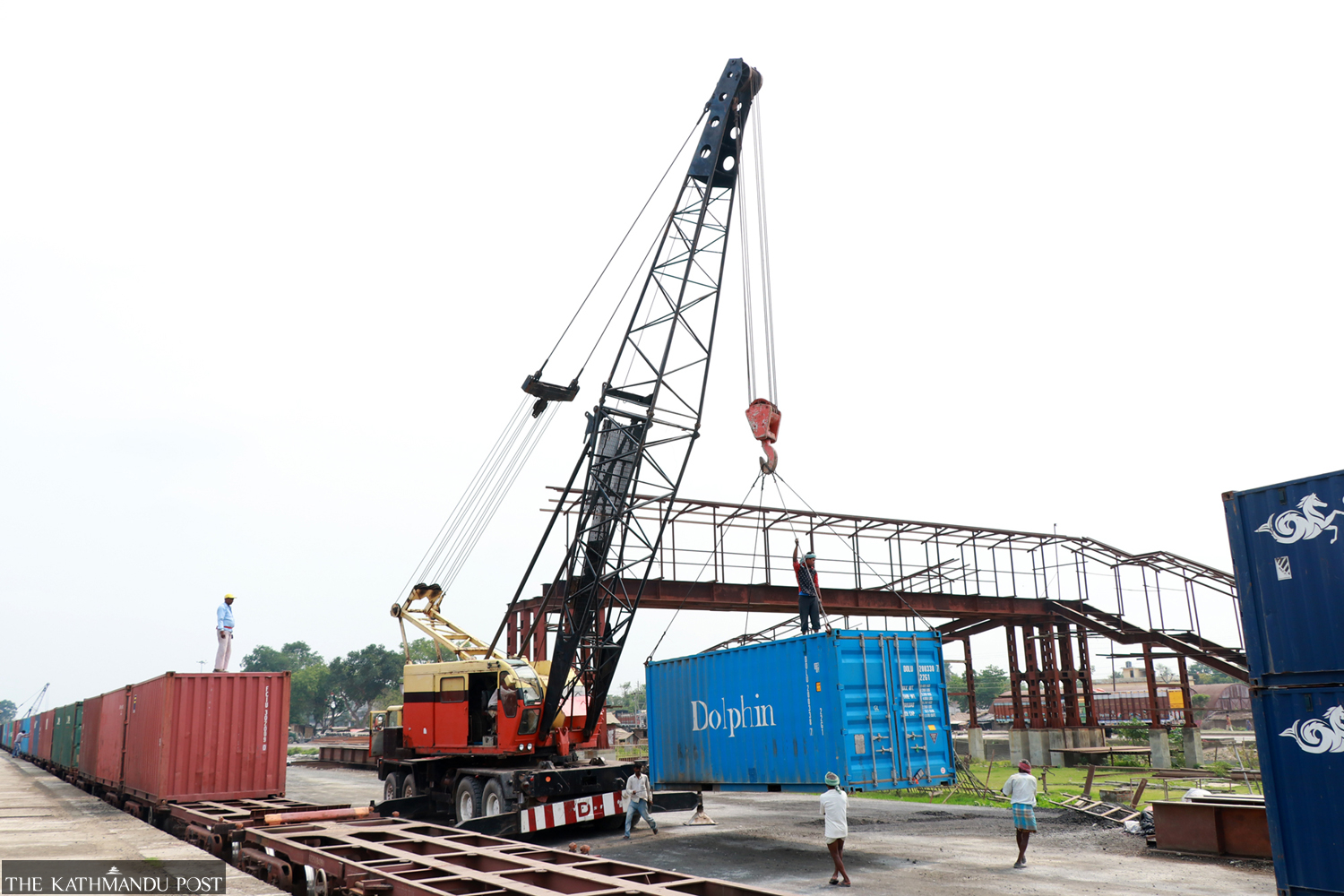
Nepal has taken a significant step forward in its trade relations with India by approving a letter of exchange that amends the protocol of the Nepal-India Transit Treaty 2023. This amendment allows the import of all types of goods—both container and bulk cargo—via rail to the Biratnagar Integrated Check Post (ICP) and Nautanawa, Sunauli near Bhairahawa. Previously, only four specific goods—coal, clinker, cement, and fertiliser—could be transported by rail through the Birgunj ICP.
The amendment was approved during a recent cabinet meeting, and the signed letter of exchange has been sent to India. Once India returns its signed version, the updated protocol will come into effect. The official from the Ministry of Industry, Commerce and Supplies explained that the original transit agreement had limited scope due to underdeveloped infrastructure at the Biratnagar ICP. Now, with the expanded protocol, all cargo trains can operate through both Biratnagar ICP and Nautanawa, marking a major logistical improvement.
This change is expected to ease pressure on the existing Birgunj ICP and reduce congestion. Factories and firms around Biratnagar will benefit from lower trade costs and faster delivery times as goods can now arrive directly via rail. Although a railway line is yet to be built up to Bhairahawa ICP, the proximity of Nautanawa, just 7 km from Bhairahawa, means western Nepal can also benefit from this new route.
Benefits and Challenges of the Amendment
Transporting goods by rail is significantly cheaper than using trucks, making it a cost-effective alternative for traders and manufacturers in the region. Trade expert Rabi Shankar Sainju welcomed the move, noting that the newly operational Biratnagar rail link had been underused due to restrictions on bulk cargo movement. He pointed out that direct transport from Visakhapatnam, India, to Biratnagar ICP could reduce costs by 15 to 20 percent. Currently, cargo arrives in Birgunj from Visakhapatnam and is then reloaded onto trucks to reach Biratnagar. Alternatively, traders transport goods from Kolkata by road, which is more expensive and time-consuming.
Sainju emphasized the importance of smoother supply chains, especially during customs delays or disruptions in one trade corridor. However, he also highlighted the need for further reforms in Nepal’s transit framework. Despite agreements on inland waterways, they have not been operationalized. Railway connections should gradually extend to other ICPs, and the private sector must be informed about these updates to use new transit routes effectively.
Suggestions for Future Development
Sainju suggested converting Janakpur’s underperforming passenger rail service into a cargo rail line, which would benefit both countries. He also raised concerns about cartels among shipping liners and called for international recognition of Nepal’s dry ports to enable direct business-to-business negotiations. This would break existing cartels and make trade more cost-effective.
India remains Nepal’s largest trade partner. According to the Department of Customs, Nepal exported goods worth Rs224.68 billion to India last fiscal year, while imports from India amounted to Rs1.07 trillion, resulting in a trade deficit of Rs846.51 billion.
During the Inter-Governmental Committee (IGC) meeting on Trade, Transit, and Cooperation to Control Unauthorised Trade held in Kathmandu in January, India agreed to conclude the letter of exchange initiated by Nepal. This paved the way for including all categories of goods in railway transport to Biratnagar and Bhairahawa. At the same meeting, Nepal reiterated its request to use the Mundra Port in Gujarat and the Dhamra Port in Odisha for third-country trade. It also sought permission to conduct import and export via the Kolkata airport. Both sides agreed to finalise letters of exchange to address changes in transit routes during emergencies or disruptions.
Historical Context and Current Status
Kolkata remains Nepal’s nearest seaport. India and Nepal first signed a Treaty of Trade and Transit in 1960, providing Nepal with transit access. The treaty is renewed periodically. India continues to provide transit facilities for almost all of Nepal’s third-country trade. The two countries have a bilateral treaty of transit that guarantees transit rights through each other’s territories via mutually agreed routes and procedures. The treaty was most recently revised in June 2023 for seven years, with an automatic renewal for another seven years thereafter.
Nepal’s third-country transit trade is primarily routed through Kolkata/Haldia and Visakhapatnam ports. Nepal’s trade with Bhutan and Bangladesh also passes through Indian territory. A letter of exchange operationalising Visakhapatnam Port was signed in February 2016 during Nepal’s prime minister’s India visit. Corresponding amendments were made in the Railway Services Agreement, enabling the flow of transit traffic between Visakhapatnam and Nepal’s Inland Container Depot in Birgunj. Since then, Visakhapatnam has served as Nepal’s essential supplementary transit facility.


