Community Celebrates Major Environmental Upgrades at Hopkins Wilderness Park
Redondo Beach recently marked a significant milestone in its commitment to environmental restoration with the groundbreaking ceremony for the long-anticipated improvements to the lower pond and stream system at Hopkins Wilderness Park. The event, held on Monday, August 25, brought together local officials, community members, and environmental advocates to celebrate the start of a project that aims to restore a vital natural habitat.
The project is part of an ongoing effort by the South Bay Parkland Conservancy (SBPC) to revitalize native ecosystems within the park. The lower pond, once a thriving area for wildlife, had fallen into disrepair over the years. Mayor Jim Light, who has been a passionate advocate for the project, emphasized the importance of restoring the area. “We used to have frogs and salamanders down here,” he said. “Once it got concreted, they didn’t like that type of environment, so they disappeared.”
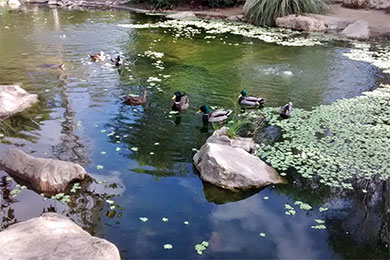
Ducks were once common at the pond, but their numbers dwindled due to predation from animals such as coyotes and raccoons. The new construction is designed to provide better protection for native wildlife, creating a more sustainable ecosystem.
A New Era for Native Habitats
The improvements will include the installation of new interpretive displays that highlight the history of the site, the importance of native plants, and the role of the park in supporting monarch butterflies. These educational tools are part of the SBPC’s broader mission to restore and maintain natural habitats across the region.
In October, the SBPC received a $40,000 grant from the U.S. Fish and Wildlife Service, which will be used to restore six acres of native coastal sage scrub. This habitat is critical for the survival of western monarch butterflies during the winter months. Coastal sage scrub has been severely impacted by factors such as climate change and urban development, making conservation efforts even more urgent.
The SBPC has been actively involved in rewilding the park since 2017, planting native vegetation and working to create a balanced ecosystem. Hopkins Wilderness Park, spanning 11 acres, is the largest park in Redondo Beach. Before it became a public recreational space in 1977, the land was used as a Nike missile site from 1956 to 1963. The federal government transferred the land to the city in 1971 for public use.
A History of Restoration and Resilience
The lower pond faced several challenges over the years. In 2021, then-Public Works Director Ted Semaan noted that the pond had become a dumping ground for garbage and unwanted pets, including tires. Water was also shut off due to drought conditions. Since the SBPC began restoring native plants in the area, the community has frequently asked about the future of the lower pond.
Mayor Light took on the project as a personal passion, convincing his friend Bill Brand to join the effort. Unfortunately, Brand passed away in February 2024 after battling lung cancer. Despite this loss, the project continues to move forward, driven by the vision of those who believed in its importance.
Brand, who helped launch the SBPC in 2004, was instrumental in shaping the design of the restored pond. He emphasized the need for between 30 and 40% native wetland plants in the water to mimic a natural ecosystem. This approach will help filter water and reduce nitrogen levels, preventing algae growth.
Currently, the upper pond is home to turtles, koi fish, and other wildlife, including occasional herons. While the city has no plans to introduce native animals to the lower pond at this time, Light believes nature will find a way to adapt and thrive.
Looking Ahead
The completion of the lower pond project is expected around Thanksgiving. It represents a major step forward in the city’s efforts to preserve and enhance its natural spaces. As the community gathers to celebrate this achievement, the focus remains on creating a sustainable environment that supports both wildlife and residents alike.
With continued support from local organizations and dedicated leaders, the future of Hopkins Wilderness Park looks promising. The project not only restores a vital habitat but also serves as a reminder of the importance of environmental stewardship in urban areas.


