The Legacy of Racial Bias in Photography
For many imaging researchers, the issue of racial bias in photography is not a new phenomenon. Even with modern cameras, it has long been observed that different skin tones are not always represented accurately. Meg Borek, an imaging scientist, explains that this problem dates back to the era of film photography. “Film was traditionally designed for lighter skin tones, and this bias has carried over into digital photography as well,” she says.
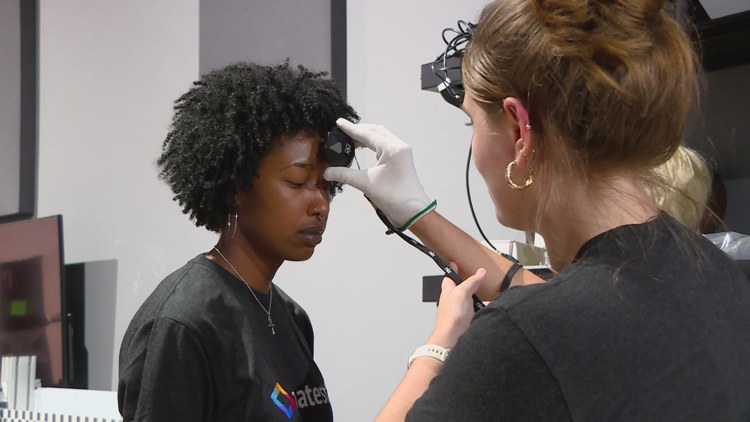
Borek is currently conducting a skin tone study at Imatest, an image-quality lab based in Boulder. This research focuses on how various skin tones appear under different lighting conditions and with different camera models. “Our role here is to create test targets for camera manufacturers and those who design cameras and their workflows,” Borek explains. “By having a standardized test target, we enable them to evaluate their cameras across a wide range of skin tones. Ideally, this will help improve the representation of different skin tones in devices like smartphones, webcams, and more.”
The study is grounded in the Monk Skin Tone Scale, developed by Dr. Ellis Monk of Harvard. “This scale aims to provide a more accurate and inclusive representation of actual skin tones,” Borek notes. Before the Monk Scale, the Fitzpatrick Scale was commonly used in skin tone studies. However, it faced criticism for its limited diversity and focus on lighter skin tones.
Dr. Monk highlights the flaws he noticed in existing skin tone measurement tools. “As a professor and researcher, I saw that some of the most widely used measures had significant issues,” he explains. “Either the tones on the scale didn’t accurately reflect the diversity of skin tones we encounter or there were too few options for people to choose from when measuring skin tones in studies.”
Monk also points to the historical use of “Shirley” cards by Kodak, which were calibration tools featuring a white woman named Shirley. “Kodak used this card as a standard, assuming that if it looked good for Shirley, it would look good for everyone,” he says. “But we now know that this approach excluded other skin tones and led to biased representations in color photography.”
Monk began developing his scale around 2019, focusing on skin tones and the inequalities they reflect in health and technology. “There’s a strong connection between skin tone and various forms of inequality, including health, wealth, and the criminal justice system,” he explains. “To clearly demonstrate these connections, we need a reliable measure of skin tone that captures the differences we see in the real world. If our measurement tools aren’t accurate, we might miss these inequalities altogether.”
Why Representation Matters in Imaging
The implications of biased imaging go beyond aesthetics. They affect how individuals are perceived and treated in society. For example, facial recognition systems have historically struggled with identifying people of color due to similar biases in data and training. This can lead to serious consequences, such as misidentification or exclusion from critical services.
In addition, the lack of diverse representation in photography can reinforce stereotypes and contribute to systemic inequities. When certain groups are consistently underrepresented or misrepresented, it can shape public perception and influence policy decisions. This is why accurate and inclusive skin tone scales are essential in both scientific research and everyday technology.
Moving Forward with Inclusive Technology
As technology continues to evolve, so must the tools and standards used to evaluate it. The work of researchers like Borek and Monk is crucial in ensuring that future imaging technologies are more equitable. By incorporating diverse skin tone scales and testing methods, developers can create products that better serve all users.
Moreover, this effort extends beyond photography. It includes areas like artificial intelligence, medical imaging, and even social media algorithms. Each of these fields relies on accurate representation to function fairly and effectively.
Ultimately, addressing racial bias in imaging is not just about improving photographs—it’s about creating a more just and inclusive society. As more researchers and companies recognize the importance of this issue, the hope is that future technologies will reflect the full spectrum of human diversity.


