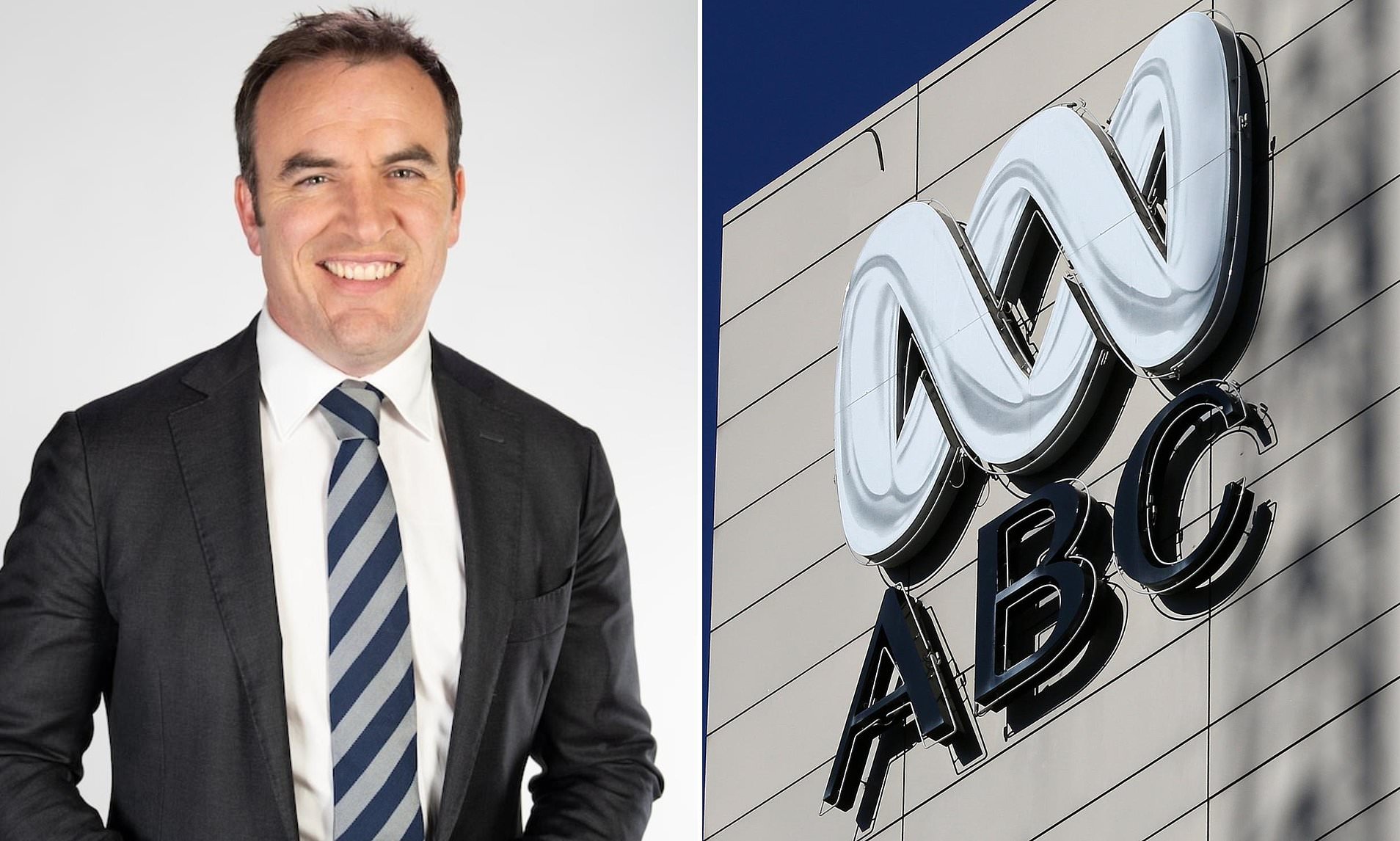
The Resignation of a High-Profile Journalist
A prominent journalist from a major public broadcaster has stepped down after allegations surfaced that he accepted a paid trip to Germany without disclosing it. This incident occurred 10 weeks after the accusations came to light, marking a significant moment in the media landscape.
Andrew Greene, who was the ABC’s defense correspondent, had been covering the activities of German manufacturer ThyssenKrupp Marine Systems (TKMS) earlier this year. His report on TKMS was part of a broader story about the company’s efforts to secure a contract to build a fleet of Australian warships. However, it was later revealed that Greene had traveled to Germany as a guest of the company while claiming to be on annual leave.
The situation came to light when Media Watch exposed the travel arrangements. Greene had not informed his superiors about the trip, and a segment featuring TKMS was broadcast, including quotes from its chief executive, Oliver Burkhard. In the report, Burkhard stated, “We know what we’re doing,” and mentioned that their competitors had never been exported in the past.
Initially, the ABC believed that Greene had obtained the audio of Burkhard’s press conference via email rather than attending in person. The segment included descriptions of shipyards in northern Germany, highlighting the increasing demand for military orders due to rising global tensions.
Once the allegations were made public, the story was removed from the ABC website. Other media outlets, such as The Sydney Morning Herald and The Age, did disclose the travel arrangements to their readers at the time. Media Watch host Linton Besser criticized Greene, stating that he had been “undone by weakness before temptation” and that the scandal would undermine trust in journalistic institutions.
Greene took a 10-week leave while the broadcaster investigated the allegations before resigning on Monday. Canberra bureau chief David Lipson addressed ABC staff in an email, emphasizing the importance of upholding editorial and other policies.
In June, the ABC acknowledged the seriousness of the Media Watch allegations, stating that if proven, Greene’s actions would be “unacceptable and could constitute misconduct.” The trip to Germany, which included a business-class return ticket, hotel stays in Hamburg and Kiel, and was funded by ThyssenKrupp Marine Systems, was estimated to be worth around $16,000.
The ABC confirmed to Daily Mail that Greene had resigned, expressing gratitude for his contributions and wishing him well. Greene had been with the ABC since 2010 and had served as the broadcaster’s defense correspondent for the last decade.
Australia’s $10 billion warship program has attracted international competition among global shipbuilders, especially since Defence Minister Richard Marles’ 2023 announcement of an ambitious naval shipbuilding program. These companies have invested heavily, even hosting foreign journalists on lavish press junkets to showcase their naval technology and promote their bids.
This incident has sparked discussions about the integrity of journalism and the potential conflicts of interest that can arise when reporters are invited on trips funded by the very organizations they cover. It also raises questions about the measures taken by media organizations to ensure transparency and accountability in their reporting.


