The Beluga Whale Sanctuary: A Promised Haven or a New Form of Captivity?
Two beluga whales, known as Little Grey and Little White, have been the focus of global attention since their rescue from a Chinese zoo. Initially celebrated for their journey to a new home in Iceland, the whales were expected to enjoy a life in an open-water sanctuary. However, after six years, their situation has sparked controversy and raised concerns about animal welfare.
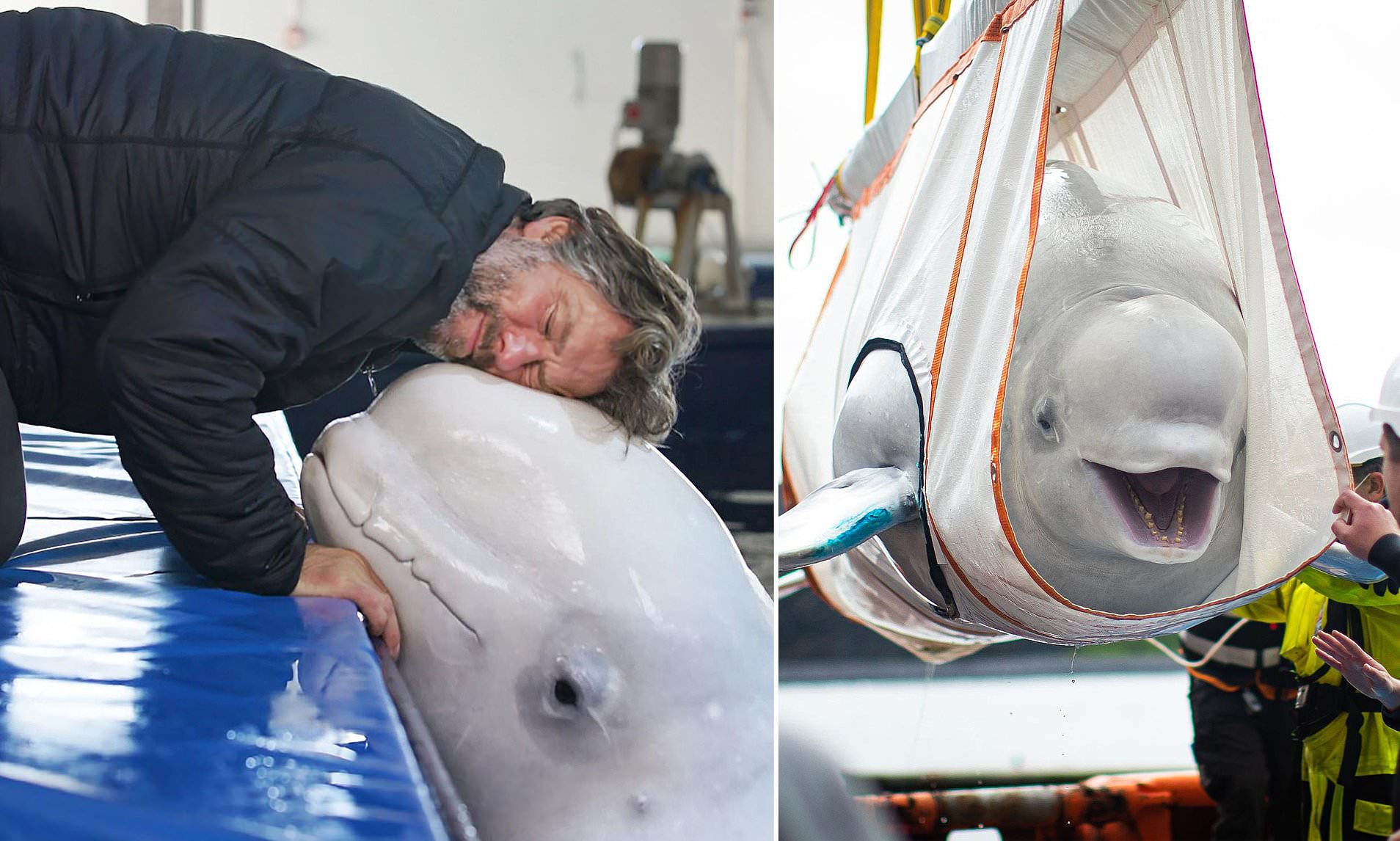
The pair was relocated 6,000 miles from China to Iceland with the support of a British charity. Their story was featured in an ITV programme titled John Bishop’s Great Whale Rescue, which highlighted the efforts to provide them with a more natural environment. The sanctuary, located in Klettsvik Bay, was marketed as a groundbreaking initiative that would allow the whales to live freely without performing for audiences.
Despite the promise of a sea sanctuary, the reality has proven more complex. Over the past six years, the whales have spent only 71 days in the open water. They are currently housed in an indoor pool that is not much larger than a typical human swimming pool. This has led to criticism from animal rights groups and concerned viewers who followed the whales’ journey.
The Beluga Whale Sanctuary, operated by the Sea Life Trust and supported by Merlin Entertainments, charges visitors at least £16 for entry. While the company owns other attractions like Madame Tussauds and Alton Towers, these sites have faced scrutiny over animal welfare practices. Meanwhile, SeaWorld, another major player in marine entertainment, has also faced backlash over its treatment of animals.
The sanctuary’s enclosure for the belugas spans nearly 32,000 square meters, but the quarantine pool where they are currently kept measures 15m x 20m and lacks access to natural light. In comparison, the average UK outdoor swimming pool is 10m x 5m. Despite these conditions, the sanctuary claims it is working to improve the whales’ living environment.
Initially, there was optimism when the whales were first allowed to swim in the sea. Their journey from China to Iceland involved a carefully planned relocation using specialized equipment, including slings and foam matting to protect them during transport. The event was covered in an ITV documentary that received widespread acclaim.
However, the project has faced setbacks. The whales were kept in a quarantine area for over a year before being introduced to the sea in 2020. They spent just 71 days there before returning to the indoor pool. Campaigners have criticized this as a failure of the sanctuary concept, with some calling it a “great whale scandal.”
Annual updates from the sanctuary have detailed challenges the whales have faced in adapting to their new environment. Little Grey required medical treatment at a landside care facility, and both whales struggled with the climate and conditions of the sea sanctuary. The latest update from the sanctuary indicated that plans are in place to gradually reintroduce the whales to the bay, but this process will take until 2026.
Critics argue that the sanctuary’s approach is flawed and that the whales are not receiving the care they deserve. Some social media comments express disappointment, with users questioning why the whales remain confined despite the initial promises. Others, however, acknowledge the efforts made by the sanctuary and express hope for the whales’ future.
Merlin Entertainments, which provided financial support for the operation, has emphasized that the sanctuary is a charitable initiative focused solely on the welfare of the whales. Graham McGrath, Managing Director at Sea Life Trust, has defended the project, stating that the whales are in a vastly improved environment compared to their previous conditions in China.
Rob Hicks, Vice President for Global Conservation at Merlin Entertainments, reiterated the company’s commitment to the whales’ well-being. He emphasized that all decisions are made with the best interests of Little Grey and Little White in mind. The sanctuary remains dedicated to ensuring the whales can eventually transition to the open-water environment.
As the project continues, the debate over the ethical treatment of captive animals remains ongoing. While the sanctuary aims to provide a better life for the belugas, questions about the effectiveness of such initiatives persist. The story of Little Grey and Little White serves as a reminder of the complexities involved in wildlife conservation and the need for transparency and accountability in animal care.


