The Rise and Fall of Amazon Fresh: A High-Tech Shopping Experiment
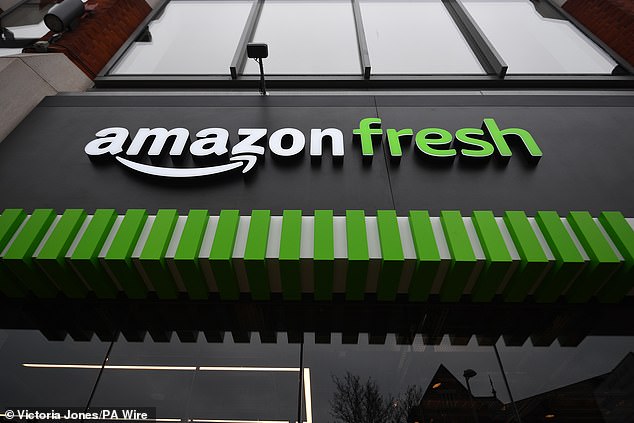
Amazon Fresh was once heralded as a groundbreaking innovation in the retail sector. The concept aimed to revolutionize how consumers shopped on the high street by integrating advanced artificial intelligence (AI) into physical stores. However, despite its ambitious goals, the UK experiment may now be remembered as a failed attempt at mass surveillance and an overreliance on technology.
In a recent announcement, Amazon confirmed that it will close all 19 of its Amazon Fresh stores in the United Kingdom. This decision puts up to 250 employees at risk and marks the end of a project that was initially seen as a game-changer for grocery shopping. While Amazon claims the closures are due to a “thorough evaluation of business operations” and the potential for growth in online delivery, critics argue that the public’s reaction to the store’s technology played a significant role in its downfall.
The Technology Behind Amazon Fresh
The core of Amazon Fresh was its “Just Walk Out” technology, which used AI-powered sensors and cameras to track customers’ purchases. Shoppers would open the Amazon app, scan a QR code, and enter the store without any need for traditional checkouts. As they picked items from the shelves, the system would automatically detect what they took and charge their account accordingly. A receipt would then be emailed to them upon exit.
However, this technology faced several challenges. One major issue was that the system often failed to recognize when customers put items back on the shelf, leading to incorrect charges. Additionally, many shoppers found the process confusing or inconvenient, especially those who were not tech-savvy or did not own smartphones. For older generations, the requirement to use an app to access a store was not only frustrating but also impractical in certain situations.
Public Reaction and Concerns
Experts have pointed out that the public’s discomfort with the level of surveillance associated with Amazon Fresh contributed significantly to its decline. Silkie Carlo, director of Big Brother Watch, described the experience as “dystopian” and raised concerns about the collection and use of personal data. She emphasized that customers should be aware of how their information is being tracked and potentially used by retailers.
Moreover, the novelty of the technology, while initially intriguing, eventually wore off. According to Professor Luca Arnaboldi from the University of Birmingham, Amazon Fresh never truly gained traction as a competitor to traditional grocery stores. Instead, it remained more of a curiosity than a practical solution for everyday shoppers.
Adjustments and Final Attempts
In an effort to improve customer engagement, Amazon made several adjustments to its UK stores in 2023. It allowed customers to enter normally without using the app and introduced contactless card payments at the exit barriers. By 2025, the company even added traditional checkouts to some locations. Despite these changes, the stores still struggled to attract enough foot traffic to remain profitable.
Professor Alan Woodward, a computer security expert at the University of Surrey, attributed the closures to UK shoppers’ reluctance to adopt the “Just Walk Out” technology. He suggested that the novelty factor was not enough to sustain interest, especially in a highly competitive retail environment.
Future Plans and Implications
While the physical Amazon Fresh stores are closing, the company has announced plans to expand its online grocery delivery services. Amazon also intends to convert five of the 19 UK stores into Whole Foods Market locations. John Boumphrey, country manager at Amazon UK, emphasized the company’s commitment to innovation and convenience, stating that it continues to invest in ways to make shopping easier for customers.
Despite the setbacks, Amazon remains a major player in the UK grocery market. Its focus on online delivery and partnerships with other retailers like Morrisons and Co-op highlights its ongoing efforts to adapt to changing consumer preferences.
Conclusion
The story of Amazon Fresh serves as a cautionary tale about the challenges of integrating cutting-edge technology into everyday life. While the concept was innovative, it ultimately failed to resonate with the public due to issues with usability, privacy concerns, and the lack of long-term appeal. As the retail landscape continues to evolve, companies must balance technological advancement with consumer needs and expectations.


