Public Outcry Over Tinted Glass Permit Enforcement
As the October 2 deadline approaches for enforcing the permit requirement for vehicles with tinted glass, a growing number of Nigerians have voiced their concerns. Many believe that this initiative will exacerbate the already difficult economic conditions faced by the general public. The Nigerian Bar Association (NBA) has stepped in to challenge the policy, arguing that it infringes on the fundamental rights of citizens.
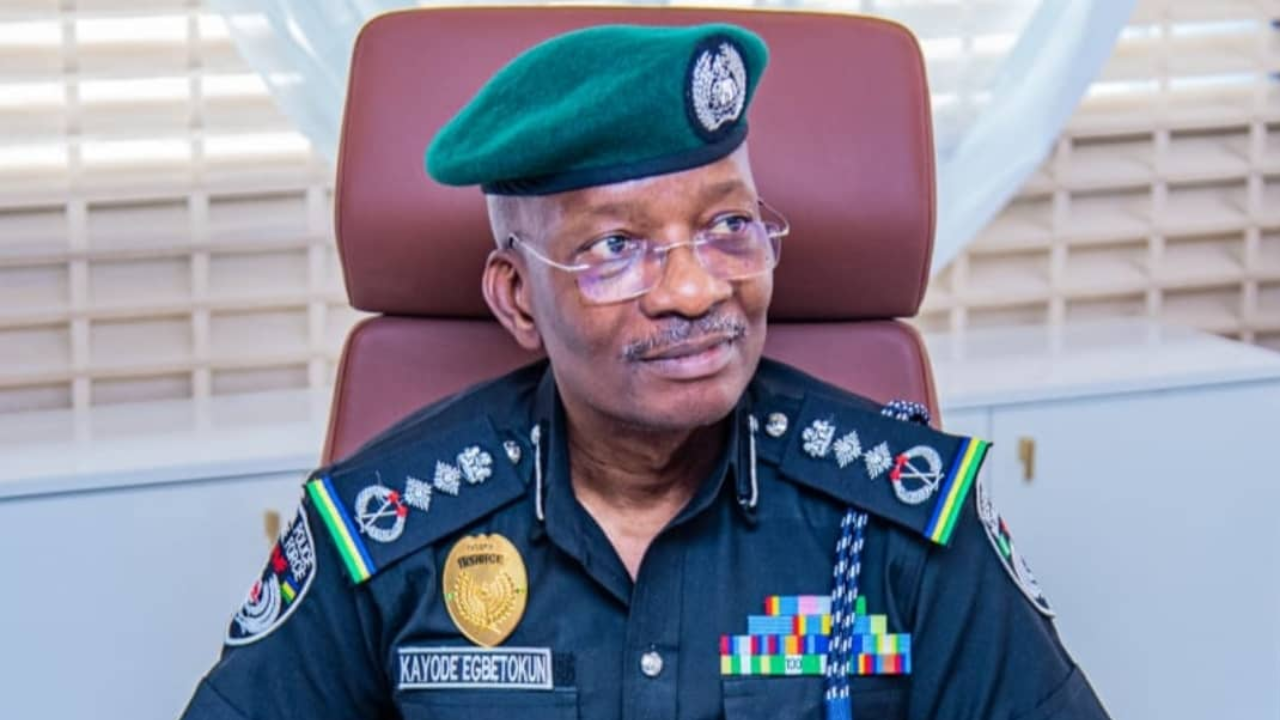
The Inspector General of Police, Kayode Egbetokun, announced an extension of the grace period from May 30 to October 2, 2025. This marks the second time the enforcement has been delayed, following its initial announcement in late April. According to Muyiwa Adejobi, the immediate past Force Public Relations Officer, the decision was made after a surge in applications through the official portal, indicating increased public compliance. The extension also aims to refine both digital and physical verification processes to ensure the integrity of the permit system and prevent abuse.
In response to the policy, the NBA filed a lawsuit at the Federal High Court, challenging the legality of the requirement. They argue that the Motor Tinted Glass (Prohibition) Act, a 1991 military decree, may not meet the constitutional standard of being “reasonably justifiable in a democratic society.” Acting through SPIDEL, the NBA initiated a public interest suit at the Federal High Court in Abuja on September 2, 2025.
Concerns from Vehicle Owners
Motorists across the country have expressed their dissatisfaction with the new regulation. Alhaji Abdullahi Mamman, a motorist in Kano, criticized the deadline, suggesting that more time should be given to secure permits, especially considering the current economic climate. He argued that the N14,200 charge is too high and called for a reduction to make the process more accessible.
Kingsley Onyia, another motorist, described the levy as arbitrary. He questioned why the government allows the importation of tinted cars into the country only to later impose additional costs on the end users. Onyia, who is also a pastor, expressed strong support for the NBA’s legal action against the police, stating that he would be ready to face any resistance if necessary.
Chief Kazeem, based in Ogun State, raised concerns about being asked to pay again for a tinted glass permit after having already obtained one when purchasing his car years ago. He emphasized that the police should not charge those who have previously acquired permits and questioned the fairness of the policy.
Police Statement on Enforcement
Despite the legal challenges, the Nigeria Police remain committed to enforcing the tinted glass permit requirement. Benjamin Hundeyin, the Force Public Relations Officer, directed correspondents to state police public relations officers for further information.
Josephine Adeh, the FCT Police Public Relations Officer, confirmed that enforcement would proceed as planned in October. She noted that the court has not yet issued a directive to suspend the process. If the court rules against the police, journalists will be informed accordingly. Adeh explained that the process is primarily online, with vehicle owners required to visit any State CID for character clearance. Renewal fees are significantly lower than the initial payment, she added.
Abdullahi Haruna, the Kano State Police Public Relations Officer, stated that the state command follows directives from the Force Headquarters. He emphasized that the position on the tinted glass permit is clear and that any changes would be communicated before enforcement begins.
Ongoing Debate
The debate over the tinted glass permit continues to spark discussions among Nigerians. While the police maintain that the initiative is aimed at enhancing road safety and preventing crime, many citizens see it as an unnecessary burden during a time of economic hardship. As the deadline approaches, the outcome of the legal challenges and the effectiveness of the enforcement measures will be closely watched.


