Fuel Crisis Escalates in Nigeria Amid Ongoing Strike
Nigeria is facing a fresh wave of fuel shortages and long queues at filling stations, triggered by a strike initiated by the Petroleum and Natural Gas Senior Staff Association of Nigeria (PENGASSAN). The protest was sparked by allegations that 800 workers were dismissed from the Dangote Petroleum Refinery. This action has led to significant disruptions across the country’s energy sector, with fears of nationwide consequences if not addressed promptly.
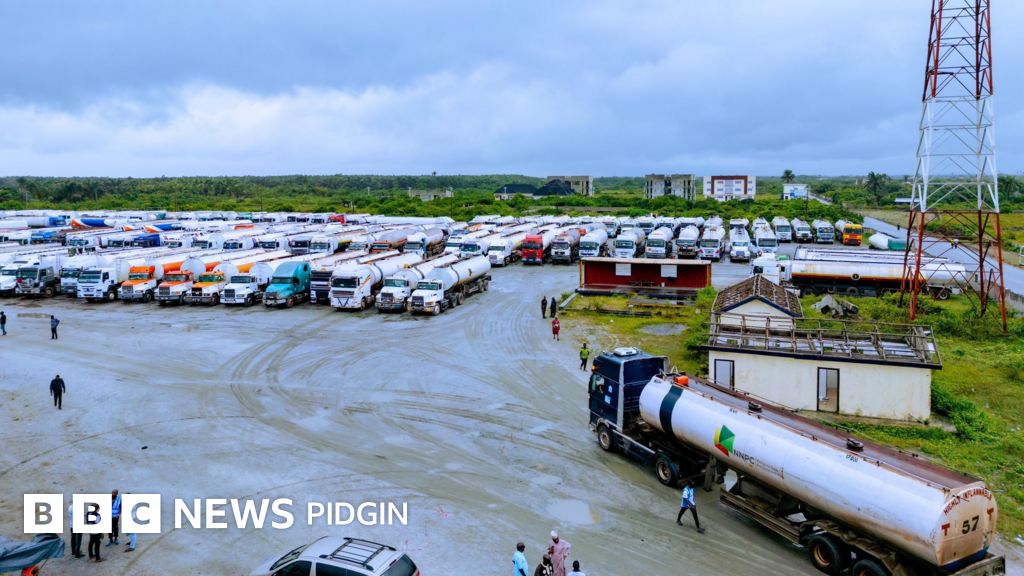
The strike, which began early this week, has caused chaos in major cities such as Abuja and Lagos. Long lines have formed at gas stations, with many motorists waiting for hours to refuel. The situation has also prompted panic buying, as people rush to fill up their tanks before supplies run out. Some have turned to the black market, where petrol is being sold at exorbitant prices—up to N1,500 per litre, far exceeding the official rate of below N900.
Social media has been flooded with complaints and frustrations from citizens. One user, Charles Anazodo, criticized the union for causing unnecessary disruption, stating that PENGASSAN claimed there was enough stock for 30 days, yet queues are now widespread. Another resident, Retson Tedheke, called the strike an “own goal,” accusing the union of harming ordinary Nigerians while unfairly targeting the Dangote Group.
PENGASSAN has defended its actions, asserting that the strike is a legitimate response to the alleged mass layoffs at the refinery. The union claims that Dangote Refinery terminated the contracts of 800 Nigerian workers who had joined the association, calling the move anti-labour and discriminatory. However, the company has denied these allegations, describing them as exaggerated and misleading. According to the refinery, the staff reductions were part of a reorganisation exercise targeting individuals accused of sabotage.
Despite the union’s assurances on national television that fuel supply would remain uninterrupted, the reality on the ground has been different. Many depots and retail outlets remained closed in solidarity with PENGASSAN, leading to further supply shortages. The union also ordered its members to halt crude oil and gas supply to the refinery while staging round-the-clock prayer vigils at field locations.
The Industrial Court recently declared PENGASSAN’s strike illegal, ordering an immediate suspension of the action due to its disruptive nature. However, the union continued its protests, maintaining pickets at key facilities and keeping operations at a standstill. This has led to further instability in the downstream market, with petrol pump prices rising sharply in various regions.
In Abuja, independent marketers are selling petrol at N910 per litre, compared to N890 at NNPC retail outlets. In Lagos, some stations have adjusted to N841 per litre, while in Abuja, the price hovers around N851. Black market operators have taken advantage of the scarcity, openly selling petrol in jerry cans at inflated prices.
Despite the disruptions, the Dangote Refinery has announced that its partners, including MRS Oil Nigeria Plc, have begun selling petrol at reduced rates in Lagos and Abuja. The company has also launched a fleet of over 1,000 compressed natural gas-powered trucks to transport products nationwide. This initiative aims to lower gantry prices to N820 per litre, with phased rollouts across several states.
The Federal Government has stepped in to mediate the conflict, engaging with both union leaders and Dangote management. Officials are concerned that the ongoing standoff could undermine efforts to stabilise fuel supply and worsen Nigeria’s economic challenges.
Industry analysts warn that while the Dangote Refinery continues to process crude and sell products, its reliance on third-party logistics makes it vulnerable to broader strikes by other unions. Local trade sources report that many depots in Lagos are struggling with low inventories, with some suspending sales due to uncertainty about future supply.
For ordinary Nigerians, the return of fuel queues is a painful reminder of years of energy insecurity. While Dangote’s direct distribution and price cuts signal potential long-term relief, the immediate impact of union strikes, depot shutdowns, and regulatory disruptions has created confusion and hardship. Transport fares in Abuja and Lagos have not yet spiked, but commuters express fear that prolonged scarcity will drive costs higher in the coming days.
This crisis highlights the fragile balance between labour rights, corporate interests, and national energy security. As mediation efforts continue, Nigerians can only hope that reason prevails quickly enough to prevent the queues from becoming a permanent feature of daily life.