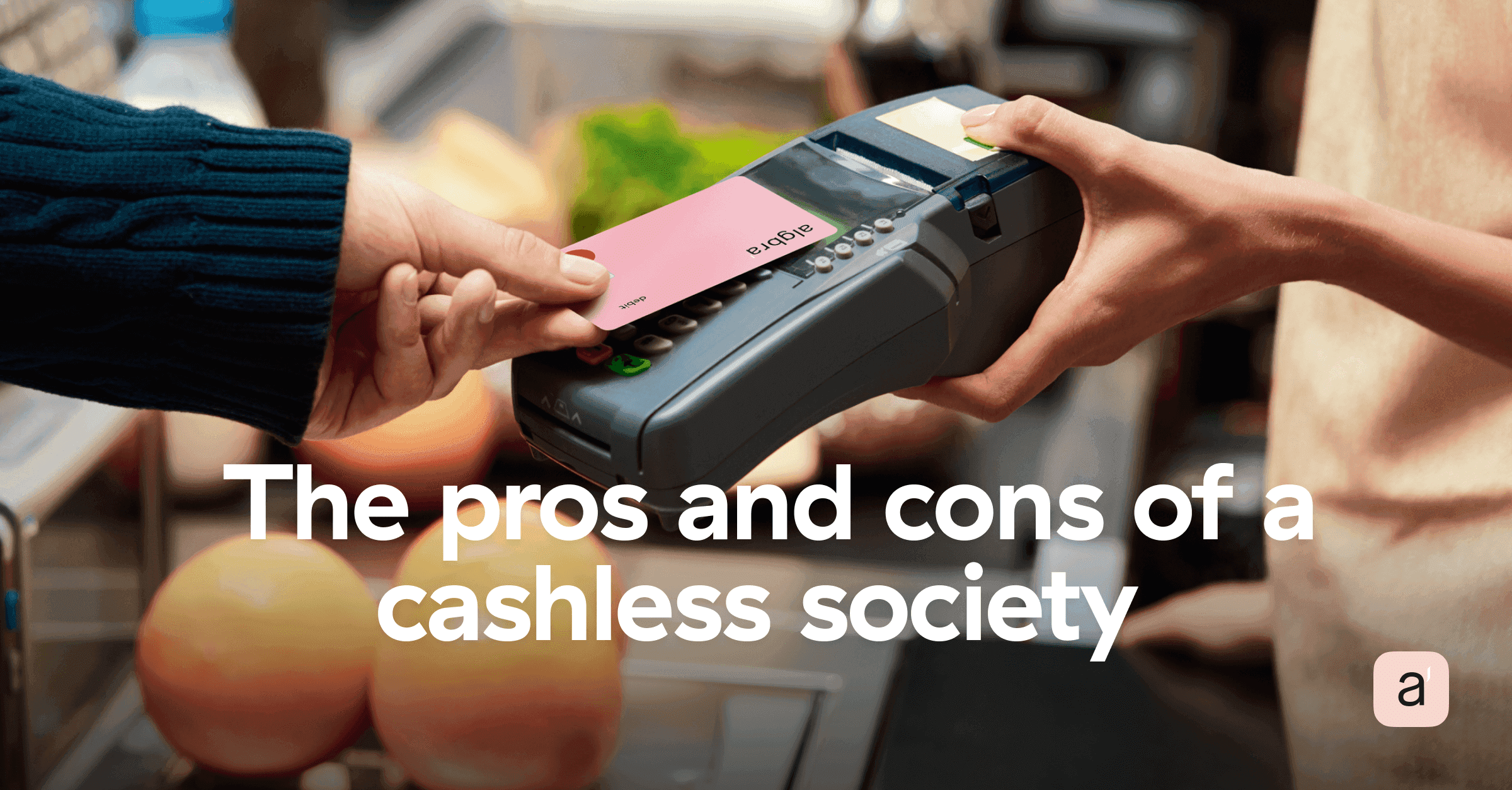
Introduction to the Cashless and Contactless Payment System
The Federal Airports Authority of Nigeria (FAAN) has officially introduced a contactless and cashless payment system, starting with the Murtala Muhammed International Airport (MMIA) in Lagos and the Nnamdi Azikiwe International Airport in Abuja. This initiative was launched during a press conference at the MMIA on Monday, marking a significant step towards modernizing airport operations.
The new system is designed to eliminate the use of physical cash across all areas of the airports, including access gates, car parks, and VIP lounges. This move aims to streamline transactions, enhance transparency, and improve the overall passenger experience.
Revenue Growth Projections
FAAN’s Managing Director, Olubunmi Kuku, highlighted the potential for substantial revenue growth through this initiative. The authority projects a 75% increase in revenue from the deployment of the new system, starting with a 50% increase during the pilot phase. As the system expands to other airports nationwide, the projected revenue increase is expected to rise further.
Kuku stated, “We project a 50 percent increase in revenue collection at this pilot stage, rising to 75 percent as we integrate more points, with the goal of tripling revenue within the first year of full implementation.”
Addressing Opaque Revenue Management
For decades, stakeholders have criticized FAAN for its opaque management of non-aeronautical revenues. These revenues come from sources outside airline operations, such as access control at toll gates in Lagos and Abuja, where over 300,000 vehicular movements are recorded monthly.
According to Daily Trust, 20 airports generated N382,149,252,045 from January to December 2024. Lagos alone accounted for 67%, followed by the Nnamdi Azikiwe International Airport at 21.3%. The revenue figures show that MMIA generated N256,067,290,722.42, while Abuja generated N81,219,777,298.42.
With the new automation system, analysts predict that revenue could exceed N500 billion from both airports.
Enhancing Transparency and Efficiency
The transition to a cashless and contactless system is intended to meet customer demands for a more transparent and efficient payment system. FAAN’s brand ambassadors will be deployed at all airport access gates to assist customers in onboarding onto the automated payment system.
Kuku emphasized that the system is designed to be electronic, traceable, and secure, which directly enhances revenue assurance capabilities. She added, “This is not just good for FAAN; it is a testament to our commitment to national development and fiscal responsibility.”
Phased Expansion Across Airports
FAAN plans to systematically expand the cashless policy to other airports in a phased manner. The Managing Director stated, “Following the successful implementation in Lagos and Abuja, we will systematically expand this cashless policy to all other airports nationwide in a phased manner.”
Director of Commercial and Business Development, Adebola Agunbiade, outlined four pillars of the new system: enhancing operational efficiency, reducing congestion and delays, improving revenue collection and accountability, and aligning FAAN with global best practices.
Agunbiade also mentioned that the target is to completely phase out cash transactions across all airports by the first quarter of 2026. The new system is expected to bring convenience, faster transactions, and reduced risk of theft for passengers.
Stakeholder Reactions and Expert Opinions
As the implementation begins, experts emphasize the need for a seamless transition without hitches. Some passengers have expressed concerns about network glitches that could cause delays at access gates.
Olumide Ohunayo, General Secretary of the Aviation Roundtable, called the initiative long overdue, noting the efforts of the minister and his team to move from manual to IT and infotech systems. He praised FAAN for taking up the position regarding tolls and believed it would be the most effective.
Group Capt. John Ojikutu raised questions about previous cashless services and the importance of accurate data tracking. He suggested checking passenger traffic figures from various authorities to ensure consistency.
Conclusion
The introduction of the cashless and contactless payment system marks a pivotal moment for FAAN, aiming to transform airport operations and boost revenue. With a focus on transparency, efficiency, and global standards, the initiative is set to redefine the travel experience in Nigeria. As the system expands, it will be crucial to address challenges and ensure a smooth transition for all stakeholders involved.


