Nigeria’s Economic Challenges and the Path Forward
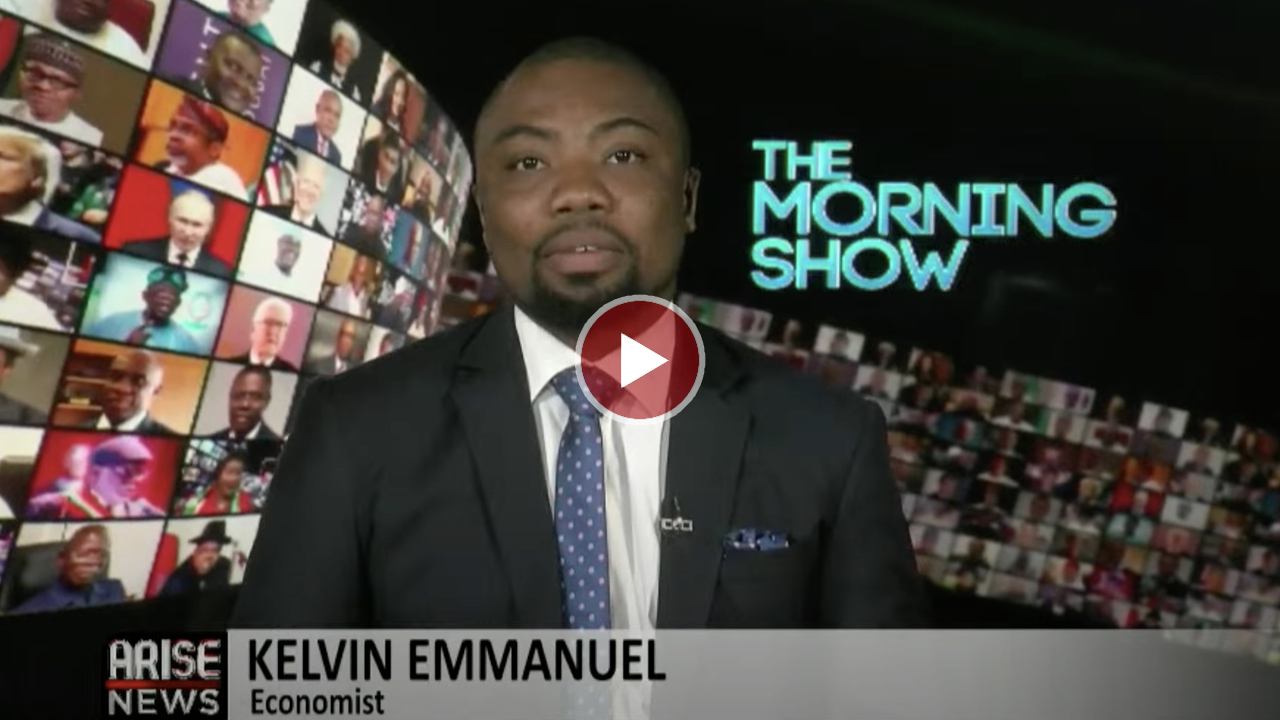
Nigeria, now 65 years old, has seen its economy face numerous challenges over the decades. Kelvin Emmanuel, economist and co-founder/CEO at Dairy Hills, provides a critical assessment of the nation’s economic performance. He points out that despite being an oil-producing country, Nigeria continues to struggle with low GDP per capita, high unemployment, and double-digit inflation. The situation is further complicated by the government operating multiple budgets simultaneously, which highlights a lack of fiscal discipline.
The current administration introduced several reforms, including the floating of the naira and the withdrawal of fuel subsidies in 2023. While these measures were necessary, they have had significant impacts on the economy. Emmanuel acknowledges that these steps were timely but questions their effectiveness in the long term. He argues that without addressing corruption and improving transparency, the reforms may not yield the desired results.
The Impact of Reforms on Businesses
The economic landscape for businesses in Nigeria remains challenging. High interest rates, often exceeding 30%, make it difficult for enterprises to access capital. Banks are not supportive of business growth, leading to a stagnant real sector. This environment makes it hard for businesses to survive, especially when the government fails to provide a clear vision for economic development.
Emmanuel also highlights the importance of distinguishing between macro and nano reforms. While macro reforms are essential for systemic change, nano reforms directly affect everyday citizens. However, the timeline for these changes can be lengthy, and without public trust, the impact may be delayed or diminished.
Monetary Policy Decisions and Inflation Concerns
The recent decision by the Central Bank of Nigeria (CBN) to cut the Monetary Policy Rate (MPR) and the Cash Reserve Ratio (CRR) has raised questions about its potential impact on businesses. Emmanuel expresses concerns about the reliability of the National Bureau of Statistics (NBS) figures used to calculate inflation. He argues that the rebasing of the Consumer Price Index (CPI) using 2019 as a reference point lacks empirical justification. The changes in the food basket and other categories have led to a distorted view of inflation, which could mislead policy decisions.
Emmanuel suggests that the CBN should allow the economic cycle to run its natural course rather than making hasty decisions based on potentially flawed data. This approach would help avoid counterproductive outcomes and ensure more accurate policy-making.
Industrial Disputes and the Role of Unions
Recent disputes involving the Dangote Refinery and trade unions highlight broader issues in the oil and gas sector. The Petroleum and Natural Gas Senior Staff Association of Nigeria (PENGASSAN) took action against the management over the sacking of 800 workers. Emmanuel views this as a management decision, noting that such actions are common globally. He emphasizes the legal processes that unions must follow before taking industrial action, suggesting that PENGASSAN and other unions have acted illegally.
The Trade Union Act and the Trade Dispute Act outline clear procedures for resolving disputes. However, unions often bypass these steps, leading to strikes and disruptions. Emmanuel believes it is time for the government to take decisive action against unions that have become unproductive and resistant to change.
Dangote Refinery and the Future of the Sector
Dangote Refinery represents a significant shift in Nigeria’s energy sector. For decades, the country has relied on imported low-quality petrol, but Dangote’s efforts have changed this dynamic. The refinery has helped stabilize petrol prices despite the challenges of importing crude oil in US dollars. Emmanuel argues that the resistance from marketers is a form of blackmail, and the government must handle the situation effectively to send a message to international investors.
He also points out that the government has spent billions on refinery maintenance without proper accountability. This lack of transparency undermines public confidence and hinders progress. The success of Dangote Refinery challenges the traditional business model, which relies on importing substandard fuel. This shift signals a potential transformation in the sector, provided the government supports such initiatives.
Conclusion
Nigeria’s economic journey over the past 65 years has been marked by both challenges and opportunities. While there have been efforts to reform and improve the economy, persistent issues such as corruption, high inflation, and poor governance continue to hinder progress. The role of unions, the effectiveness of monetary policies, and the need for transparent governance are critical factors that will determine the future of the Nigerian economy. Addressing these issues is essential for sustainable growth and development.


