The Rising Cost of Dining Out in the UK
The cost of dining out in the United Kingdom has increased dramatically over the past few years, with many popular restaurants experiencing significant price hikes. This trend has left many consumers questioning whether eating out is still an affordable luxury.
Inflation and Its Impact on the Hospitality Sector
Since 2020, the UK economy has experienced a wave of inflation, with overall prices rising by 27.7 per cent. This increase has been particularly challenging for the hospitality industry, which has seen inflation rates climb to 31.3 per cent since the pandemic. When focusing specifically on takeaway businesses, this figure rises to 35 per cent.
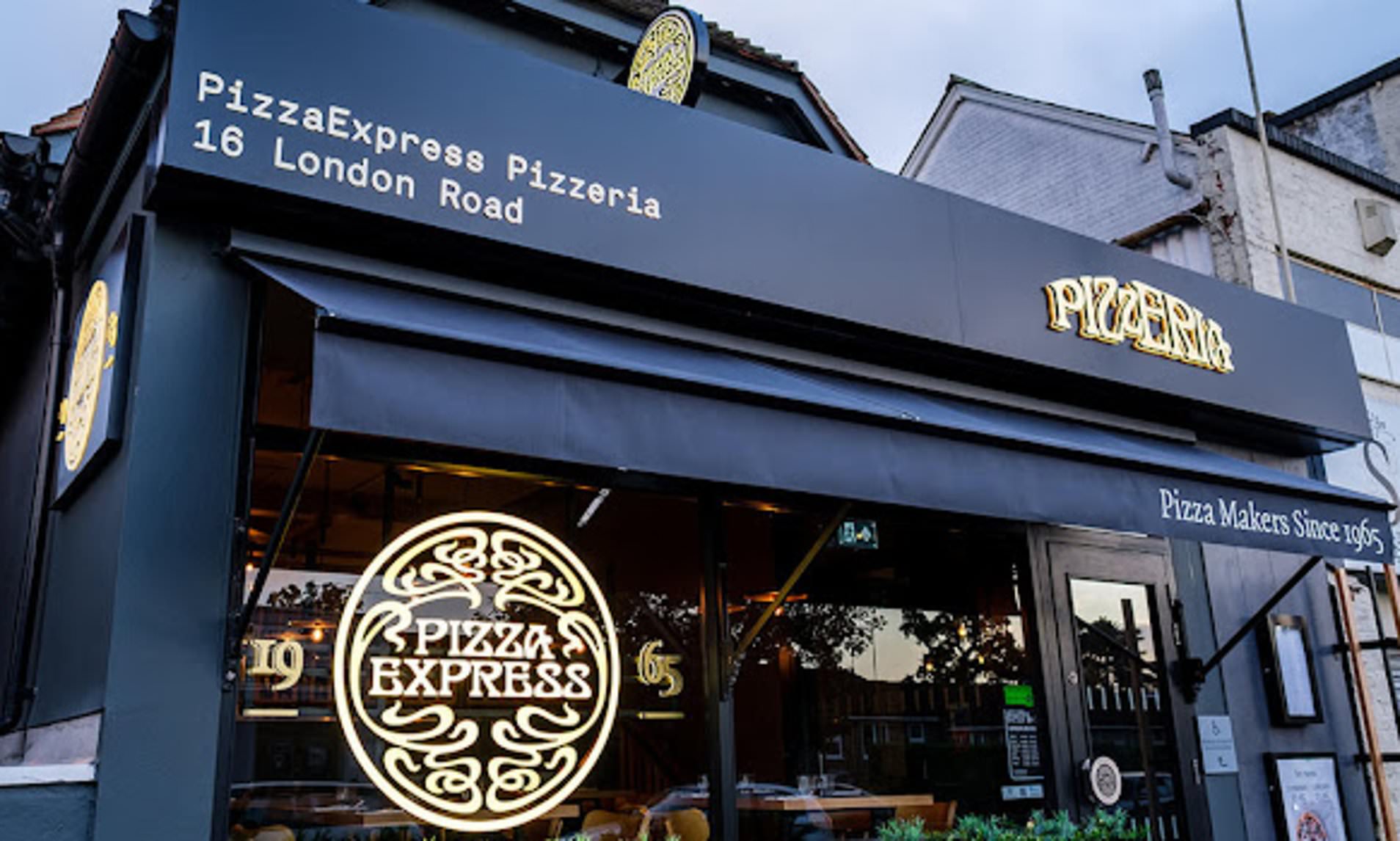
The impact of these rising costs is evident across various restaurant chains. For instance, the price of a margherita pizza at Pizza Express, which operates over 300 locations across the UK, has increased from £9.30 in 2020 to £14.45 today—a rise of over 50 per cent. This increase can be attributed to the soaring costs of ingredients such as olive oil, which has become 188 per cent more expensive than in 2020, and tomatoes and cheese, which have risen by 44 and 39 per cent respectively.

The disruptions caused by the COVID-19 pandemic and the war in Ukraine have further exacerbated these issues, leading to supply chain problems and increased prices for certain products, including vegetable oils. Food inflation reached 5.1 per cent in August, marking the first time it has exceeded 5 per cent in 18 months.
Challenges Faced by the Industry
Kate Nicholls, chair of UK Hospitality, highlighted the challenges faced by the industry over the past five years, including the pandemic, an energy crisis, record inflation, and high tax burdens. Helen Dickinson, chief executive of the British Retail Consortium, added that while food inflation has remained steady after seven consecutive months of increases, rising labour and energy costs continue to push up input prices for farmers, particularly those in cattle, dairy, and beef sectors.

These pressures are being passed on to consumers, who are finding their shopping expenses increasingly expensive. The impact of global factors and higher national insurance and wage costs is evident in the prices consumers pay for goods and services.
Price Hikes Across Popular Chains
Pizza is not the only meal that has become unaffordable. Wagamama, known for its affordable Asian cuisine, has increased the price of its yasai katsu from £10.25 in 2020 to £14.50. Nando’s, once considered a budget-friendly option, now charges £15.20 for a half chicken and two sides, a 35 per cent increase from £11.20 in 2020. Frankie and Benny’s lasagne set has also seen a significant price hike, increasing from £10.49 to £14.95.
Clive Black, chairman of Shore Capital, criticized the Labour Government for not addressing the concerns of the hospitality sector, leading to frustration among struggling consumers. He emphasized the need for government support to help businesses navigate these challenges.

Mark Richdon, a tax director at Bishop Fleming, pointed to the impact of the National Insurance Contributions (NICs) hike from 13.8 per cent to 15 per cent in April. This increase, combined with other factors, has forced many operators to reduce staffing levels and raise prices, ultimately affecting consumers.
New laws requiring businesses to take responsibility for packaging waste costs are expected to add further pressure to the industry. These changes, along with potential tax increases in the upcoming Budget, could lead to higher prices for consumers.
Adapting to a Changing Landscape
Experts predict that the hospitality industry will need to adapt to these challenges. Carlton Crabbe of Capital for Life noted that the long-term effect of inflation has made eating out a luxury for many households. Samuel Fuller, director of Financial Markets Online, observed that while restaurant prices have remained stable amid general inflation, recent months have seen a surge in price increases.

Supermarkets are benefiting from this shift, as consumers turn to them for more affordable options. Martin Newman, consumer champion, warned that the industry may become more polarized as restaurants adjust to rising costs. Premium players may thrive, while value brands fight hard on price, leaving the mid-market squeezed.
Despite the challenges, economists believe that the Labour Government can make a difference with supportive policies. Kate Nicholls called for reduced tax burdens on the hospitality sector, suggesting that lowering business rates, fixing NICs, and cutting VAT could help alleviate some of the pressure.
A spokesperson for Frankie & Benny’s emphasized their commitment to providing good value, despite the challenges posed by rising costs and wages. As the industry continues to evolve, the focus will remain on adapting to new realities and ensuring that dining out remains accessible to all.


