The Debate on Slavery Reparations for Black Britons
Sir Lenny Henry, a prominent British comedian and activist, has sparked a significant debate by suggesting that all black Britons should receive slavery reparations. In his book The Big Payback, he argues that the UK owes an unspecified amount of money to its black population due to the lingering effects of slavery. According to Henry, modern-day racism and institutionalized racism in areas like policing can be traced back to the transatlantic slave trade.
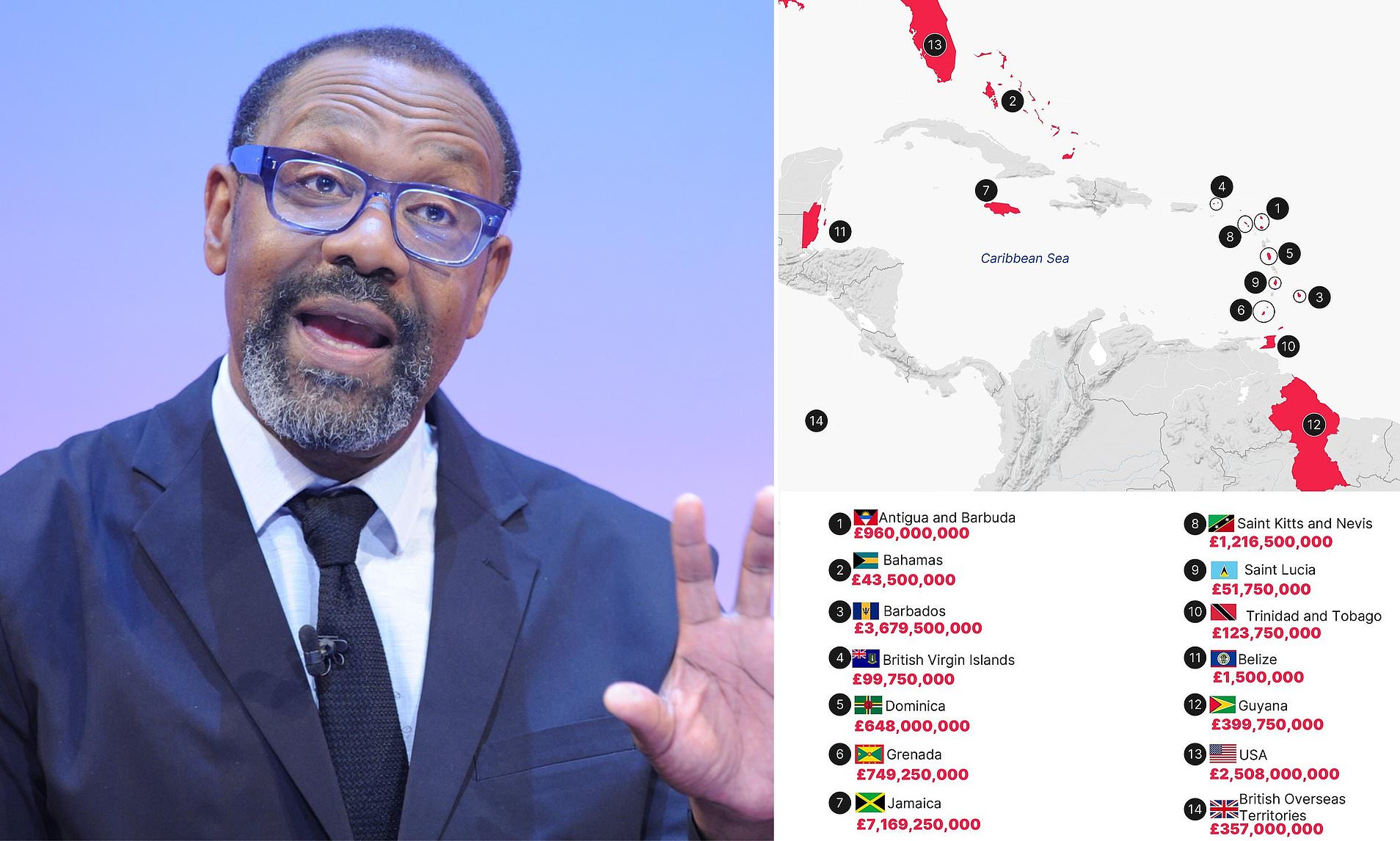
The book proposes that reparations must dismantle the foundations of Western society built on slavery and racism, creating new foundations for a more equitable future. One of the figures cited in the book is a 2023 report from the University of West Indies, which claims the UK owes over £18 trillion in slavery reparations. If this were paid over 25 years with a 2.5% interest rate, it would equate to approximately £740 billion annually.
However, the report specifically mentions that the total should be paid to 14 countries, including former Caribbean colonies, and does not include any figure for black Britons. This raises questions about the feasibility of such a claim and whether it applies directly to individuals living in the UK today.
Funding Reparations: Innovative Ideas
Henry explores various methods to generate the necessary funds for reparations. One idea is a financial transactions tax, often referred to as a “Robin Hood tax.” This would involve taxing the purchase or sale of bonds, stocks, derivatives, or foreign exchange transactions. Economist Bhavik Doshi, who researched the concept in 2023, suggested that a 1% tax on transaction values could generate up to £117 billion per day globally.
Another proposal is “repurposed financial sanctions,” where fines imposed on countries for international crimes are redirected to nations affected by slavery. This approach aims to use existing mechanisms of global finance to support reparative justice.
The Impact of Slavery on Modern Society
Henry argues that the legacy of slavery continues to shape modern issues, such as the overrepresentation of black Britons in the prison system and higher rates of unemployment. He asserts that these problems are rooted in the transatlantic slave trade and that reparations are essential to address them.
However, the book does not fully address the fact that most of the 2.4 million black people in Britain are of direct African descent, rather than descendants of those enslaved in the Caribbean. Despite this, Henry and co-author Marcus Ryder argue that the effects of slavery continue to influence contemporary racial dynamics.
Expert Opinions and Alternative Approaches
Dr. Rakib Ehsan, an independent researcher in social cohesion and race relations, suggests that focusing on reparations may not be the most productive path. Instead, he advocates for a future-oriented approach that emphasizes cooperation between the UK and Caribbean and African Commonwealth countries. He believes efforts should be directed toward practical solutions rather than dwelling on historical grievances.
Ehsan highlights the importance of equality of opportunity for diverse communities within the UK and calls for partnerships based on mutual respect and shared goals.
Historical Context and Government Stance
Britain played a central role in the transatlantic slave trade, which peaked in the 1700s. Millions of Africans were transported to British colonies in the Americas and the Caribbean, where they were forced into labor. The ships returning to the UK carried goods like sugar, tobacco, and cotton, which fueled economic growth in the country.
The Slavery Abolition Act of 1833 compensated British plantation owners for the loss of their “property” – enslaved people – but did not provide any reparation to the enslaved themselves. Enslaved people have long demanded justice, and in recent years, there have been growing calls for the UK to take measures of redress, including paying descendants and offering a formal apology.
Caricom, a group of 15 Caribbean nations, has proposed a 10-point plan for reparatory justice, including a sincere apology, psychological rehabilitation for affected populations, and debt relief. Some Labour MPs, such as Bell Ribeiro-Addy, have criticized the government for not engaging in discussions about reparations.
Government Response and Ongoing Debates
Despite these calls, the UK government has consistently maintained that it will not make cash transfers or offer an apology related to slavery. Foreign Secretary David Lammy reiterated this stance in November 2023, stating that the UK will not engage in discussions about reparations.
This position has remained consistent across successive governments, which have never formally apologized for Britain’s role in the slave trade. Prime Minister Sir Keir Starmer has also downplayed concerns about the past, emphasizing the need for the Commonwealth to focus on the future.

Legacy of Compensation and Public Backlash
In 1833, the British government paid £20 million in compensation to slave owners, which at the time represented 40% of the Treasury’s annual income. To cover this cost, the government had to take out massive loans, which were finally repaid in 2015. The public only became aware of this in 2018 when the Treasury shared a social media post highlighting how taxes had contributed to ending the slave trade.
This revelation sparked backlash, with many upset that their money had ultimately been used to compensate 46,000 slave owners.

Conclusion
The debate over slavery reparations for black Britons remains complex and contentious. While some argue for reparations as a means of addressing historical injustices, others believe the focus should be on building a more equitable future. As discussions continue, the question of how to reconcile the past with the present remains a critical issue for the UK and its global relationships.


