The Aftermath of the 9/8 Protests in Nepal
Nepal witnessed a dramatic shift in its political landscape following the protests that began on September 8. A month has passed since the events that led to the loss of at least 19 lives due to police firing. Initially, the protest was a peaceful demonstration against a ban on social media, but it quickly escalated into a chaotic situation involving arson, vandalism, and widespread unrest. This period of turmoil has come to be known as the “Gen Z” protest, a term that appears to absolve participants of their actions.
The initial goals of the protest included the ousting of the government, the suspension of the constitution, the formation of a government in consultation with the Nepal Army, and the dissolution of parliament. However, the aftermath of these events saw a significant loss of life, destruction of property, and a complete breakdown of governance. It is essential to consider the moral responsibility of those who initiated the protests for the subsequent violence and chaos.
The protests were not merely spontaneous; they appeared to have been orchestrated by “vested interests.” The choice of the name “Gen Z” seems to be an attempt to frame the events as a youthful movement, linking youthfulness with innocence. This narrative may have influenced public perception, portraying the excesses of the mob as mere inexperience rather than deliberate acts of violence.
If naming is necessary, perhaps the 36-hour urban uprising could be more accurately referred to as the “Fall Protests, 2025,” reflecting both the season and the impact it had on the country’s political structure. The name that fits the group that initiated the campaign against the social media ban through social media is “Gen T” or the TikTok Generation. This cohort prides itself on having a shorter attention span than previous generations.
The Rise of Sudan Gurung
During the recent Dashain festival in Kathmandu, Sudan Gurung, often referred to as SG, emerged as a prominent figure. He became the face of the Gen T protests, representing a movement that initially lacked a leader but soon required coordination and representation. SG’s journey from a volunteer distributing water to protesters to a key negotiator with the army highlights his strategic positioning within the movement.
A poll on Discord, which reflects the digital legitimacy of the Gen T movement, propelled SG into the role of chief negotiator during the height of the confrontation. His image as an activist, agitator, celebrity, and civic organizer embodies the aspirations and contradictions of a digitally connected generation.
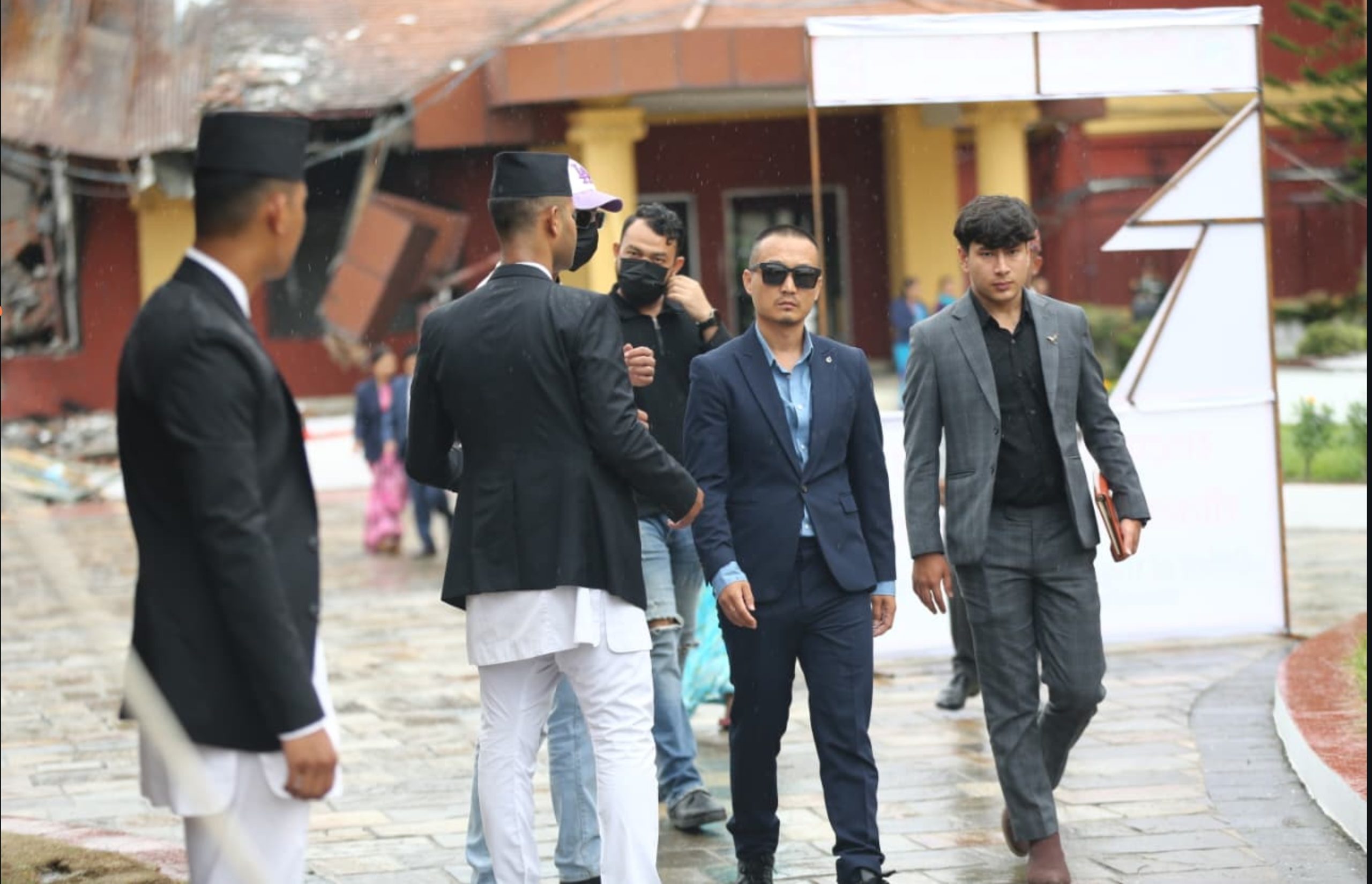
SG’s proximity to the interim political establishment has added complexity to his profile. His appearance at the President’s tea reception on Constitution Day drew both attention and criticism. While some viewed it as a gesture of engagement, others saw it as a sign of co-option. His demands for accountability and systemic reform, though sometimes impractical, kept him in the headlines.
The international media found in SG a convenient symbol—a photogenic youth articulating the aspirations of a digitally mobilized generation demanding transparency and voice. As coverage expanded, so did his reach, transforming him into a new form of political capital.
The Politics of Attention Economy
SG exemplifies the logic of the attention economy, understanding that visibility equates to power in a world ruled by algorithms. Each public gesture becomes part of a deliberate choreography of meaning, converting fleeting moments into enduring images. The more his critics question his motives, the more his name circulates, reinforcing his symbolic centrality.
Whether high visibility translates into lasting leadership remains uncertain. However, SG’s ascent illustrates a broader transformation: In the age of the attention economy, influence is no longer bestowed by hierarchy or ideology but seized through narrative control and digital resonance.
The politics of the attention economy comes with several pitfalls. First, the “information bubble” effect inherent to algorithmic media reinforces confirmation bias. Second, “participatory disinformation” emerges, where users circulate malicious falsehoods for partisan objectives. Third, and perhaps the most dangerous, everything and everyone becomes suspect as post-truth becomes the only reality for a post-literate society.
Paradoxically, the analogic version of the participatory disinformation model was perfected by the trio that must bear the brunt of digital activism. Sharma Oli revelled in motivated falsehoods. Sher Bahadur Deuba lived in an information bubble. Pushpa Kamal Dahal drowned in post-truth ideology. After decades of manipulative politics, their collective downfall was inevitable. The comeuppance was fated.


