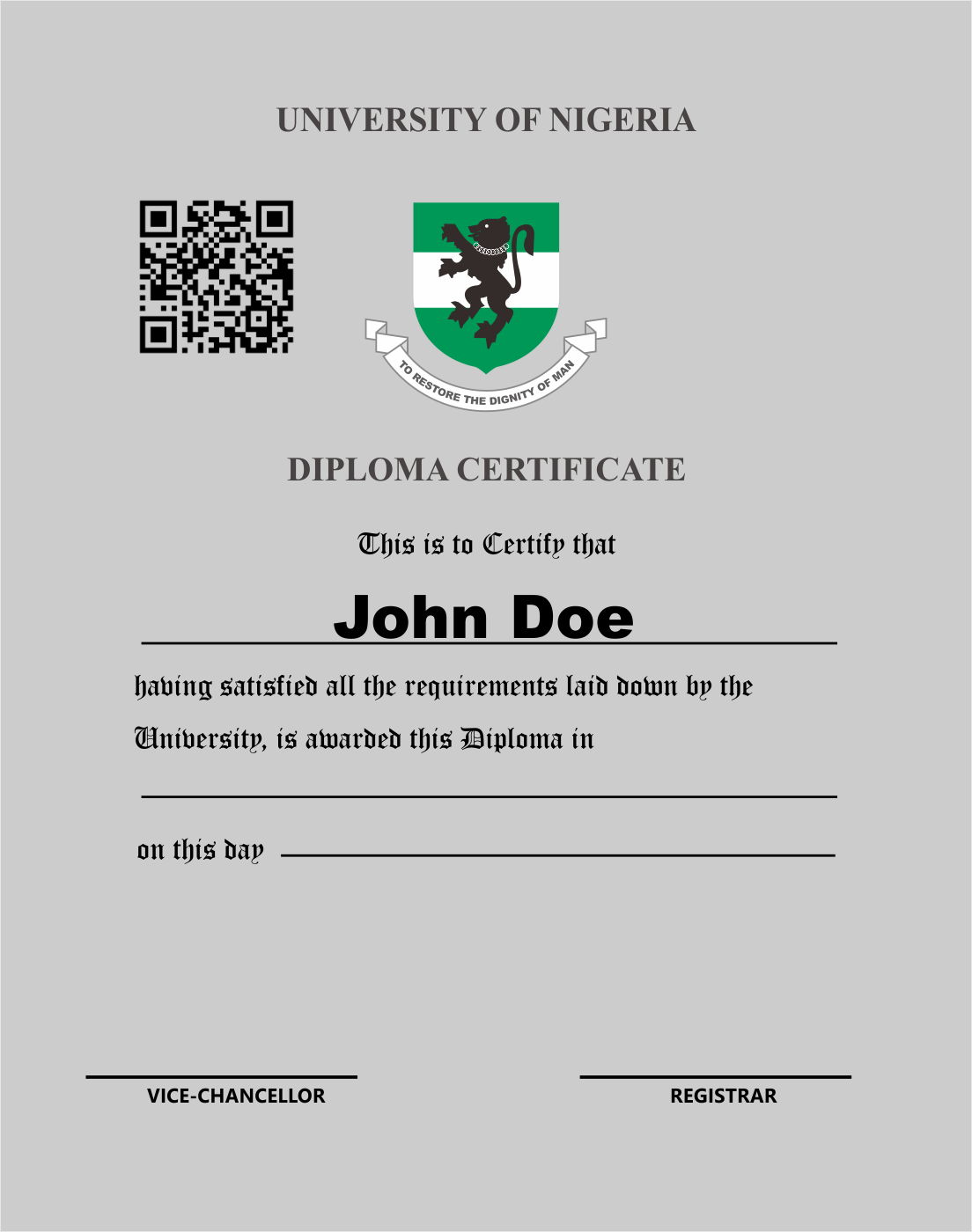
The Uche Nnaji Controversy: A Case of Alleged Forgery and Institutional Integrity
Uche Nnaji, the current Minister of Innovation, Science and Technology in Nigeria, has found himself at the center of a significant controversy. His claims of having graduated from the University of Nigeria Nsukka (UNN) with a B.Sc degree in Biochemistry/Microbiology in July 1985 have come under intense scrutiny. These claims were made during his Senate screening and subsequent swearing-in as Minister. Additionally, he is accused of forging his NYSC certificate, which he included in his official documents.
This situation echoes a similar case involving former Finance Minister Kemi Adeosun, who was forced to resign after allegations of presenting a forged NYSC certificate. In Nigeria, forgery, fraud, and perjury are serious offenses, outlined in Sections 362(a) and 366 of the Penal Code, Section 135 (1) of the Evidence Act (2011), and Section 467 of the Criminal Code. However, these charges must be specifically pleaded and proven beyond reasonable doubt, as highlighted in cases such as APC & Anor v. Obaseki & Ors (2021) and Maigida Kuzalo vs. Bank of Agriculture (2025). Perjury, punishable by up to 14 years in prison or life imprisonment, is equally severe.
The allegations against Nnaji raise both legal and moral concerns. Critics argue that he should be relieved of his position, citing the precedent set by Adeosun’s resignation. Investigative journalists from Premium Times, People Gazette, and Sahara Reporters have been actively pursuing this issue for two years, even reaching out to UNN for clarifications.
The Role of the University of Nigeria Nsukka (UNN)
UNN, established in October 1960, is known as the first indigenous and autonomous university in Nigeria. It has produced generations of graduates who have excelled in various fields. However, the handling of the Uche Nnaji case has raised questions about the university’s integrity. The university has provided conflicting responses regarding Nnaji’s graduation status, which has led to public embarrassment for all UNN alumni.
In a letter dated December 31, 2023, UNN admitted that Nnaji graduated with a Second Class (Hons) Lower Division in Biochemistry/Microbiology. However, another response from the Vice Chancellor, Professor Simon Ortuanya, stated that Nnaji never completed his studies. This inconsistency has sparked further scrutiny. Nnaji later attempted to block the release of his academic records, but the court declined his request.
This situation highlights a broader issue within the Nigerian education system. The lines between town and gown have become blurred, and institutions like UNN are expected to uphold their reputations. The university owes its graduates and the public a clear explanation.
The Broader Implications for Nigerian Society
The controversy surrounding Nnaji also reflects deeper issues within Nigerian society. There is a growing obsession with paper qualifications and titles. Politicians often exaggerate their educational backgrounds, and even everyday citizens adopt grandiose titles. This trend raises questions about the value placed on education and the pursuit of power.
Despite the emphasis on formal education, the Nigerian Constitution does not require a university degree for high office. For example, the 1999 Constitution states that a presidential candidate only needs to have a School Certificate level of education. This flexibility underscores the importance of practical ability over academic credentials.
However, the case of Uche Nnaji illustrates the dangers of false claims. He should not have presented credentials he could not substantiate. While he may be more qualified than others, his actions have led to significant scrutiny.
Political Dynamics and Public Perception
Nigeria’s political landscape is complex, and the Nnaji controversy is no exception. He may face challenges in maintaining his position, but it remains to be seen if he will be removed. In some countries, such allegations would be enough to force resignation, but in Nigeria, political dynamics often overshadow legal and moral considerations.
Critics have raised several compelling questions about Nnaji’s claims. For instance, how can someone who supposedly graduated in July 1985 claim to have started his NYSC in April 1985? There are also discrepancies in his NYSC certificate, including a non-existent director’s name. These inconsistencies suggest that his documents may be fraudulent.
The broader question is how many other individuals in high positions have submitted false documents. This issue points to a systemic problem in Nigeria’s leadership recruitment process. Security agencies are supposed to vet nominees for high positions, but they have failed in cases like Nnaji’s and Adeosun’s.
Conclusion
The Uche Nnaji controversy highlights the need for greater transparency and accountability in Nigerian politics. While the legal and moral implications are significant, the broader societal issues of education, titles, and leadership must also be addressed. As the media and investigative journalists continue to scrutinize these matters, the public awaits a resolution that upholds the integrity of both individuals and institutions.


