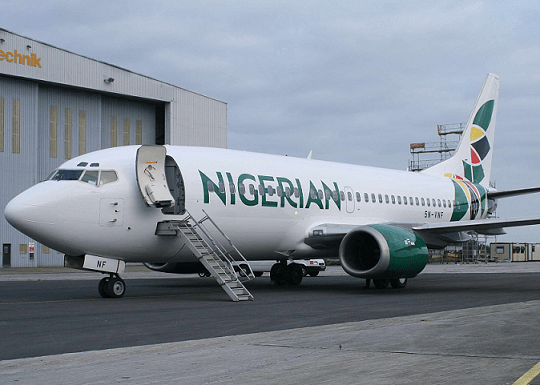
The Broken Promise of Air Travel in Nigeria
Air travel is meant to be a reliable and efficient mode of transportation, designed to save time, connect cities seamlessly, and offer convenience for business, family, and leisure. In many countries, airlines go to great lengths to maintain this reputation, understanding that time is valuable and the passenger is at the center of their operations. However, in Nigeria, the opposite seems to be true. Nigerian airlines have mastered the art of disrupting passengers’ schedules without remorse, often using a single, vague line: “due to operational reasons.”
This one-sentence excuse has become the standard justification for an industry-wide culture of irresponsibility. Domestic flights are frequently delayed for hours, cancelled at will, or rescheduled to the next day, all communicated via cold, impersonal emails or text messages. Some airlines have even become so indifferent that apologies are no longer considered necessary. This is not just poor customer service; it is a blatant disregard for human dignity.
In no other country I have visited is such a practice so rampant. Airlines elsewhere may cancel flights, but they do so sparingly, with transparency, and with clear remedies for affected passengers. In Nigeria, however, the cancellation or rescheduling of flights has become so normalized that passengers hardly protest anymore. It is almost as if we have been conditioned to expect inefficiency as the rule rather than the exception.
The Consequences of Inefficiency
The consequences of this negligence are severe. A flight scheduled for 7:00 p.m. might suddenly be cancelled without notice, leaving hundreds stranded in airports or forced to find last-minute accommodation. What happens to those who have connecting flights or transit arrangements? What about passengers who cannot afford the sudden cost of a hotel, meals, or car hire? Airlines do not consider these realities. Instead, they push the burden of their irresponsibility onto passengers, many of whom are already struggling to cope.
It doesn’t matter whether the notice was given well in advance. The fact is that airlines are disrupting their customers’ plans at will. This careless attitude is not just an inconvenience; it is costly. Passengers end up spending hundreds of thousands of naira on hotels, meals, and transportation simply because an airline failed to fulfill its basic obligation. For wealthier passengers, the inconvenience might be bearable, though still frustrating. But what about the student traveling to resume at school, the family saving for months to afford a ticket, or the trader heading to Lagos or Abuja for a critical business deal?
For many, an extra N5,000 can be the difference between affording a trip and being stranded. Airlines’ disregard is, therefore, not just unprofessional; it is deeply insensitive to the realities of Nigerians.
The Question of Responsibility
When cancellations are “due to technical reasons,” it raises another troubling question. If indeed the problem is with the aircraft, why not provide a replacement plane? Why should the entire burden fall on passengers?
In countries with serious regulatory systems, airlines either deploy another aircraft, reroute passengers on another flight, or provide full compensation including hotel accommodation and meals. That is the global standard of customer protection. But here, Nigerian airlines hide behind vague excuses of “operational reasons,” offering nothing more than a rescheduled ticket “at no extra cost” as though they are doing passengers a favor. This phrase “at no extra cost” is insulting; passengers should not have to pay anything more in the first place.
The Need for Stronger Regulation
The Nigerian aviation sector has recorded notable achievements in the last two years. Safety standards have improved, some airports are being modernized, and there is renewed investment in infrastructure. These are commendable. However, the ultimate test of reform is not only in infrastructure but also in passenger experience. The Minister of Aviation has an opportunity to put the icing on the cake by tackling this impunity head-on.
What is urgently needed is a strong regulatory framework that penalizes airlines for arbitrary cancellations and rescheduling. The Nigerian Civil Aviation Authority (NCAA) must enforce rules that compel airlines to provide adequate compensation to passengers whenever flights are delayed or cancelled, regardless of whether the reasons are valid or not. These compensations should include:
- Hotel accommodation for overnight delays.
- Meals and refreshments proportional to the length of delay.
- Transportation to and from the airport where necessary.
- Full refunds on request, processed within three working days without bureaucracy.
These are not luxuries; they are basic rights of air passengers in most parts of the world. Until such rules are strictly enforced in Nigeria, airlines will continue to treat passengers with disdain.
Hollow Apologies and Empty Promises
Even when airlines bother to apologize, the apologies ring hollow. A recent email from a domestic airline read:
“Dear Esteemed Passenger, This is to inform you that your flight from [city] to [city] for [date] has been rescheduled to [new date and new time] due to operational reasons. If you choose to reschedule for another date, it will be done at no extra cost to you. We sincerely apologise for any inconveniences this might cause you. Thank you for your understanding.”
This type of apology is perfunctory, lacking empathy and completely divorced from the reality of what passengers go through. It does not address the stress, financial burden, or lost opportunities passengers face. True accountability means recognizing the human cost of disruption and taking tangible steps to mitigate it, not hiding behind polite but empty words.
The Broader Impact on the Economy
Air travel is not just a matter of convenience; it is critical to the functioning of the Nigerian economy. Executives, traders, students, government officials, and families all rely on timely flights to keep business and life moving. When airlines disrupt schedules at will, the ripple effects are massive: missed business deals, broken appointments, delayed medical treatments, and even missed international connections that cost passengers millions.
Moreover, such behavior discourages investment and tourism. How can Nigeria present itself as a global destination when its domestic airlines treat passengers this way? Aviation is the first and last impression many visitors will have of Nigeria. At present, that impression is one of chaos, disregard, and inefficiency.
A Call for Change
It is time for passengers to demand better. Silence only emboldens airlines to continue on this path. Regulators must rise to the occasion, and the Minister of Aviation must make it clear that impunity will no longer be tolerated. Passengers deserve protection, and airlines must be reminded that they exist to serve—not to exploit.
We must insist on the global standards of passenger rights. Nigerian airlines should no longer get away with casual cancellations and rescheduling as though passengers’ time and money do not matter. This is not only unprofessional; it is unjust, unethical, and deeply damaging to our national image.
Nigeria’s aviation sector has made progress, but unless the rights of passengers are safeguarded, those achievements will remain incomplete. Airlines must be held accountable.


