A Growing Concern: Noise Disputes and Community Cohesion in Singapore
A recent fatal dispute, reportedly stemming from noise-related issues, has brought to light the challenges of managing community conflicts in Singapore. The incident has sparked a broader conversation about the effectiveness of current rules and enforcement measures for resolving disputes among neighbors.
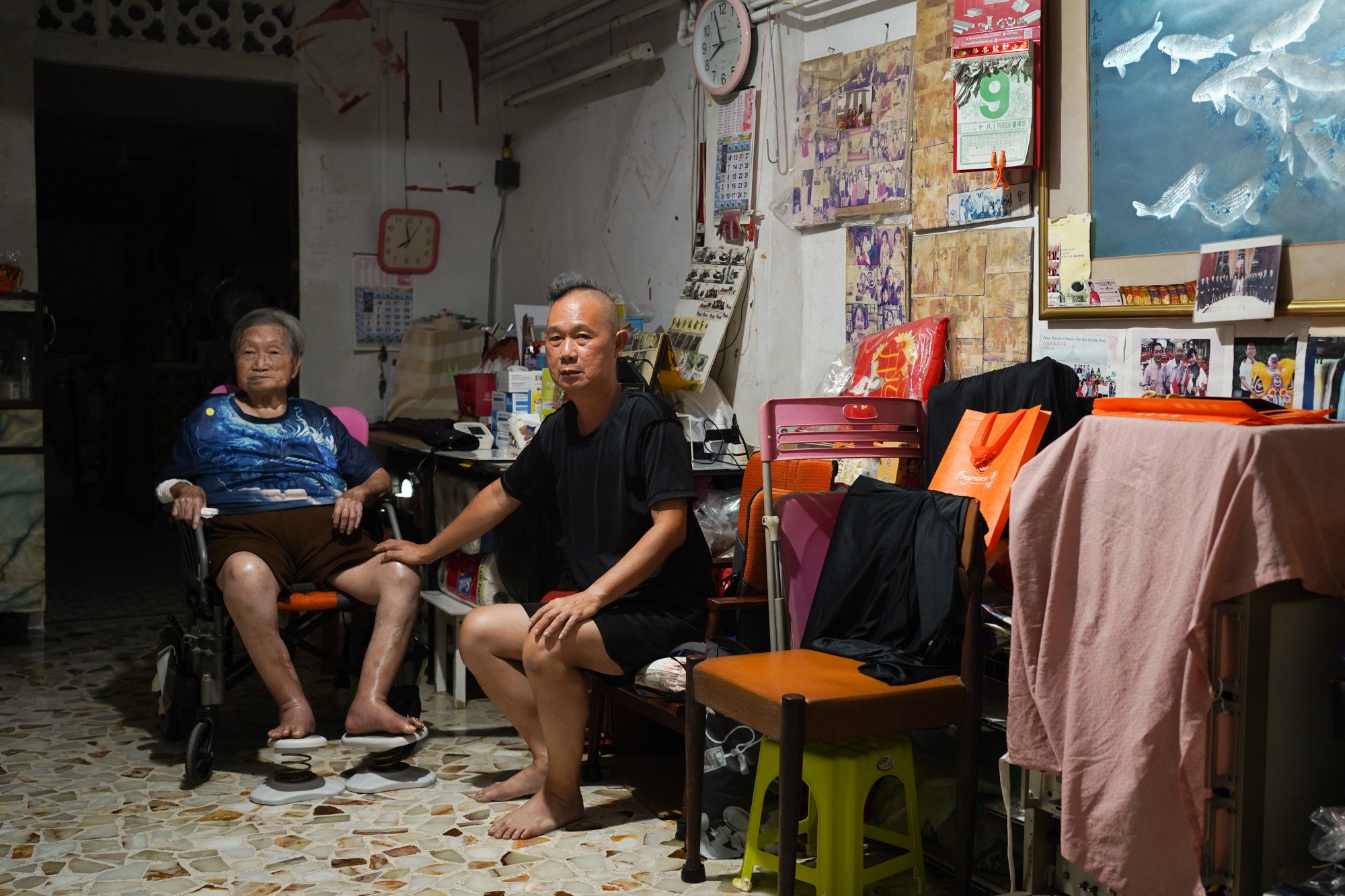
Pang Kok Meng, 65, resides with his 91-year-old mother in a public housing flat in Geylang, a densely populated area in central Singapore. For over a decade, he has been involved in a persistent feud with a neighbor living one floor below him. According to Pang, any minor noise—such as high heels clacking or an object dropping on the floor—triggers a response from his neighbor, who bangs on the ceiling. This daily disturbance has left Pang’s mother in tears.
Pang is not alone in his struggle. In the first half of this year, Singapore recorded an average of 2,500 noise-related reports per month. With more than 80% of the population living in public flats, the issue of noise and conflict between neighbors is increasingly prevalent. These high-rise residential units, introduced in the 1960s, were designed to accommodate Singapore’s limited land area and rapidly growing population.
The situation escalated for Pang after learning about a tragic incident in the north of the country, where a man allegedly killed a mother of two due to a long-standing noise dispute involving the victim’s children. Koh Ah Hwee, 66, was charged with murder after stabbing Nguyen Phuong Tra, 30, in a communal corridor of their flat block in Yishun. Neighbors reported that the two households had been at odds for years.
Pang expressed deep concern about the potential for similar incidents to occur in his own neighborhood. As his mother’s primary caregiver, he has taken multiple steps to address the issue, including appealing to local members of parliament, filing police reports, and even taking his neighbor to court in 2015. Although the neighbor was ordered to pay S$500 (HK$3,000) and stop the disturbances, the noise continued.
Pang now calls for stronger enforcement measures, such as eviction orders for severe and prolonged noise disputes. “I don’t have the resources to hire another lawyer,” he said. “I feel helpless, suffering in silence.”
Greater Enforcement?
The Yishun murder case has reignited discussions about whether Singapore’s existing framework for managing community disputes lacks sufficient enforcement mechanisms. The government promotes an amicable approach, encouraging residents to seek help from community leaders and participate in free mediation sessions.
The town council of Sengkang, a northeastern estate, stated that most neighborly disputes are resolved peacefully and advised those involved in long-running cases to apply for mediation. However, according to a government statement released on September 27, less than 30% of cases filed at a community mediation center proceeded to mediation, primarily due to one party’s refusal to participate. From January to August this year, only 166 mediation sessions were held out of 1,106 registered disputes.
In the Yishun case, Nguyen had applied for mediation, but Koh did not accept the invitation. In November last year, Singapore’s parliament passed amendments to a bill on community dispute resolution, which included the formation of a unit to investigate serious noise complaints. This unit has the authority to deploy noise sensors, issue directives requiring attendance at mediation, and hand out abatement orders.
Those found guilty of failing to attend mediation could face fines of up to S$1,500, while non-compliance with abatement orders could result in fines of up to S$10,000. The unit is currently being piloted in the eastern estate of Tampines.
The revised bill also allows settlements reached through mediation to be converted into court orders, provided both parties consent, enabling quicker legal recourse.
William Wan, chairman of the Community Advisory Panel on Neighbourhood Noise, believes the revised law is likely sufficient to curb disputes, as both mediation attendance and outcomes would now be enforceable.
Building Civic-Mindedness
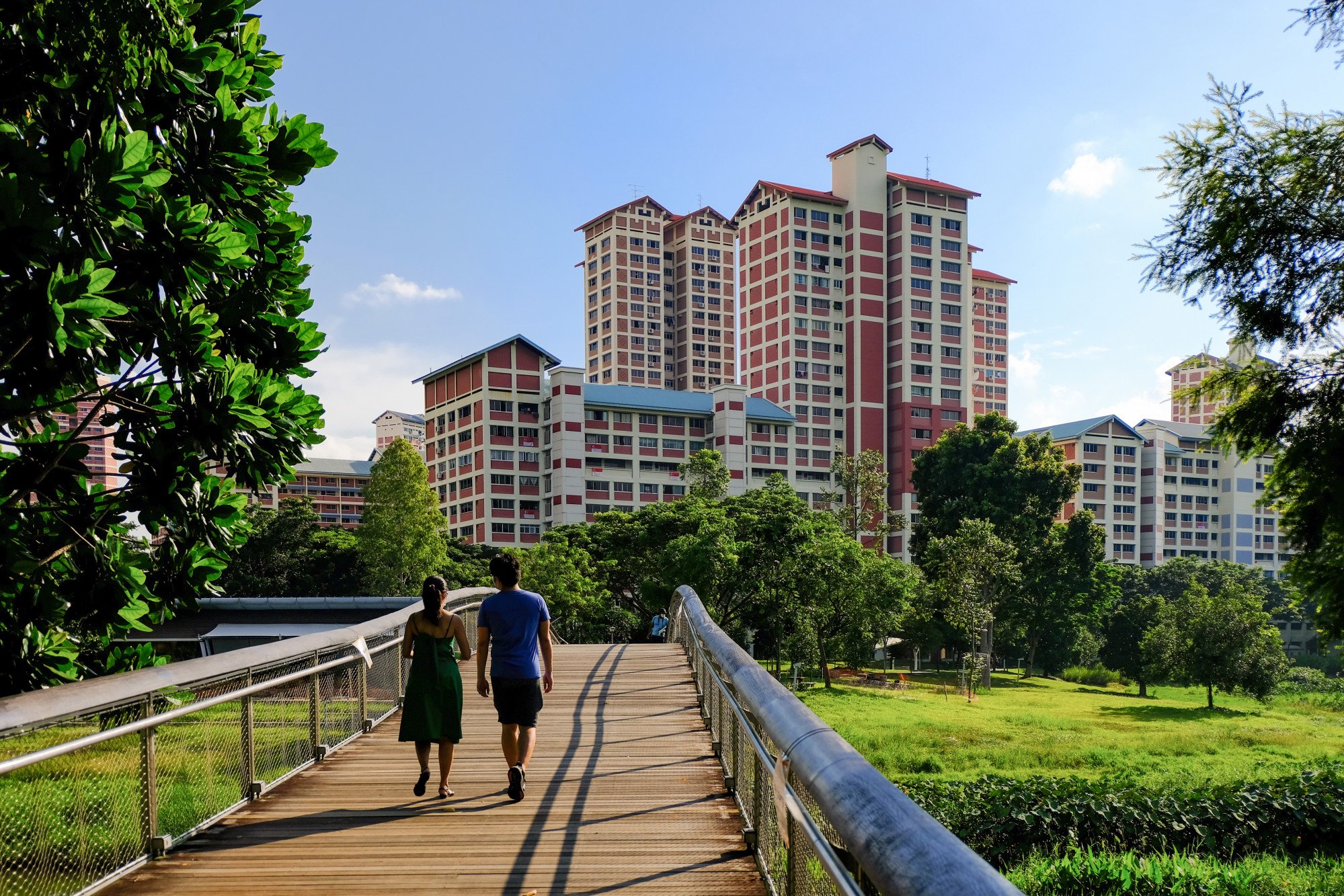
Singapore’s residents are generally accustomed to living in high-density public housing and have developed certain social norms, including the acceptance of diverse racial and religious practices. However, experts suggest that factors such as the increasing diversity of age groups in new estates and the limited integration of new citizens can hinder social cohesion.
George Wong, an assistant professor of sociology at Singapore Management University, points to the growing diversity of lifestyles and ideas about how homes should be used as potential sources of friction. “Some people might view their house as a place to lead their ideal life and build a music studio at home, and many play pickleball, which produces sharp sounds,” Wong said. “These are things that neighborhoods have not conventionally accepted, unlike getai [live stage performances] during the Hungry Ghost Festival. They don’t seem to fall in the social contract that comes with living in public housing, so there’s no common consensus on how to deal with them.”
Chua Beng Huat, a sociologist and emeritus professor at the National University of Singapore, notes that the increasing number of unmarried flat owners could also challenge social cohesion, as they may be less inclined to bond with their surrounding communities. Singles, especially professionals, often build their social networks at work or in bars and restaurants, according to Chua.
Under Singapore’s build-to-order public housing scheme, singles below 35 years of age are not eligible to apply for a flat. The age requirement is under review, and Chua believes it will be lowered.
He also highlights the need for Singaporeans to adjust to the presence of new citizens, even when both groups share the same ethnicity. Last year, Singapore granted the highest number of citizenships and permanent residencies since 2009, with 22,766 and 35,264, respectively.
“Local Chinese are not always friendly to mainland Chinese residents, and similarly, professional Indian migrants or permanent residents do not mix with local Indians and worse, their caste consciousness rubs against local Indians who have largely erased castes,” Chua said. “The problem here is the integration of the new permanent residents and citizens into local society.”
Enhancing Social Cohesion
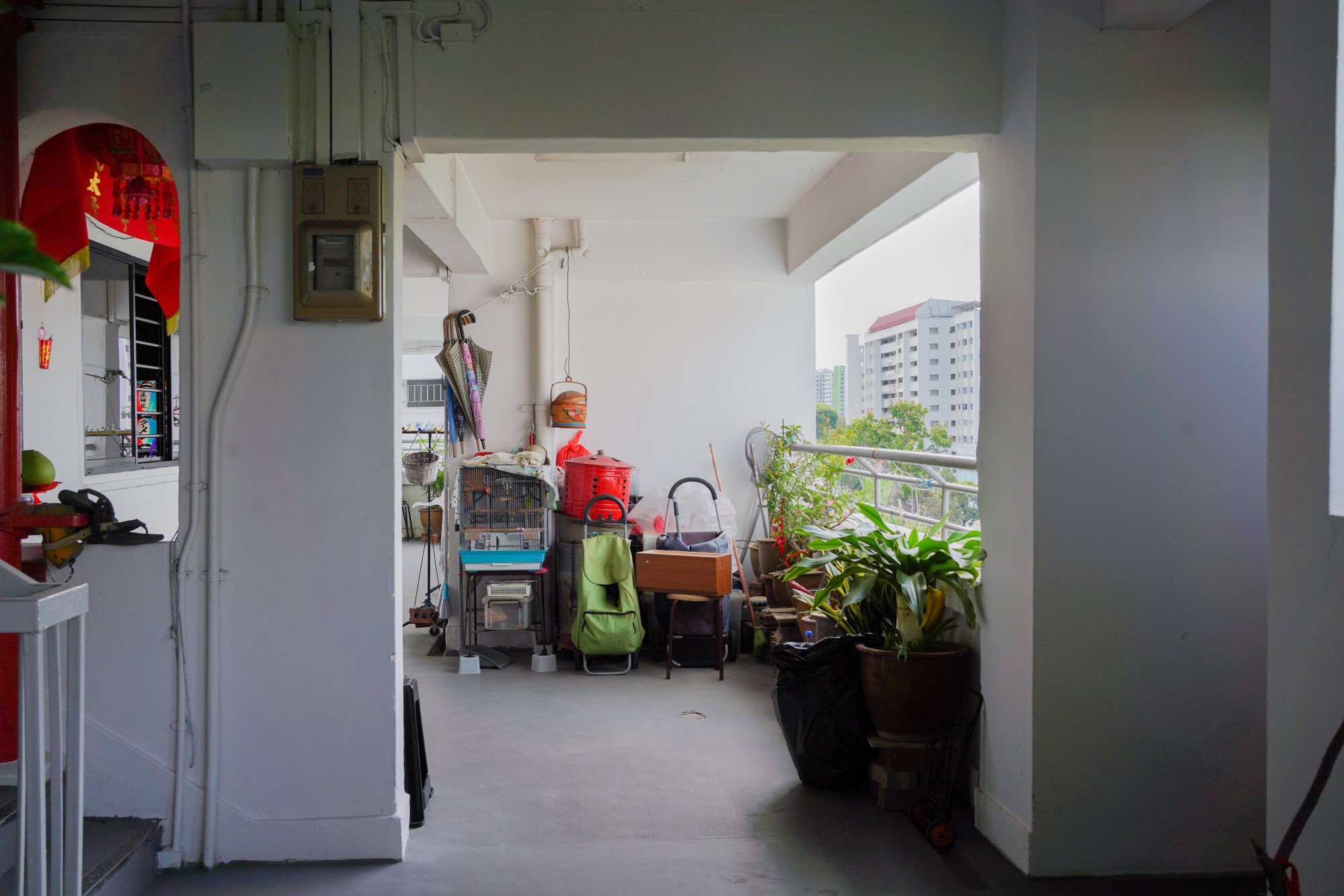
Experts suggest that greater involvement from community leaders and residents, along with stronger guidelines on dispute resolution, could enhance cohesiveness within public housing estates. Khoo Peng Beng, head of the architecture and sustainable design pillar at the Singapore University of Technology and Design, believes urban planners can encourage social interaction and mental wellness through thoughtful design—such as creating community spaces near green areas and ensuring blocks receive ample daylight and natural ventilation.
Ultimately, the responsibility for harmonious neighborly relations lies with residents themselves, according to Chua. “Living in high-rises requires a high degree of voluntary civic consciousness and responsibility. Without that, neighboring relations are impossible.”

Related posts:

Fiction park: He was the best in class. He still wasn’t good enough

Gagan Thapa takes oath as Congress president, vows to regain public trust

Inside knowledge that has locals gripped by fear after gran’s body found decomposing in cattle dip

New property purchase disclosure rule in Japan sparks fears it may curb foreign investment

Dino-mite treasures: inside Singapore’s Fort Knox storing playthings of ultra-rich