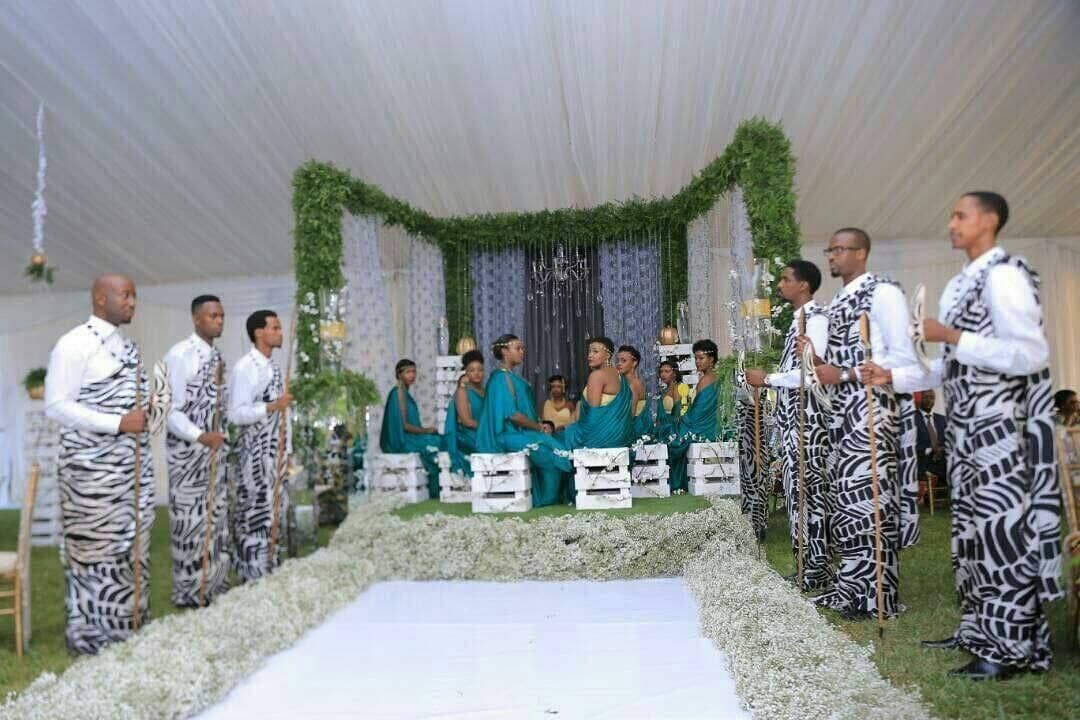
The Evolution of Rwandan Marriage: Tradition Meets Modernity
The Rwandan marriage tradition is a fascinating blend of ancient customs and modern practices, shaped by centuries of cultural evolution and external influences. At the heart of this tradition lies the concept of dowry, a practice that has remained central to Rwandan weddings while adapting to contemporary realities. This article explores the historical significance of marriage in Rwanda, the stages of traditional ceremonies, and how these customs have transformed over time.
Traditional Stages of Rwandan Weddings
In traditional Rwandan society, the journey toward marriage was marked by distinct stages, each carrying deep cultural meaning. These stages were not merely formalities but integral parts of a process that emphasized family unity, social responsibility, and respect for elders.
-
Kuranga – The first stage involved the groom’s family expressing interest in a potential bride. This was often based on the reputation of the girl’s family rather than her individual qualities. The focus was on finding a partner from a well-regarded family, reflecting the importance of lineage and social standing.
-
Kurambagiza – Following kuranga, the courtship phase allowed the families to evaluate the girl’s character, upbringing, and family background. This was a family-led process, with the groom not necessarily meeting the bride before the wedding. Observations were made discreetly, focusing on behavior, cleanliness, and work ethic.
-
Gusaba irembo – This stage involved seeking the bride’s family’s consent to marry. It was a formal step that established a bond between the two families and acknowledged the possibility of other suitors. Traditional drinks such as sorghum beer or honey beer were often brought as part of the ceremony.
-
Gufata irembo – A symbolic act where the groom’s family left a sign of their commitment to the marriage. This could involve leaving a cow or a helper to assist with farming or household tasks at the bride’s home.
-
Gusaba no gukwa – The formal wedding ceremony began with gusaba umugeni, a ritual where the groom’s family formally asked for the bride’s hand. This event included traditional drinks and a symbolic exchange known as imisango, which united the two families and set the tone for the marriage.
-
Gukwa umugeni – The giving of the bride price, inkwano, was a gesture of appreciation to the bride’s parents for raising her. The type of dowry varied depending on the family’s status, with cows being the most prestigious offering.
-
Gutebutsa – This stage involved discussing and agreeing on the date for the wedding ceremony. Without this step, the groom could be seen as losing interest.
-
Gutwikurura – The final stage of the traditional wedding, where the bride was formally unveiled to the groom’s family. This ceremony symbolized her full integration into the new home and was often accompanied by food, drinks, and traditional rituals.
The Role of Dowry in Traditional Rwandan Society
Dowry played a crucial role in traditional Rwandan marriages, serving as a form of guarantee or support for the future children of the marriage. If a woman left her husband without dowry having been paid, she would take her children with her to her parents’ home. However, if dowry had been given, such as a cow or other items to the bride’s family, those would be returned to the husband if the couple separated, as the children would remain with him and the dowry would help support them.
Unlike today, dowry was not based on money but on meaningful contributions like livestock or farm tools, reflecting a lifestyle centered on agriculture. With the introduction of monetary payments, the value of dowry has shifted, leading to concerns about excessive greed and the loss of its original cultural significance.
Changes in Family Involvement and Marriage Dynamics
In the past, marriage was viewed as igihango, a deep and lasting bond or pact between families, not just between the couple. Elders guided the process, and the bride was warmly welcomed into her husband’s family as their own child. For example, the father-in-law would receive her with kindness, even offering a cow as a sign of acceptance. This strong family involvement created lasting support systems.
Today, however, with families less involved, many marriages may lack support and fall apart more easily. While some changes are necessary to adapt to modern life, there is a need to find a fair and appropriate approach that works for everyone, whether rich, poor, or in between.
Conclusion
The evolution of Rwandan marriage reflects the complex interplay between tradition and modernity. While many aspects of the traditional ceremony have been preserved, others have adapted to changing societal norms. As Rwanda continues to grow and evolve, the challenge remains to honor its cultural heritage while embracing the opportunities of the modern world.


