The Shift from One-Size-Fits-All to Personalized Medicine in Kenya
For years, the approach to treating illnesses in Kenya has been largely standardized: using Panadol for headaches, Paracetamol for high temperatures, and antibiotics for infections. This one-size-fits-all model has been the norm, assuming that patients with the same disease will respond similarly to the same drugs. However, the human body is unique, with varying responses to medications and different dosage requirements.
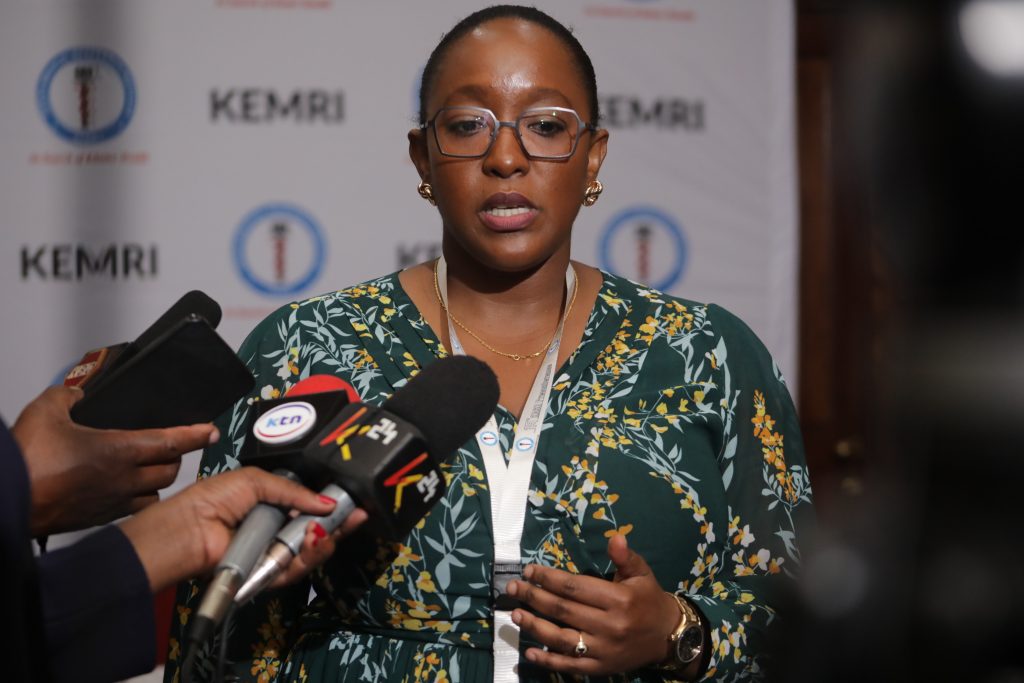
This approach has not always been effective, often leading some patients to take drugs longer than necessary or experience adverse side effects. Damaris Matoke, Acting Deputy Director of the Biotechnology Research Programme at the Kenya Medical Research Institute (KEMRI), emphasizes that different bodies have different dosage requirements when it comes to treatment. Some patients find relief quickly, while others endure prolonged treatments. This is why generalizing medication is no longer viable.
Matoke highlights that the gap in treatment effectiveness needs to be addressed, and the solution lies in adopting precision medicine. According to the World Health Organization (WHO), precision medicine, also known as personalized medicine, is a medical model that customizes healthcare by tailoring decisions, treatments, practices, or products to the individual patient. In this model, diagnostic testing is used to select appropriate therapies based on a patient’s genetic content or other molecular or cellular analysis.
The rising number of diseases and the increasing cases of drug resistance make precision medicine a timely and critical intervention. Drug resistance, especially in infectious diseases like tuberculosis, malaria, and HIV, poses a significant threat to public health. Traditional treatment approaches often rely on standardized medication regimens, which may not be effective for all patients, leading to incomplete treatment and the development of resistant strains.
By tailoring treatments to an individual’s genetic makeup, lifestyle, and environment, precision medicine enhances therapy effectiveness, minimizes adverse drug reactions, and addresses the challenge of drug-resistant infections. This is possible because the model allows healthcare workers to identify specific genetic factors that contribute to drug resistance in individual patients. By understanding these genetic markers, they can prescribe medications that are more likely to be effective, reducing the risk of resistance.
“The good thing about precision medicine is that it reduces the trial-and-error prescribing and can be applied for both communicable and non-communicable diseases. If adopted, it will not only reduce the burden on our healthcare facilities but also the cost of healthcare,” Matoke explains.
According to her, this targeted approach will also minimize the misuse and overuse of antibiotics and other medications, which are primary drivers of drug resistance. By ensuring that patients receive the right medication at the right dose, precision medicine will play a crucial role in preserving the effectiveness of existing drugs and safeguarding public health.
Dr. Helena Musau, a clinical oncologist at Kenyatta University Teaching, Referral & Research Hospital (KUTRRH), notes that this approach has shown remarkable success in developed countries, particularly in the treatment of cancer, rare genetic disorders, and chronic diseases like diabetes.
“Precision medicine has the potential to revolutionize healthcare in Kenya by providing targeted treatments that are more effective and have fewer side effects. It can help us move away from the one-size-fits-all model of treatment that often leads to trial-and-error prescribing,” says Dr. Musau.
She reveals that by focusing on individual patient profiles, precision medicine can reduce the time and cost associated with finding the right treatment, improve patient outcomes, and potentially lower long-term healthcare costs.
Despite its potential, integrating precision medicine into Kenya’s healthcare system presents significant challenges. One of the primary concerns is the high cost associated with genetic testing and the development of personalized treatment plans.
“The cost of sequencing a genome, while it has decreased globally, is still prohibitively expensive for most Kenyan healthcare facilities and patients. We need to find ways to make these technologies more affordable and accessible,” notes Ibrahim Ndungu, Senior Research Scientist at KEMRI.
To address this, KEMRI is pioneering a new era of cancer care in Kenya through precision oncology with the unveiling of its state-of-the-art cancer genomics lab equipped with next-generation sequencing technology. This facility will empower KEMRI researchers to delve into the intricate genetic makeup of cancers prevalent in Kenya. By leveraging the power of genomics, researchers will identify specific genetic mutations driving individual cancers, offering the promise of more effective and less toxic treatments for cancer patients.
“KEMRI is utilizing this advanced technology to unlock the potential of personalized cancer care, ultimately improving patients’ outcomes and transforming the landscape of cancer treatment in the region,” says Ndungu.
In addition to cost, the lack of infrastructure poses another major hurdle. Precision medicine requires advanced laboratory facilities, sophisticated data analysis tools, and well-trained healthcare professionals, all of which are in short supply in many parts of Kenya.
“Our current healthcare infrastructure is not equipped to handle the demands of precision medicine,” says Dr. Musau. “We need significant investment in technology, training, and data management systems to make this a reality.”
Furthermore, implementing precision medicine is a lengthy and complex process. It involves not only technological upgrades but also changes in healthcare policy, regulatory frameworks, and patient education.
Despite these challenges, Dr. Lucas Kimanga, CEO and Founder of Elara Health Innovations Ltd, emphasizes that if the country wants to realize the full potential of precision medicine, there is a need to build an enabling ecosystem.


