
The Rise of Home Births and the Controversies Surrounding Them
More than nine in ten babies in the UK are born in hospitals, but there has been a noticeable increase in home births. Advocates argue that delivering outside a medical setting offers several benefits, such as being in the comfort of one’s own home, experiencing minimal medical intervention, and having greater control over the birthing process. However, this choice remains highly controversial due to the absence of immediate specialized care in case of emergencies.
Home births are often supported by those who feel they have not received adequate support during previous hospital deliveries. For example, Jennifer Cahill from Prestwich, Greater Manchester, decided on a home birth for her second child after feeling unsupported during the delivery of her first son three years earlier. Despite her decision, complications arose during the birth of baby Agnes Lily, leading to a tragic outcome.


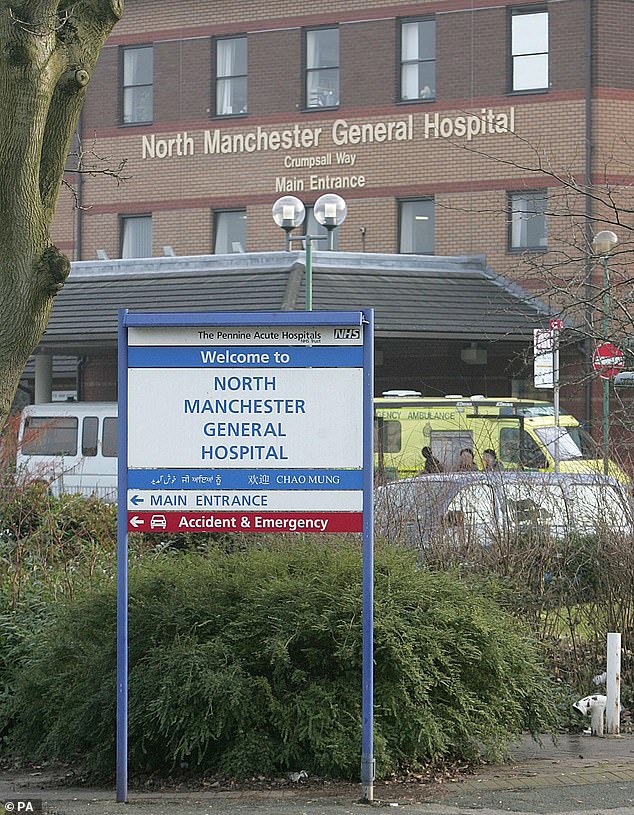
Jennifer and her newborn were rushed to the hospital after experiencing complications, but she died a day later at North Manchester General Hospital, while Agnes survived for only three days before passing away. This heartbreaking case has reignited discussions about the risks associated with home births.
According to the NHS, around one in 50 women in England and Wales give birth at home. In the US, nearly 50,000 births occurred outside of hospitals in 2023, according to an analysis published in the Journal of Perinatal Medicine. These numbers highlight the growing trend, but also the need for careful consideration of the potential dangers.
The Risks Involved in Home Births
Professor Dimitrios Siassakos, an honorary consultant in obstetrics at University College London Hospital, emphasizes that complications during labor can arise more frequently than many people realize. He stated that the best predictor of risk during childbirth is previous pregnancies. Women with a history of uncomplicated vaginal births generally have better chances of a straightforward delivery without direct medical attention. However, first-time mothers face higher risks, including stillbirth.

During labor, when intervention is needed, it must be done immediately. Severe blood loss, known medically as exsanguination, can be fatal within 10 to 15 minutes. Similarly, a baby can suffer brain injury from low oxygen levels in just 10 to 15 minutes and may die within 20 to 25 minutes. These emergencies can occur quickly, and if they happen at home, the time required to transfer the mother and baby to a hospital for life-saving interventions may be too long.
Professor Bassel Wattar, an associate professor of reproductive medicine at Anglia Ruskin University, added that fetal asphyxia—reduction in oxygen flow to the baby—is difficult to monitor at home. In hospital settings, continuous fetal heart rate monitoring is available to detect early signs of distress. If labor exceeds a safe threshold, timely access to medical support is essential for an assisted delivery or caesarean section.
Shoulder dystocia, when the baby’s shoulder becomes impacted due to larger size, is another true obstetric emergency. Even in hospitals, managing this condition can be complex. To support women in accessing their preferred birthing environment safely, there must be robust risk strategies and a Plan B in place, ensuring rapid transfer to medical care if complications arise.
Key Statistics and Informed Decision-Making
National studies show that just under half of women starting childbirth at home, who have not given birth before, need to be transferred to a consultant-led unit because they do not progress, the baby is in distress, or they suffer bleeding. Professor Siassakos emphasized that families need to be aware of key statistics before making an informed decision.
Home births do have advantages, but these must be balanced with the risks. Research suggests that around half of pregnant women in the UK will have or develop a complicating factor—such as high blood pressure or diabetes—that makes a hospital birth advisable. According to the NHS, home births for women having their first babies can “slightly increase the risk of serious problems” for the baby, from five in 1,000 for a hospital birth to nine in 1,000 for a home birth.

Professor Siassakos noted that an almost doubling in the incidence of serious complications, including the risk of the baby dying, up to about one in a hundred previously healthy babies, is something that families should consider and decide whether it is “slight” or significant for them.
The Royal College of Obstetricians and Gynecologists does not recommend a planned home birth if women have had a previous C-section, are carrying multiple fetuses, or if the baby is not in a head-first position.
A Tragic Case and Lessons Learned
Rob Cahill, Jennifer’s husband, shared his experience during an inquest into his wife’s death. He said she opted for a home delivery after finding giving birth in hospital with their first child, Rudy, in 2021 to be “highly stressful.” He described the lack of a dedicated midwife and the challenges posed by the pandemic as contributing factors.
Jennifer had suffered a postpartum hemorrhage after the first birth—a potentially fatal condition involving heavy bleeding. As a result, she was advised to have her second child in the hospital, but the couple believed the warnings were based on her previous Strep B infection, which led to sepsis in their son. They thought it could be managed if it happened again.
The Manchester University NHS Foundation Trust acknowledged that Jennifer should have been referred to a senior midwife after deciding on a home birth so the dangers could be discussed. The trust described the home birth as “outside of clinical guidelines” and stated that doctors had advised her that a hospital birth would be safer and preferable.


