A New Dawn in the Middle East?
In a remarkable development that could reshape the geopolitical landscape of the Middle East, U.S. President Donald Trump has facilitated what he describes as a “historic agreement” between Israel and Hamas. This marks a significant step towards ending the devastating Gaza war that has persisted since 2023. The pact, signed by both parties earlier this week, includes an immediate ceasefire, the release of hostages, and a partial withdrawal of Israeli forces from parts of Gaza.
The deal, referred to as the Gaza Peace Plan Phase One, also sets the stage for the release of thousands of Palestinian prisoners and the reopening of key humanitarian crossings. President Trump expressed his satisfaction with the agreement during an address to the Israeli Knesset in Jerusalem on Sunday, stating, “This is a great day for peace, a great day for Israel, and a great day for humanity.” He added, “Israel has won the war, and now it must win the peace.”
A Long Road to Fragile Peace
The agreement represents the most substantial diplomatic breakthrough since the October 7, 2023, Hamas attacks that claimed over a thousand Israeli lives and triggered a prolonged, brutal conflict in Gaza. Over the past two years, relentless Israeli airstrikes, ground operations, and siege measures have resulted in tens of thousands of deaths, displaced millions, and left much of Gaza in ruins.
For months, ceasefire negotiations mediated by Qatar, Egypt, and the United States had struggled to gain momentum. Then, in late September, Trump reemerged with a 20-point peace proposal that combined hard security guarantees for Israel with a conditional roadmap for Gaza’s reconstruction and governance. After weeks of backchannel talks and shuttle diplomacy, both Israel and Hamas agreed to sign the first phase of Trump’s plan on October 8, 2025.
“This deal reflects the courage of leaders on both sides who are ready to stop the killing and start rebuilding,” Trump told reporters after the signing. “It’s not perfect, but it’s a start — and sometimes that’s all peace needs.”
Key Terms of the Agreement
Under the pact, Israel is expected to cease military operations and withdraw troops to a defined line within Gaza, while Hamas will release all remaining Israeli hostages. In return, Israel will release thousands of Palestinian detainees, including women and minors, many of whom were arrested after the 2023 attacks.
The ceasefire is designed to take effect within 24 hours of signing, with the hostage and prisoner exchanges completed within 72 hours. Humanitarian aid convoys are expected to resume almost immediately through reopened border crossings at Rafah and Kerem Shalom.
Future phases of the Trump plan — yet to be negotiated — envision the demilitarization of Hamas, the formation of a technocratic interim government in Gaza under international supervision, and a comprehensive reconstruction program supported by regional and global donors.
Trump’s Triumphant Return to the Peace Stage
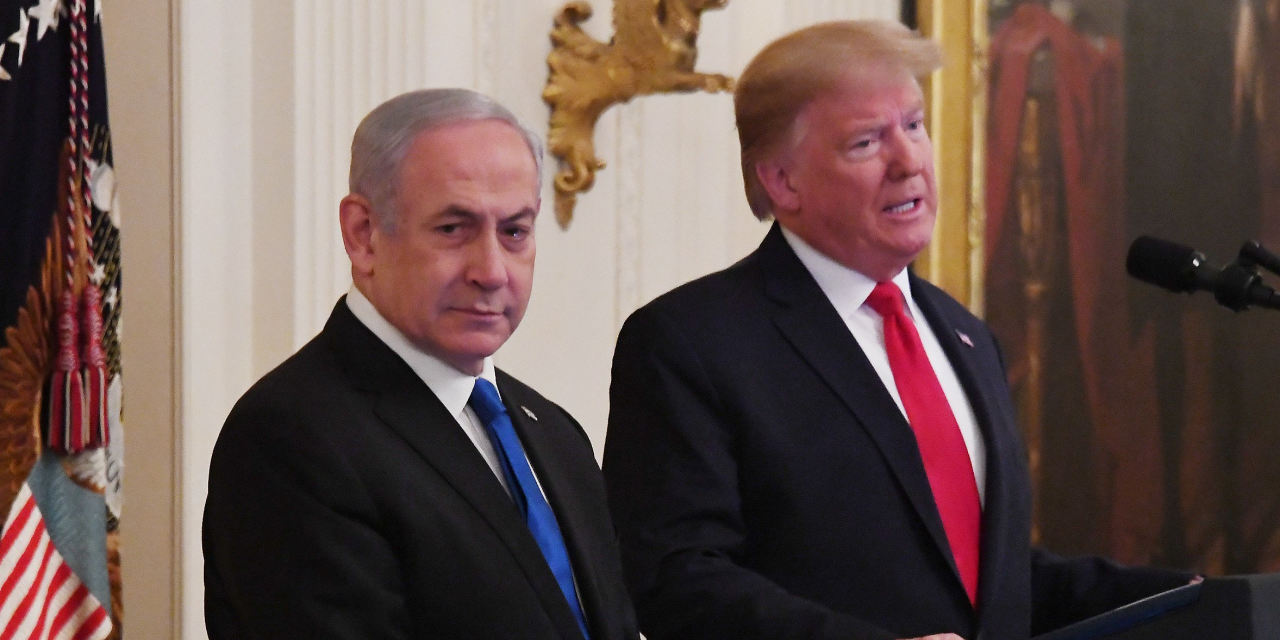
For Trump, who left office amid controversy in 2021, the deal represents a dramatic political comeback and a chance to reclaim his image as a global dealmaker. Flanked by Israeli Prime Minister Benjamin Netanyahu, Trump told cheering lawmakers in the Knesset that his plan would “end decades of terror and bring lasting stability” to the region. “The war is over,” he said. “Now comes the hard part — peace.”
Outside the chamber, however, the mood was more complex. Opposition members held up banners reading “Recognise Palestine” before being escorted out by security. In Gaza, cautious celebrations broke out in refugee camps, where weary residents expressed both relief and skepticism.
“We have seen peace deals before,” said Mariam al-Sousi, a teacher in Khan Younis. “They talk about rebuilding, but we are still waiting for justice and freedom.”
Relief and a Call for Action
Nigerian officials welcomed the ceasefire with cautious optimism, emphasizing both humanitarian relief and political responsibility. In a statement by the acting spokesperson of Nigeria’s Ministry of Foreign Affairs, Kimiebi Imomotimi Ebienfa, the government said:
“The Federal Government of Nigeria welcomes the agreement of a ceasefire in Gaza between Israel and Hamas.
“The agreement offers the prospect of an end to the appalling loss of civilian life and human tragedy witnessed across Gaza over the last 15 months, as well as relief to the families of Israeli hostages held in Gaza and some of the Palestinians detained in Israeli prisons.”
The statement also praised Egypt, Qatar, and the United States for their roles in the negotiations, noting that they would serve as international guarantors of the deal. Ebienfa added:
“The ceasefire agreement presents the people of the region with an opportunity for hope and compassion.”
Additionally, Nigeria reaffirmed its support for the two-state solution, viewing it as the only pathway to a just and enduring peace in the Middle East.
Humanity, Law, and the Stakes Ahead
On the global stage, the United Nations reiterated that any cessation of conflict must be matched by protection for civilians, sustained humanitarian aid, and serious steps toward resolving political status issues.
UN Secretary-General António Guterres has been especially forceful. In a statement following the announcement of the ceasefire deal and release of hostages, he called for a permanent ceasefire and the release of all hostages without delay. “We cannot go back to more death and destruction.”
He also stressed the requirement for humanitarian access that is “rapid, safe, unimpeded, expanded, and sustained,” warning that any erosion of these terms would undercut the ceasefire’s legitimacy.
Another UN official, Khaled Khiari, Assistant Secretary-General for the Middle East, described the conflict’s toll in Gaza as “a nightmare of historic proportions … long past time for the fighting to end and for hostages to return home.”
Wider Diplomatic Ripples
Beyond Gaza, the ceasefire has revived a flurry of diplomatic consultations across the Middle East and Africa. Egypt and Qatar, two of the key mediators, are working to establish a joint monitoring mechanism to ensure both sides adhere to the truce terms.
The African Union has also welcomed the development, urging member states to increase humanitarian contributions to Gaza through the AU Relief Fund.
In Europe, reactions have been more restrained. The European Union described the truce as a “step in the right direction” but pressed for guarantees that humanitarian corridors would remain open.
French President Emmanuel Macron said his country was ready to support post-conflict reconstruction, provided international oversight prevents misuse of funds. The United Kingdom echoed similar sentiments, pledging to support demining and medical rehabilitation initiatives.
The Humanitarian Imperative
For Gaza’s civilians, the ceasefire’s real test lies in daily survival. United Nations agencies estimate that more than 70 per cent of the enclave’s infrastructure has been damaged or destroyed.
The World Health Organisation reports that half of Gaza’s hospitals remain non-functional, while UNICEF has warned of rising malnutrition among children. Aid convoys coordinated by the UN Relief and Works Agency (UNRWA) have resumed, but distribution remains hampered by security restrictions and fuel shortages.
Human rights organisations such as Amnesty International and Human Rights Watch have also called for independent investigations into alleged violations of international law by both sides, arguing that justice and accountability are indispensable to breaking the cycle of violence that has defined Gaza for decades.
The Challenges Ahead
The ceasefire, while a welcome reprieve, faces numerous challenges that will test its durability in the coming weeks.
Restoring basic humanitarian flows and rebuilding critical infrastructure such as hospitals, water systems, electricity grids, and sanitation facilities are urgent priorities.
Without these, any sense of normalcy in Gaza will remain out of reach, and frustration among civilians could quickly erode confidence in the truce.
Equally critical is the protection of civilians and adherence to international humanitarian law. Both Nigeria, through Foreign Minister Tuggar’s statements, and the United Nations have stressed the importance of proportionality and restraint in military operations.
They argue that safeguarding civilian life and respecting legal norms are not merely moral imperatives but also strategic necessities for any sustainable peace.
Another major test lies in ensuring accountability and reviving the political process. Observers point out that the absence of credible mechanisms to enforce the ceasefire, investigate possible war crimes, and begin meaningful dialogue on the political future of Gaza and the West Bank could quickly return the region to instability.
The UN’s repeated calls for a renewed political horizon — anchored in the two-state solution — highlight how deeply political reform and peace are intertwined.
Sustained international engagement will also be decisive. Nigeria’s appeal for donor support to the ceasefire implementation process mirrors the UN’s insistence on long-term funding for reconstruction and humanitarian work. Both agree that if aid commitments falter or political attention drifts, the fragile calm could easily collapse under the weight of renewed grievances.
A Moment of Opportunity — But Not Yet Peace
This ceasefire delivers something precious: a pause in violence, relief for families, renewed access for aid. For many in Gaza and Israel, it will mean rest, recovery, mourning, and reflection.
But as Nigeria’s government and leaders like Guterres remind the world, this is not yet peace. It is, rather, an opening — an opportunity that demands vigilance, generosity, and integrity from all sides. Whether this moment leads to something enduring or fades into another temporary respite depends on the resolve and responsibility shown in the days ahead.
Israel Celebrates 20 Hostages’ Homecoming After 738 Days in Hamas Captivity
Meanwhile, the Embassy of Israel in Nigeria has joined the people of Israel, the global Jewish community, and all people of goodwill in celebrating the release of 20 Israeli hostages who have finally returned home after 738 harrowing days in captivity under the “evil terror organization Hamas.”
A statement by Michael Freeman, Ambassador of Israel to Nigeria, said:
“Today, we welcome home the 20 living hostages who have endured the unendurable. We give thanks for their survival, and we pray for their healing. We remember with broken hearts those who did not make it home, and we renew our commitment to bring back the bodies of the 28 remaining hostages who were murdered by Hamas.
“Israel did not seek this war. It was forced upon us by terror, hatred, and darkness. But after 738 days, we also see light — the light of freedom, the light of truth, and the light of hope.
“As Israel has always said, the release of the hostages will bring the end of the war. The end of this war must bring an end to Hamas’s reign of terror and open the door to a future of security, dignity, and coexistence — for Israelis and Palestinians alike.
“We extend our deepest gratitude to President Donald J. Trump, whose steadfast leadership, moral clarity, and tireless diplomacy played an instrumental role in bringing our hostages home and in advancing peace in the Middle East. His friendship with Israel and his courage in standing with the Israeli people will never be forgotten.”