Russia’s Mediation Between Iran and Israel
Russia is playing a pivotal role in mediating between Iran and Israel, while former US President Donald Trump attempts to reshape the Middle East with a US-backed Gaza peace plan. This evolving landscape has left the Iranian regime with limited options and dwindling support.
At a recent summit in Tajikistan, Russian President Vladimir Putin stated that Israel is committed to “regulating” its relationship with Iran, citing confidential discussions with Israeli leaders. According to Putin, Israel has signaled its desire to avoid confrontation with Iran and instead work towards peace. He also emphasized that Iran must not possess nuclear weapons.
However, geopolitical analyst Arman Mahmoudian warns that this message from Israel may be insincere or even a strategic move by Putin to serve Russia’s interests. Mahmoudian pointed out that Iranian media reports suggest Iran has purchased Russian Su-35 fighter jets, which, if delivered, would signal support for Tehran despite the ongoing war in Ukraine.
He speculated that Israeli Prime Minister Benjamin Netanyahu might be attempting to convince Moscow not to send these jets by stating that he does not want to attack Iran. Yet, Mahmoudian remains uncertain about whether Netanyahu is engaging in tactical games with Putin.
War Exposes Iran’s Weaknesses
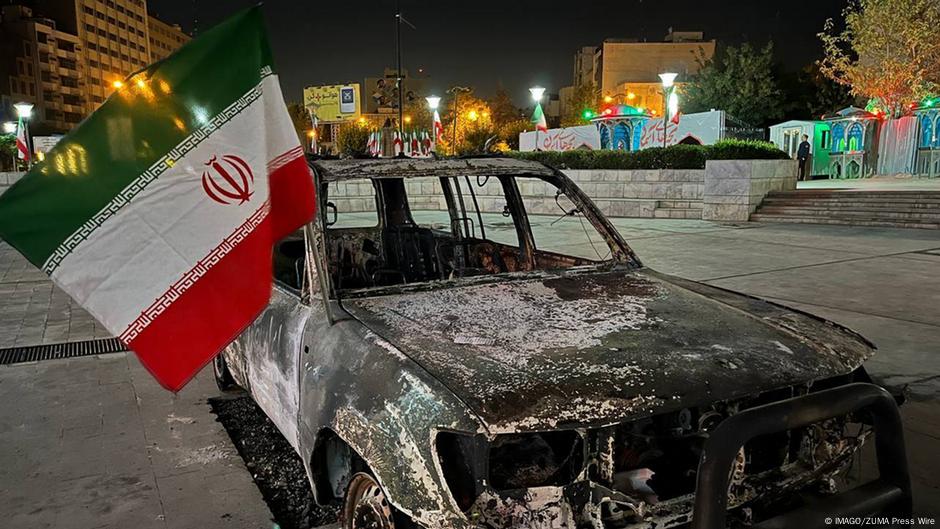
The 12-day conflict between Israel and Iran in June revealed significant weaknesses in Iran’s air force and defenses, as Israel targeted numerous locations within Iran. The fighting concluded with the US bombing Iran’s nuclear facilities.
In a recent address to the Israeli parliament (Knesset), US President Donald Trump urged Iran to change its course, emphasizing the need for Iran to renounce terrorism, stop threatening its neighbors, cease funding militant proxies, and recognize Israel’s right to exist. Trump claimed that Iran wants to make a deal, but Iran had no representative at the Sharm el-Sheikh conference in Egypt, where Trump proposed lifting sanctions if Tehran was willing to negotiate.
Crippled by Indecision
Paris-based Iranian expert Mojtaba Najafi believes Iran’s decision not to attend the Sharm el-Sheikh conference signals a system that has lost its ability to make decisions. He argues that the regime faces complex crises but is unable to overcome ideological barriers to diplomacy. Najafi notes that the Islamic Republic has historically made rational decisions too late.
Iranian media has also criticized the decision not to participate in the summit. Analysts highlighted that Iran once negotiated even with Saddam Hussein, who initiated an eight-year war against Iran in 1980.
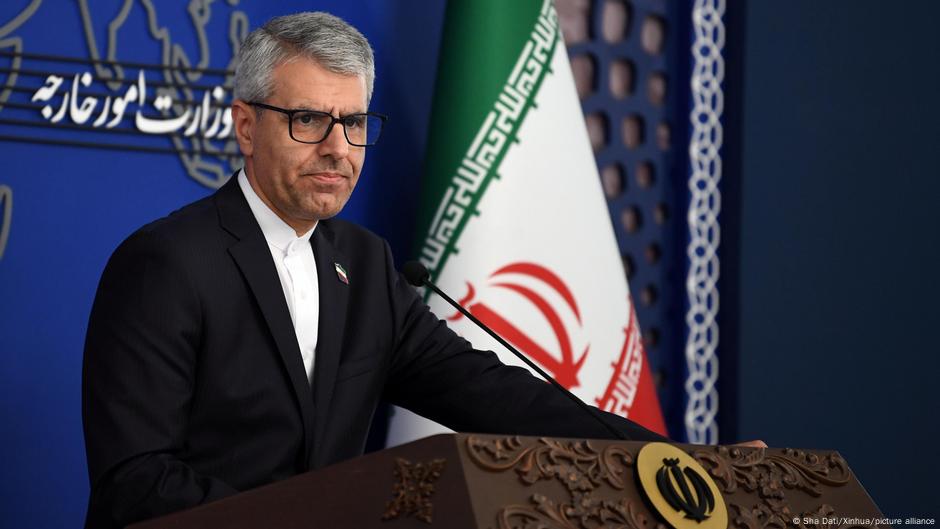
An Iranian Foreign Ministry spokesman, Esmaeil Baghaei, insisted that Iran remains committed to ending the Gaza war and that diplomatic tools are still available. He emphasized that international interactions are not limited to physical presence.
Has Iran Lost Its ‘Axis of Resistance’?
Arman Mahmoudian noted that a truce in Gaza has both advantages and disadvantages for Iran. While it removes a key point of contention between Iran and Israel, it could also lead to the disarmament of Hamas, potentially setting a precedent for Hezbollah in Lebanon with Arab support.
Hezbollah is a critical component of the “Axis of Resistance,” an Iranian-backed network of militias across the Middle East. Despite its origins as a counterpoint to the “axis of evil” label, Iran’s support for such groups has led to its own international isolation.
Key figures in the axis have been killed, including Hamas leader Ismail Haniyeh and Hezbollah chief Hassan Nasrallah. With Syrian dictator Bashar Assad ousted in 2024, Iran’s network of allies is on the brink of collapse.
The ‘Biggest Lie’ in Iran’s History
Defense expert Mehdi Motaharnia questioned whether Iran can still claim victory and deterrence after losing Syria, Haniyeh, and Hezbollah. He argued that the strategy no longer works. Even Iranian politicians are now openly criticizing Tehran’s approach, with former lawmaker Heshmatollah Falahatpisheh stating that 85% of Iranians would support ending tensions with the world in a referendum.
He criticized the conflict with Israel and the West, calling it the biggest lie in the history of the Islamic Republic. He noted that Iran has lost over $700 billion due to these conflicts.
Iran’s Nuclear Capabilities Remain a Strong Argument
Mahmoudian stated that Tehran has recognized that the militias it supports cannot prevent a direct attack on Iran. He added that the Middle East has shifted in a way that makes maintaining the network difficult. Even if Iran had sufficient funds, it could not provide military support because Syria is no longer a transit country for Tehran.
Iran will now focus on strengthening its internal military capabilities, particularly long-range missiles and modern jets for its air force from China or Russia. However, it remains unclear what political decisions Tehran will make regarding Trump’s offer of negotiations.
“The most important tool in any negotiations is still the 400 kilograms of 60% enriched uranium, the exact location of which remains unknown,” Mahmoudian said.
Conclusion
As the situation in the Middle East continues to evolve, Iran finds itself in a precarious position. With its allies weakened, its nuclear program under scrutiny, and its relationships with other nations strained, the regime faces a challenging path forward. Whether it can navigate these difficulties and find a way to stabilize its position remains to be seen.


