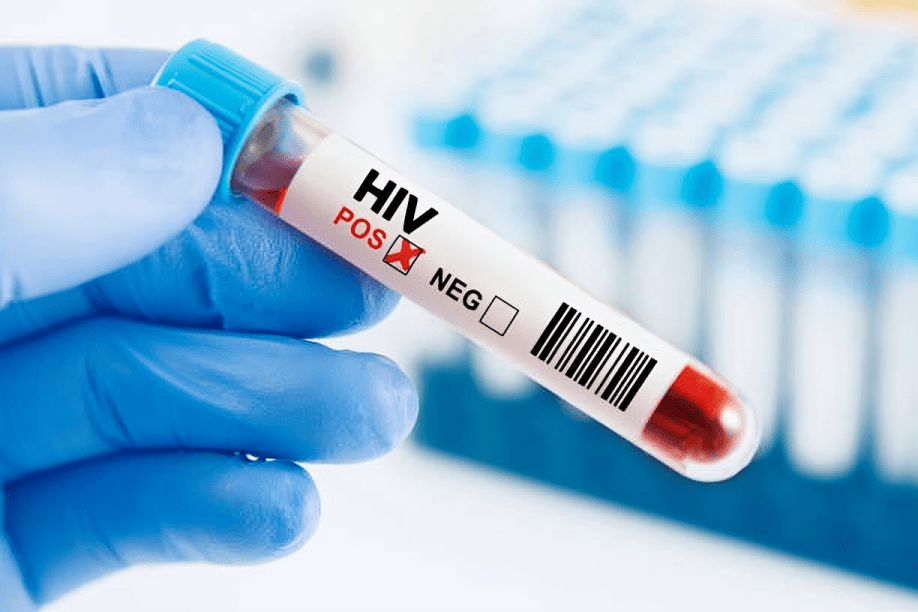
The Alarming Rise in HIV Infections Among Young Women
The AIDS Healthcare Foundation (AHF) Nigeria has highlighted a troubling global trend: approximately 4,000 young women between the ages of 15 and 24 are infected with Human Immunodeficiency Virus (HIV) every week. This staggering number is most prevalent in sub-Saharan Africa, where the HIV crisis is at its most severe. These statistics reveal a critical public health issue that demands urgent attention, as adolescent girls and young women are disproportionately affected by this epidemic.
The impact of HIV on young women extends beyond individual health. It affects their educational opportunities, economic prospects, and overall quality of life. The long-term consequences for communities are equally significant, as the loss of young women to HIV can hinder social and economic development.
To combat this growing threat, immediate and targeted interventions are essential. Addressing the root causes of HIV infections among young women requires a multifaceted approach that includes education, access to healthcare, and community engagement.
Why Young Women Are Most at Risk of HIV
Biologically, young women are more susceptible to HIV due to the fragility of their genital tract and the presence of untreated sexually transmitted diseases (STDs). However, biological factors alone do not explain the high rates of infection. Social and economic realities play a crucial role in increasing their vulnerability.
Research indicates that many young women enter relationships with older men who are more likely to be living with HIV. These power imbalances often prevent young women from negotiating safe sex or insisting on the use of protection. Poverty also contributes significantly to the risk, as some young women turn to transactional sex to meet basic needs such as food or school fees.
Additionally, there is a strong stigma surrounding sexual health, which discourages open discussions about HIV and prevention methods. Limited access to youth-friendly clinics and the underutilization of prevention tools like PrEP (pre-exposure prophylaxis) further exacerbate the problem.
How Are Young Women Getting Infected with HIV?
Understanding the ways in which young women contract HIV is essential for developing effective prevention strategies. Here are five key factors contributing to the spread of the virus among this demographic:
-
Unprotected Sex
According to the 2022 Global AIDS Update by UNAIDS, young women often acquire HIV at higher rates than their male peers due to relationships with older men who are more likely to be living with HIV. Lack of protection, whether due to ignorance or negligence, leaves them vulnerable to infection. -
Transactional Relationships Born Out of Poverty
For many girls, survival depends on what they receive in exchange for intimacy. Transactional sex is rarely safe, and the urgency of need often leads to the neglect of protection and negotiation, increasing the risk of HIV transmission. -
Limited Access to Prevention Tools
Condoms remain one of the most effective barriers against HIV, yet access and consistent use are far from guaranteed. In some regions, condoms are scarce, expensive, or stigmatized. However, initiatives like those in Namibia have successfully increased condom distribution, while awareness campaigns in South Africa have improved knowledge and uptake of PrEP. -
Sexual Violence and Coercion
Young women are frequently subjected to sexual abuse or forced sex, situations where they have no control over their bodies. These encounters are not only traumatic but also increase the likelihood of HIV transmission due to injuries and lack of consent. -
Untreated Sexually Transmitted Infections (STIs)
Common STIs like gonorrhoea, chlamydia, and herpes often go untreated due to stigma or lack of healthcare access. These infections cause inflammation and lesions that make it easier for HIV to enter the body during sexual activity.
What This Means
According to the World Health Organisation (WHO), 1.3 million people acquired HIV globally in 2023. In sub-Saharan Africa, women and girls account for over 60% of new infections. In 2023, Nigeria recorded 75,000 new HIV infections and 45,000 HIV-related deaths. These figures underscore the urgent need to place young women at the center of HIV prevention strategies.
For many girls who contract HIV, stigma is immediate and cruel. They face judgment, isolation, and sometimes forced withdrawal from school. Their chances of accessing higher education, employment, and supportive relationships drastically decrease. If left untreated, the virus can lead to AIDS, significantly impacting their health and lifespan.
The broader implications for communities and economies are profound. When thousands of young women are lost to HIV each week, societies lose caregivers, future mothers, entrepreneurs, and leaders. Countries heavily affected by HIV, particularly in sub-Saharan Africa, experience reduced GDP growth due to the loss of a productive workforce and increased healthcare costs.
What Needs to Change
The warning from AHF should not be seen as a call for awareness but a demand for action. To prevent the situation from worsening, interventions must be well-planned, realistic, and sustained. A coordinated effort involving governments, organizations, and communities is essential.
A Shared Responsibility
Curbing the HIV epidemic is not solely the responsibility of governments and organizations. Parents and educators must provide accurate information about sexual health to children. Religious and community leaders should work to break down stigma rather than reinforce silence. Men and boys must also be engaged as partners in promoting safe sex practices and gender equality.
By addressing the root causes of HIV infections among young women and fostering a supportive environment, we can make significant progress in the fight against this global health crisis.


