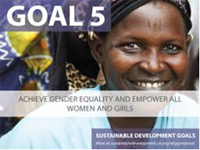
The Role of Rural Women in Africa’s Development
Dr. Jemimah Njuki, Director for Gender, Women and Civil Society at the African Development Bank Group, highlights the critical role of rural women in driving change across the continent. As key stakeholders in agriculture, trade, and innovation, they play a vital part in feeding families, boosting rural economies, and preserving the environment. However, many still face significant challenges, including limited access to land, finance, infrastructure, technology, and decision-making power.
For the African Development Bank Group, the International Day of Rural Women is more than just a symbolic observance. It reinforces the bank’s commitment to making gender equality a central component of Africa’s growth narrative. Supporting rural women is one of the most effective ways to accelerate the continent’s transformation by strengthening communities and building resilience.
This initiative aligns with the Four Cardinal Points set by President Sidi Ould Tah, which include mobilizing financial resources that reach women, reforming Africa’s financial systems to work for them, harnessing demographic potential, and building resilient infrastructure that improves lives and opportunities across the continent.
Advancing Gender Equality Through Strategic Pillars
The bank’s gender agenda is deeply rooted in its efforts to promote gender equality. Through its Gender Strategy (2021-2025), the bank focuses on three pillars—empower, accelerate, and transform—ensuring that women are at the center of every development program. These pillars align perfectly with the Four Cardinal Points, from expanding women’s access to finance and markets to reforming systems that better serve them, unlocking their demographic potential, and ensuring infrastructure investments respond to their daily realities.
Across the bank’s portfolio, various programs are helping rural women gain access to finance, own land, and participate fully in economic life. This has led to significant progress in recent years, particularly in areas such as women-owned enterprises, agricultural resilience, climate adaptation, and trade.
Success Stories: Impact on Rural Women
In Djibouti, the “Land Is Life” Regional Project has made a tangible difference for rural women in drought-prone areas. They now have access to land, water systems, and training in climate-smart agriculture. This project has restored livelihoods, strengthened women’s participation in local governance, and improved community resilience.
In Côte d’Ivoire, under the Government Social Program Support Project, women who once relied on charcoal trading have transitioned to market gardening. With support from the bank, they now grow chili, tomatoes, and cabbage, earning between 800,000 and 1,000,000 CFA francs per month. The project also installed over 100 boreholes, 2,300 hand pumps, and built fish ponds and poultry houses, creating jobs and new income sources for entire communities.
Another impactful initiative is the Affirmative Finance Action for Women in Africa (AFAWA), which tackles the $42 billion gender-finance gap by partnering with financial institutions to expand women’s access to credit. AFAWA now operates in 45 countries, partners with 185 financial institutions, and has mobilized over $2.5 billion for women-led businesses.
In Côte d’Ivoire, “Les Moissonneurs” cooperative in Toumodi exemplifies this impact. With AFAWA support, its president Brouz Jeannette Coffi has formalized its business. This repositioning, along with 26 other cooperatives, has opened doors to new opportunities, including formal contracts to supply cassava to large companies and access to credit from financial institutions.
A digital literacy component has also trained 500 rural women to read, write, and manage their own mobile-money accounts—skills they now share with others.
Addressing Time and Infrastructure Constraints
Rural women often face time and infrastructure constraints, spending hours every day on unpaid work such as fetching water, caring for families, and managing farms. This limits their education and business opportunities.
The African Development Bank is tackling these challenges through gender-responsive infrastructure and social innovations. In the Democratic Republic of Congo, the Project for the Reinforcement of Socioeconomic Infrastructure in the Central Region brought safe water points closer to homes, reducing women’s workload and improving community well-being.
In South Sudan, through the Program to Build Resilience for Food and Nutrition Security and Crisis Response for Women and Affected Communities programs, the bank has supported more than 483,000 people, including 288,000 women, by improving access to clean water, health facilities, and financial services. These initiatives empower women to manage resources and shape community decisions while saving time and strengthening livelihoods.
Harnessing Africa’s Demographic Potential
Africa’s greatest strength lies in its people, and empowering women and youth is key to unlocking this potential. When women and girls in rural areas have access to education, finance, and technology, they become powerful agents of transformation.
Through flagship programs such as Technologies for African Agricultural Transformation and Enable Youth, the bank is equipping women and young people with modern technologies, business skills, and climate-smart practices. In Nigeria, women-led cooperatives using the flagship’s rice-parboiling technology generated more than ₦65 million ($181,800) in sales from 218 metric tons of high-quality domestic rice in a single year—a clear example of how innovation translates into economic empowerment.
Future Directions
Looking ahead, the bank remains committed to supporting rural women. Under the leadership of Dr. Ould Tah and guided by the Four Cardinal Points, the bank will continue to mobilize capital that works for women, reform systems that hold them back, invest in education and digital access, and build infrastructure that saves time and supports livelihoods.
On this International Day of Rural Women, the African Development Bank reaffirms a simple truth: rural women are not just part of Africa’s development story—they are shaping its future.


