The Complexities of Leadership in Nigeria’s Electoral System
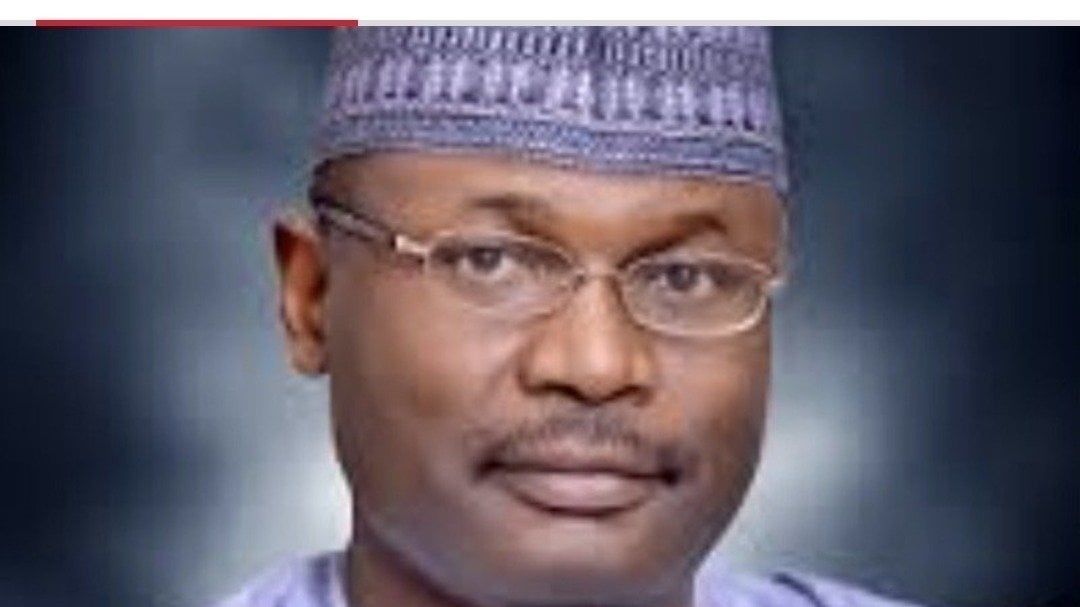
The saying, “None of us is as smart as all of us,” reflects the importance of collective wisdom and collaboration. However, in the context of Nigerian politics, this principle often seems to be overshadowed by individual ambitions and partisan interests. Recently, the Council of State, a constitutional body that provides advice to the Nigerian President, endorsed President Tinubu’s nomination of Professor J.O. Amupitan from Kogi State as the next Chairman of the Independent National Electoral Commission (INEC). This decision has sparked considerable debate, given the critical role INEC plays in shaping Nigeria’s democratic landscape.
The Senate is expected to approve the nomination, as it typically does. Earlier, I had predicted that any nomination by President Tinubu would likely face controversy, and this instance is no exception. The president has built a reputation for prioritizing partisanship in his appointments, which raises concerns about the integrity of the institutions he influences. While this reputation may not be entirely justified, it is rooted in the broader challenges of Nigerian politics, which are often marked by corruption and political maneuvering.
Professor Amupitan will now step into a position where even minor controversies can have significant implications. His appointment comes at a time when the president’s campaign for a second term is already underway, raising questions about the separation between governance and political activities. His predecessor had previously raised concerns about this premature engagement, and it remains to be seen whether Amupitan will take a firm stance against such practices.
Amupitan’s background as a Yoruba individual from Kogi State adds another layer of complexity to the situation. While this makes him slightly outside the core areas where President Tinubu’s influence is strongest, many Nigerians may still perceive this as an act of nepotism. Additionally, his name and credentials have been widely known for months as a frontrunner for the position, leading to speculation that he was simply waiting for the previous chairman to step down, regardless of other potential candidates.
His candidacy has also faced opposition due to various factors, including comments he made about budget fraud, his involvement with the APC in a high-profile election case, and his academic career, which some view as incompatible with the expectations of the role. Despite these challenges, the legislature is expected to approve his nomination, highlighting the complex dynamics within the political system.
Since 1998, every INEC chairman has met the basic requirements of non-partisanship and competence. However, the challenges they face are immense, as the commission operates in a highly politicized environment. The history of INEC includes notable figures like Justice E. Akpata, Dr A. Guobadia, Professor Maurice Iwu, Professor A. Jega, and Professor M. Yakubu, each of whom has contributed to the development of Nigeria’s electoral processes.
Despite their efforts, INEC has often struggled to maintain the credibility of elections in a country where political interests frequently interfere. The judiciary plays a significant role in determining election outcomes, which limits the commission’s ability to enforce its decisions independently. This dynamic creates a challenging environment for any new chairman, who must navigate the complexities of a system that is both intricate and deeply influenced by political forces.
As Professor Amupitan prepares to take on this demanding role, he will need to address critical reforms that are essential for the 2027 elections. These reforms will be vital in ensuring the credibility of the electoral process, but their success will depend on the political climate and the willingness of all stakeholders to prioritize the integrity of democracy over personal or party interests.
In conclusion, the challenges facing INEC and its leadership are multifaceted, reflecting the broader issues within Nigerian politics. As the nation moves toward the 2027 elections, the role of the INEC chairman will be more crucial than ever in determining the future of democracy in Nigeria.


