The Strategic Importance of Expanding Data Infrastructure in Nigeria
The President of Nugi Group, Augustine Ugi, highlights the growing significance of data centres to Nigeria’s economy. He emphasizes that investments must go beyond Lagos and Abuja, which currently host most existing facilities, if the country is to remain competitive in the global digital landscape.
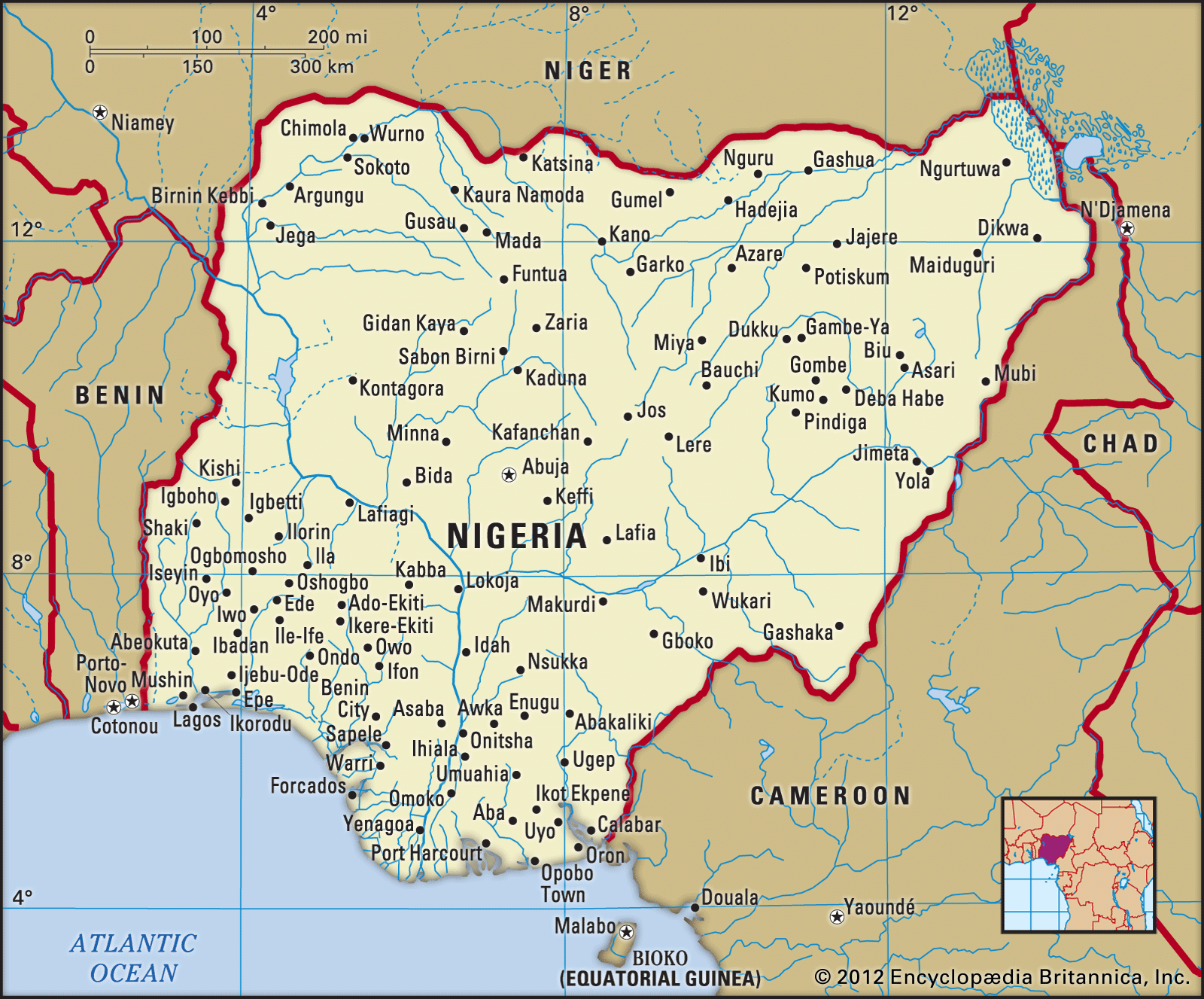
Expanding data infrastructure beyond Lagos and Abuja is crucial for Nigeria’s role in the global data economy. Cross River State, where the new data centre is being established in Calabar, holds resources essential for national development. By decentralising investment, the group aims to create opportunities outside the traditional economic hubs.
Calabar was chosen for several reasons: lower operating costs, a first-mover advantage, and alignment with the city’s tourism ecosystem. Its strategic location near Calabar Airport and visibility during the Calabar Festival make it an attractive site.
A Tier 4 data centre ensures approximately 99.99% uptime, making downtime almost impossible. This requires three to four independent power sources. Calabar offers unique advantages, such as proximity to a waterfall for hydroelectricity and space for a solar grid capable of storing power for months. Additionally, Cross River has abundant natural gas reserves that can be liquefied for electricity generation.
Economic Benefits and Opportunities
The data centre project will bring direct economic benefits to Cross River State and Nigeria as a whole. It will create jobs and opportunities for local talent in Calabar. Nigeria currently lacks sufficient data centres to manage daily data volumes, leading to much of the data being stored abroad. A facility of this scale changes that, enabling companies to store data locally and improving the performance of apps and digital services.
Global platforms like Facebook and YouTube, under pressure to localise data, can now leverage this facility, creating new foreign income streams for Nigeria. For banks and financial institutions, the centre will mean more reliable uptime, fewer disruptions, and reduced failed transactions.
Nigeria faces a pressing need to build digital talent. Nugi Innovations, the incubation arm of Nugi Technologies, supports this by nurturing individuals with brilliant ideas. Trainees receive training in both theoretical and practical skills, often transitioning into full-time roles at Nugi Technologies.
Building a Self-Sustaining Tech Ecosystem
Beyond the data centre, Nugi Group is expanding into construction, real estate, and agriculture. These sectors tie into the vision of a 370-hectare tech city, aiming to create a self-sustaining tech ecosystem. The vision includes Nugi Innovations, Nugi Farms (an agritech estate), modern housing for young professionals, and a commercial hub.
Africa has one of the largest youth populations globally. Without infrastructure and opportunities, young people risk unemployment or forced migration. The tech city provides a place where they can develop solutions for Africa, whether in fintech, agritech, or digital services.
Financing and Power Solutions
The project, with a proposed budget of $70m for phase one, is being financed through a mix of private sector investors, public sector partners, and Nugi Technologies. Several investors have already made significant commitments, while discussions with others are ongoing.
Confidence in the multi-source power approach stems from a hybrid, multi-source power infrastructure that strengthens the local grid while guaranteeing internal resilience. The facility will draw power from solar farms, gas turbines, hydropower from a nearby waterfall (up to 25 MW), and the national grid. A $50m battery energy storage system will sustain operations for up to 10 days if all primary sources fail.
Development Timeline and Cybersecurity Measures
The master plan is complete, with pre-development engineering and land preparation underway. Groundbreaking for the first modular units is expected in Q1 2026. The 6-unit modular data centre campus will cover six hectares of the 30-hectare tech complex and is projected to be fully operational by Q4 2027.
Each module will be rolled out in phases, allowing clients to begin migration, testing, and co-location early. This phased approach ensures continued expansion while enabling early access for clients.
Cybersecurity and data protection were considered from the outset. The centre complies with the Nigeria Data Protection Act and aligns with global standards like ISO 27001, PCI-DSS, and SOC 2 Type II. A “zero-trust” model ensures no user or device is automatically trusted. Security measures include AI-driven threat detection, multi-layered firewalls, network segmentation, and air-gapped backup systems.
For sensitive clients, private, isolated data vaults and sovereign data zones ensure information remains within Nigeria. A dedicated monitoring dashboard provides real-time visibility and audit capability.
Quotes and Vision
“Africa has one of the largest youth populations in the world. Without infrastructure and opportunities, young people risk unemployment or forced migration.”


