The Role of Public Awareness in Combating Drug Abuse
The Zonal Commander of the National Drug Law Enforcement Agency (NDLEA), Zone 9, Assistant Commander-General of Narcotics, ACGN Tunde John Omotosin, recently visited the Tribune House on Imalefalafia Street, Ibadan. During this visit, he emphasized the importance of continuous public awareness about the dangers of drug abuse and the consequences that await those who engage in it. His insights offer a comprehensive view of the challenges and strategies involved in tackling drug-related issues in Nigeria.
Experiences and Challenges
When asked about his experiences in the field, Omotosin shared an incident where he rehabilitated a medical doctor in Kebbi State who had become addicted to drugs. This case highlighted the fact that no one is immune to the risks of drug abuse, regardless of their profession or status. He also mentioned that vulnerable children are increasingly becoming targets, which is why the NDLEA is focused on sensitization efforts in secondary schools across the country, including one in Arometa, Eleyele, Ibadan.
The NDLEA’s mandate includes two major strategies: reducing the supply of drugs and curbing demand. To achieve this, the agency seeks partnerships with media outlets like the Nigerian Tribune to disseminate accurate information to the public. Omotosin stressed that prevention is more effective and less costly than treatment, and that the agency’s efforts involve not just arrests but also education and awareness campaigns.
Collaboration and Education
Omotosin recounted a documentary initiative during his tenure as State Commander in Delta, where the agency collaborated with the state government to integrate drug education into school curricula. This approach aimed to address the root causes of drug abuse rather than merely focusing on arrests. Over the years, the NDLEA has shifted its focus to include both reducing drug use and supply, ensuring a balanced strategy.
Addressing Drug Supply Chains
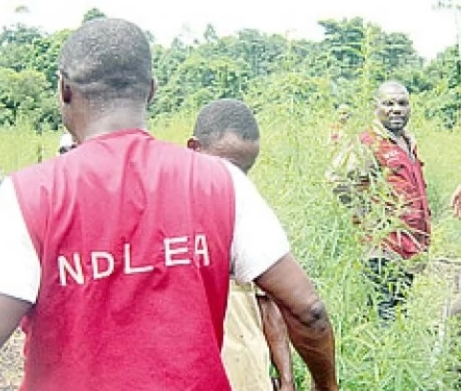
The spot near Guru Maharaji in Ibadan is known for its high level of activity related to drug trafficking. While cannabis cultivation is primarily associated with Ondo, Ekiti, and Osun, the storage and distribution often occur in Ibadan. Omotosin explained that the NDLEA works to disrupt these networks by targeting both the production and transportation of drugs. The agency has made significant arrests at key locations, which are essential for evaluating the effectiveness of their operations.
Impact of Modernity on Drug Trends
Modernity has introduced new trends in drug abuse, such as the “Yahoo Yahoo” syndrome, where individuals seek quick money and may resort to drug use. The availability of free money can lead to the purchase of expensive drugs, exacerbating the problem. Additionally, the abuse of everyday medications, like cough syrup containing codeine, has led to stricter regulations due to the harmful effects on users.
Alcohol, a depressant, is also classified as a drug because it affects the central nervous system and can lead to impaired coordination and hallucinations. Omotosin pointed out that alcohol is often considered a gateway drug, as it can lead users to experiment with stronger substances.
Cultural Considerations
Kolanuts, while containing caffeine, are culturally significant in Nigeria, especially among the Igbo and Hausa communities. Despite their stimulant properties, there is no law against kolanuts in Nigeria. Similarly, other substances like coffee and energy drinks made from kolanut extracts are socially accepted but still have potential health risks if consumed excessively.
Emerging Drugs and Trends
New drugs, such as “zegemy,” are gaining popularity among secondary school children, particularly in the North. These substances are not yet common in the South, but their potential for spread makes them a concern. Cannabis, often referred to as “Igbo,” is being laced into food items like cookies and candies, making it more accessible to younger audiences.
In the Niger Delta, cannabis is soaked in native gin to extract its active ingredients, posing challenges for law enforcement in identifying and prosecuting offenders. Omotosin urged parents to monitor their children closely, noting that changes in behavior, such as wearing dreadlocks or carrying certain accessories, could be signs of drug use.
Legal and Social Implications
Those who plant Indian hemp face severe legal consequences, as the NDLEA takes a strict stance against drug cultivation. Omotosin emphasized that many cultivators do not use the drugs themselves, understanding the risks associated with addiction. However, the prevalence of drug use remains a significant issue, with a 2018 survey indicating that 14.3% of Nigerians, or around 44 million people, indulge in drug use.
Future Directions
Emerging trends, such as the abuse of laughing gas, highlight the need for continued vigilance. The NDLEA has arrested containers of the gas at ports like Tin Can Island and Apapa, underscoring the importance of monitoring international drug trafficking. Omotosin noted that drug dealers operate through well-coordinated networks, making it crucial to stay ahead of these threats.
Ultimately, the NDLEA’s mission extends beyond arrests; it involves educating the public, supporting rehabilitation efforts, and fostering a society that understands the dangers of drug abuse. By working together with the media and the general public, the agency aims to create a safer environment for all.


