Nigeria’s Significant Achievement in Financial Reform
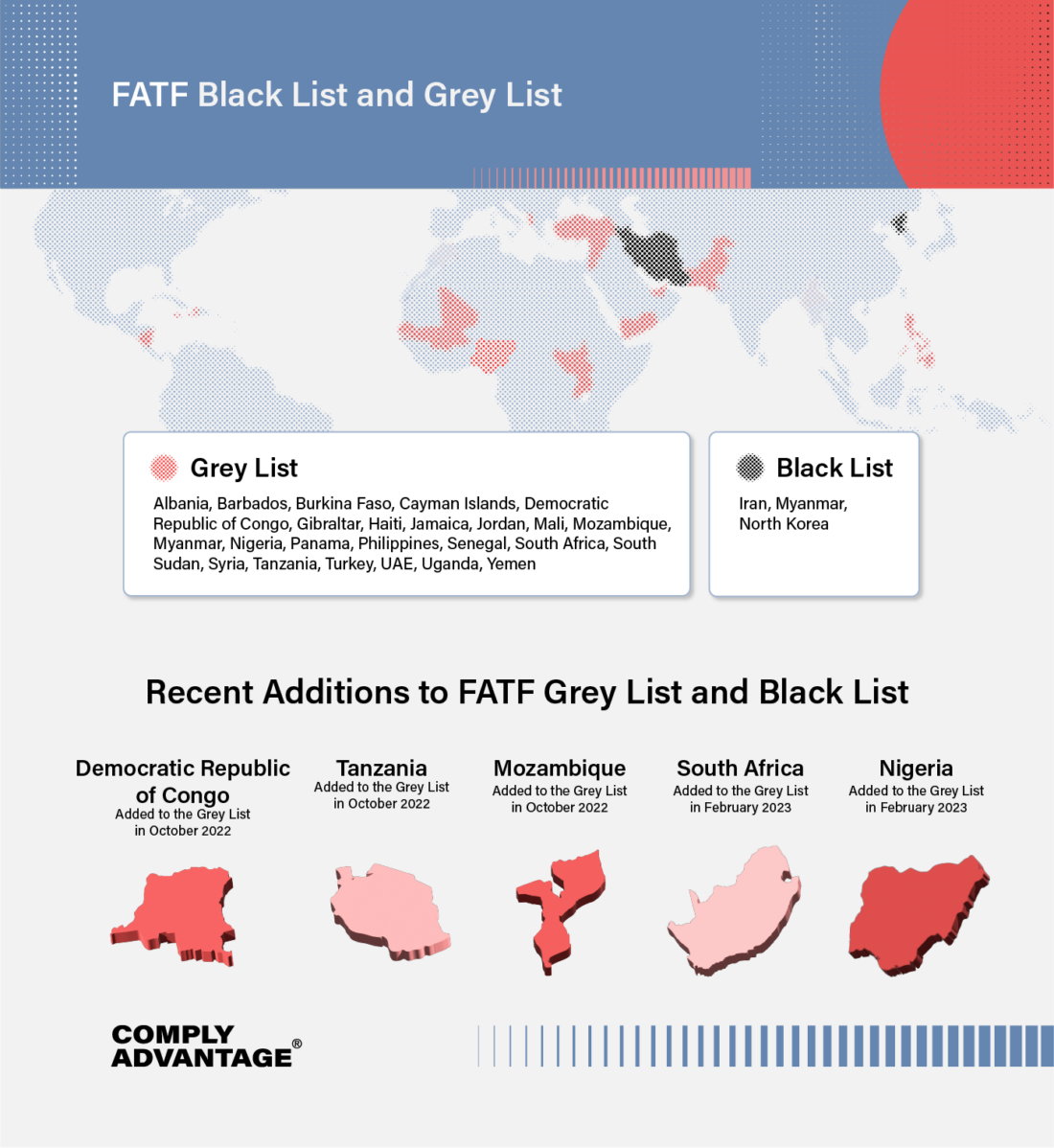
Nigeria has officially exited the Financial Action Task Force (FATF) grey list, marking a major milestone in the country’s efforts to strengthen its anti-money laundering and counter-terrorism financing (AML/CFT) framework. This achievement is the result of sustained implementation of strategic reforms aimed at addressing global standards for preventing illicit financial flows.
The Nigerian Financial Intelligence Unit (NFIU) confirmed this development, highlighting it as a significant step forward for the nation’s financial system and international reputation. The decision was announced at the FATF plenary held in Paris, France. According to the NFIU, the removal from the grey list followed a rigorous mutual evaluation process that reviewed Nigeria’s compliance with global standards.
Key Factors Behind the Success
Nigeria’s exit from the grey list was achieved through consistent inter-agency collaboration, decisive leadership, and the adoption of modern tools and technologies to enhance financial intelligence gathering and enforcement. The FATF grey list is reserved for countries with strategic deficiencies in their AML/CFT regimes. Being removed from the list indicates that Nigeria has demonstrated sufficient political commitment and technical progress in addressing all identified deficiencies.
Director and Chief Executive Officer of the NFIU, Hafsat Bakari, described the achievement as “a collective victory for Nigeria’s financial system.” She emphasized that it signals renewed confidence from international partners and investors. Bakari also expressed gratitude to President Bola Ahmed Tinubu for his leadership, noting that his administration’s support accelerated the completion of the FATF Action Plan and ensured compliance with international standards.
Collaboration Among Key Institutions
The NFIU commended the efforts of key institutions such as the Central Bank of Nigeria (CBN), Securities and Exchange Commission (SEC), Corporate Affairs Commission (CAC), Nigeria Police Force, Economic and Financial Crimes Commission (EFCC), Independent Corrupt Practices and Other Related Offences Commission (ICPC), and the Office of the National Security Adviser (ONSA). These institutions worked tirelessly to address FATF’s 30-item action plan, which included strengthening supervisory oversight, improving risk-based assessments, enhancing information sharing, and ensuring effective prosecution of financial crimes.
The agency noted that Nigeria’s successful exit from the grey list will have positive implications for the economy, including increased investor confidence, reduced transaction costs for Nigerian businesses abroad, and improved access to the global financial system. The FATF’s decision restores global confidence in Nigeria’s financial sector and signals that the country is a responsible member of the international financial community.
Sustaining Progress and Future Goals
Nigeria will continue to engage with the FATF and its regional body, the Inter-Governmental Action Group against Money Laundering in West Africa (GIABA), to sustain progress and prevent relapse. The FATF, an intergovernmental body established in 1989, sets international standards to combat money laundering, terrorist financing, and related threats to the integrity of the international financial system.
Nigeria’s exit from the grey list marks the culmination of sustained reforms initiated after the country was placed on the list in February 2023, when FATF identified strategic deficiencies in its AML/CFT regime. With all action items now successfully addressed, the country returns to full compliance with FATF recommendations.
President Tinubu’s Praise for the Achievement
President Bola Ahmed Tinubu welcomed Nigeria’s removal from the grey list, describing it as a major milestone in the country’s journey toward economic reform, institutional integrity, and global credibility. In a statement issued by his Special Adviser on Information and Strategy, Bayo Onanuga, the President highlighted that the decision followed Nigeria’s successful and timely completion of its FATF Action Plan after more than two years of sustained reforms, coordination, and enforcement improvements in its AML/CFT framework.
Tinubu emphasized that under his administration’s strategic leadership and the broader economic transformation agenda, Nigeria implemented far-reaching legal, institutional, and operational measures coordinated by the NFIU, in collaboration with key stakeholders.
Recognition of Efforts and International Support
The President commended the NFIU team for their diligence and sacrifice in ensuring the complete implementation of Nigeria’s Action Plan. He also applauded various government officials and agencies for their contributions. Tinubu acknowledged the technical support provided by the FATF, GIABA, and international partners such as the governments of France, Germany, the United Kingdom, the United States, the United Nations, and the European Commission.
FATF President’s Commendation
At the FATF plenary in Paris, where the announcement was made, the organization’s president, Elisa de Anda Madrazo, congratulated Nigeria for demonstrating “strong political will and inter-agency collaboration” under the administration of President Bola Ahmed Tinubu. She noted that after sustained efforts spanning just over two years, Nigeria has shown “a stronger capacity to investigate and prosecute,” which is helping the country focus resources on crimes that most harm its communities.
Madrazo also commended the Tinubu administration for implementing “government-wide policy reforms, stronger inter-agency coordination and cooperation,” while highlighting major improvements in the transparency of beneficial ownership structures and supervision within non-financial sectors, especially real estate.
Conclusion
Nigeria’s removal from the FATF grey list is not just a technical accomplishment but a strategic victory for the economy and a renewed vote of confidence in Nigeria’s financial governance. The country will continue to sustain institutionalized reforms, deepen inter-agency collaboration, and build a financial system that Nigerians and the world can trust.


