Understanding the Complexities of Marital Abuse
Domestic violence, a significant component of marital abuse, is increasingly becoming a recurring issue. It’s a matter that demands serious attention and cannot be overlooked, especially in light of recent incidents that have highlighted its devastating consequences. One such incident involved a lieutenant in the Nigerian Army who was tragically set ablaze during a marital conflict, underscoring the urgent need to address this growing problem.
The impact of domestic violence on the institution of marriage is profound, making it less appealing for many individuals in society. This issue has been brought to the forefront by various incidents, including statements made by prominent figures like the Emir of Kano, Sanusi Lamido Sanusi, who reportedly expressed strong views on how to handle such situations. Additionally, personal experiences, such as witnessing my sister being violently injured by her husband, have further motivated me to revisit this critical topic.
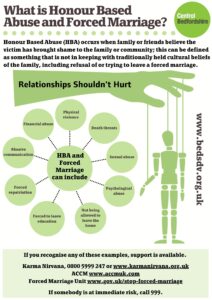
Marital abuse is not just a personal issue; it affects the entire community. It comes in various forms and can be emotionally, physically, and sexually damaging. The definition of abuse includes treating someone badly through coarse or insulting words, as well as physical or emotional maltreatment. In the context of marriage, abuse involves the bad treatment of a spouse in all aspects, leading to long-term damage and, in severe cases, death if not addressed promptly.
Traits of an Abusive Marriage
Identifying an abusive marriage is crucial for intervention. Some key traits include:
- Isolation of a spouse: One partner may be cut off from friends, family, and neighbors, with no visitors, phone calls, or outings allowed.
- Secrecy: Information about the family is kept hidden, and the abused is prohibited from discussing marital affairs with anyone.
- Physical injuries: Signs such as bruises, bloodshot eyes, or broken lips may indicate abuse, often dismissed as accidents.
- Irrational behavior: The abused may exhibit fear, incoherent speech, or unusual behavior, which should raise red flags.
These signs require immediate attention from those around the couple, as they can signal a dangerous situation.
Weapons Used by the Abuser
Abusers typically employ several tactics to maintain control:
- Intimidation: Creating fear in the abused to dominate and control them.
- Control: Dictating actions and decisions to ensure compliance.
- Manipulation: Influencing the abused to accept the abuser’s perspective and actions.
- Threats: Using threats of physical or emotional harm to prevent the abused from seeking help.
These methods are designed to keep the abused trapped in a cycle of trauma, often exploiting their vulnerabilities and past experiences.
Steps to Address Marital Abuse
It is essential for everyone to be aware of the signs of an abusive marriage and take proactive steps to confront it. This includes supporting the abused, offering resources, and advocating for change within the community. By doing so, we can help prevent further harm and provide a safer environment for those affected.
In the next part of this discussion, we will explore specific steps to deal with the challenges posed by abusive marriages. Until then, it is crucial to remain vigilant and supportive, ensuring that no one suffers in silence.


