The Political Landscape of West Nile
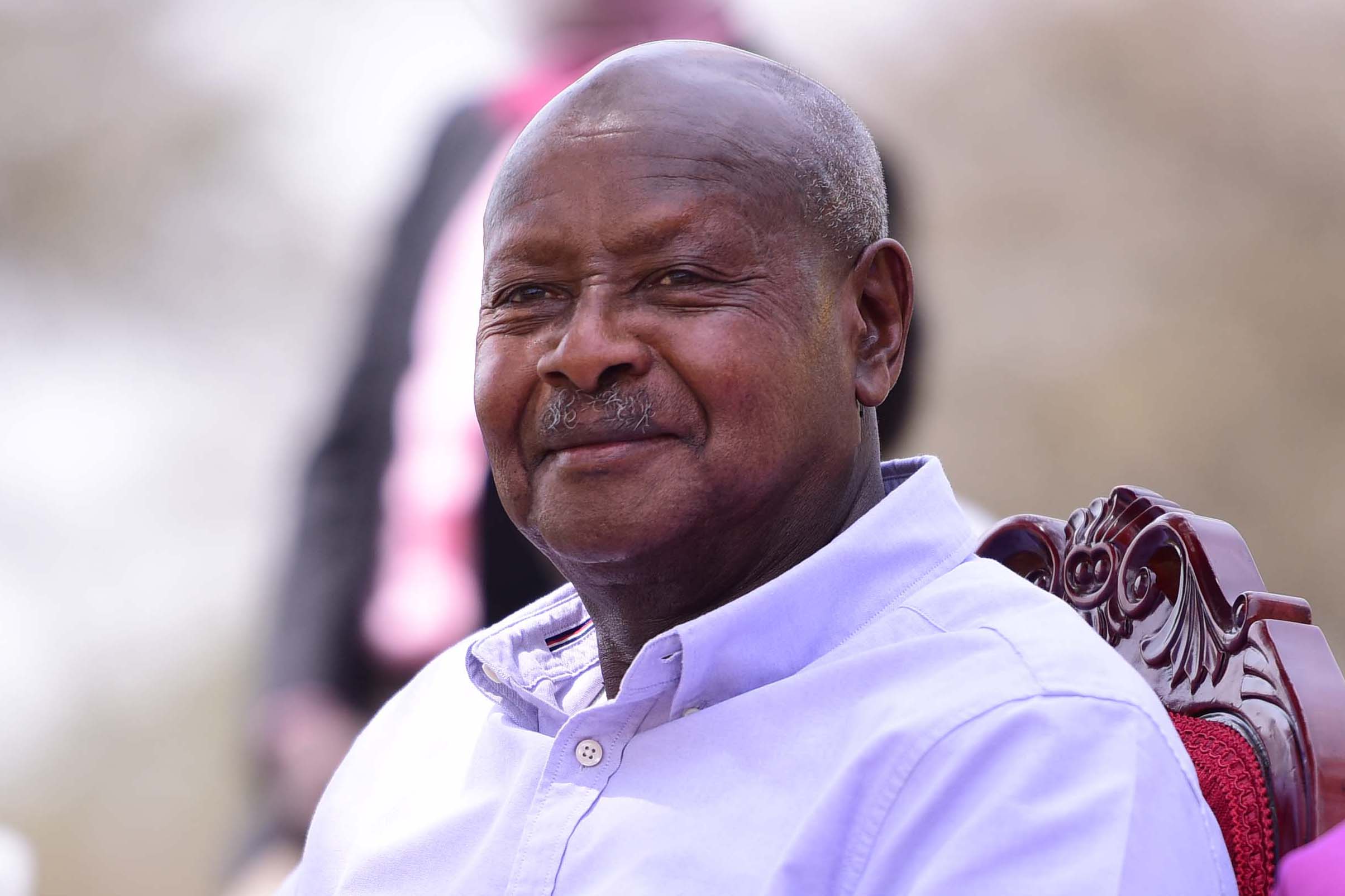
Presidential candidate Yoweri Museveni has spent a significant portion of October campaigning in the West Nile region, located in the farthest northwestern corner of Uganda. This area shares borders with South Sudan and the Democratic Republic of Congo. The region’s relative peace can be attributed to the National Resistance Movement (NRM) party, which has been led by Museveni for many years.
West Nile was once a fragmented and abandoned region, with its inhabitants fleeing due to military turbulence. Museveni sees this as a perfect example of restoration, highlighting how he has brought stability to the area. However, the region’s history is marked by conflict, especially during the leadership of former president Idi Amin Dada. His heavy-handed rule led to anti-Amin reprisals and revenge killings, forcing tens of thousands of West Nilers into exile.
Those who remained formed various rebel groups, leading to isolation and distrust from the rest of Uganda. Museveni quickly integrated these forces into his army and government through an amnesty offer, which resulted in figures like Moses Ali being appointed to key positions.
Campaigning in West Nile
During his campaign, Museveni emphasized the importance of peace, reminding the region’s 3.3 million people of their experiences with war and exile. He told a crowd in Zombo District, “You people of West Nile know what war means. You know what exile means. What we brought you is peace, and from peace comes everything else.” This message aims to invoke their past struggles and encourage them to vote for him.
The region’s proximity to volatile countries like South Sudan and the Democratic Republic of Congo adds to its challenges. Recently, clashes between South Sudan and Ugandan forces over a long-standing border dispute have left many displaced. Over 20 villages are in the disputed area, and locals fear that without resolution, they will remain in a state of constant movement.
Museveni’s team also highlighted the potential consequences of losing peace in West Nile. An official in Maracha district stated, “If we lose peace, West Nile is the first to feel it.”
Development and Challenges
Despite the peace, West Nile still faces issues such as low income levels, limited access to education, and inadequate infrastructure. Museveni promises development through his Parish Development Model, which includes increasing funding per parish. However, the model has not yet delivered the promised economic transformation, though Museveni believes it will lead to middle-income status within 15 years.
He argues, “You cannot change a driver when the car has just begun to climb the hill,” emphasizing the need for continued support. While some older residents appreciate the peace, younger people are more concerned about unemployment, poor schools, and unfulfilled promises.
Museveni’s key promises in the region include improved road infrastructure, primary schools in every parish, health centers in every sub-county, and cash for start-ups. He also pledges to resolve the decades-long land conflict in Apaa and address issues like drug thefts in hospitals.
Symbolism and Legacy
Museveni’s campaign also involves handing over party flags to successful candidates, a symbolic gesture of endorsement. This occasion was particularly poignant as he handed the flag to Gen. Moses Ali, a former rebel who was rehabilitated and integrated into the government.
Gen. Ali, now 86, has served the nation faithfully for over three decades. His campaign has relied on music and song due to his reduced mobility. For the people of West Nile, he remains a powerful symbol of reconciliation and continuity.
For Museveni, rallying West Nile behind him is crucial for strengthening his position in northern Uganda, a region that has historically resisted him. By deepening trust and cementing his base, he aims to secure a strong foundation for his seventh term.


