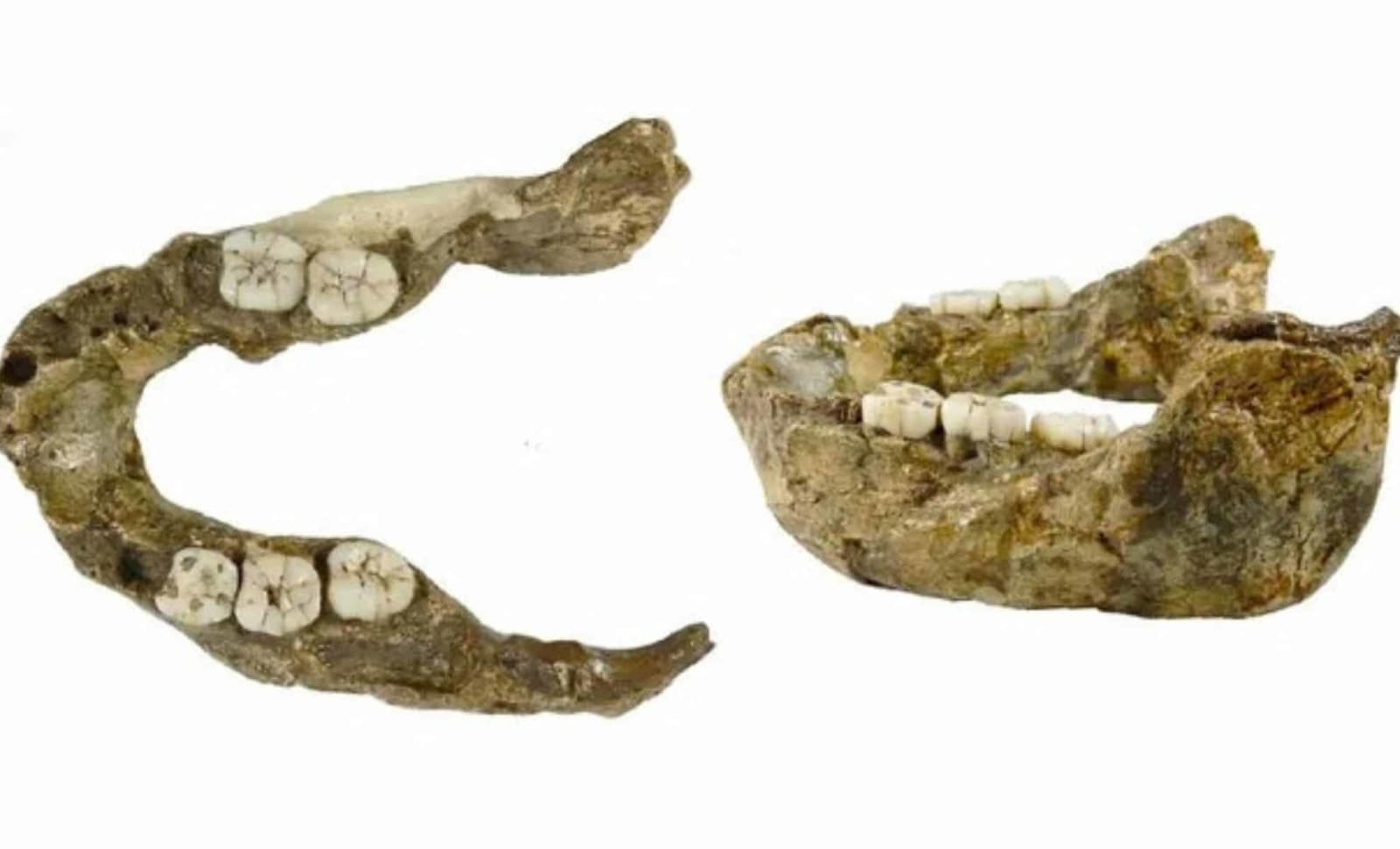
.
. The findings suggest that multiple human-like species coexisted in southern Africa over a million years ago, painting a far more complex picture of human evolution than previously assumed.
A Fossil Reclassified After 75 Years
persisted for decades.
, suggesting that it belonged to a separate lineage altogether.
.
“This is the first time since the 1970s that a new species of Paranthropus was identified,” Zanolli said.

What Was Paranthropus?
, specialized for crushing tough, fibrous plant material.
were known:
(an early species found in East Africa)
(the most robust species, with massive teeth and thick skulls)
(found in southern Africa)
, which had massive jaws adapted for an extremely tough diet, P. capensis had smaller teeth and a less robust mandible.
, which displays smaller teeth and a less robust mandible, might have had a more varied diet and potentially exploited different food resources,” he added.
for much longer than previously believed.
A Crowded Evolutionary Landscape
—inhabited southern Africa.
rather than one simply replacing the other.
.
.
What This Discovery Means for Human Evolution
with multiple species adapting to different environments.
The discovery also raises exciting new questions for researchers to explore:
・Did Paranthropus and early Homo species interact, and if so, in what ways?
・Why did Homo species thrive while Paranthropus went extinct?
・Are there more undiscovered Paranthropus species that could further reshape our understanding of human evolution?
of our evolutionary past.
.
for engaging stories, exclusive content, and the latest news.
.


