The Dangers of Aggressive Groundcover Plants
Groundcover plants are often used in landscaping to prevent weeds, stabilize soil, and add visual appeal. However, some species grow so aggressively that they become a serious problem for gardeners and ecosystems alike. These invasive plants can spread rapidly, outcompete native vegetation, and even damage the natural environment. Here is a list of 12 of the most problematic groundcover plants that should be avoided in home landscapes.
01 of 12: Beach Vitex
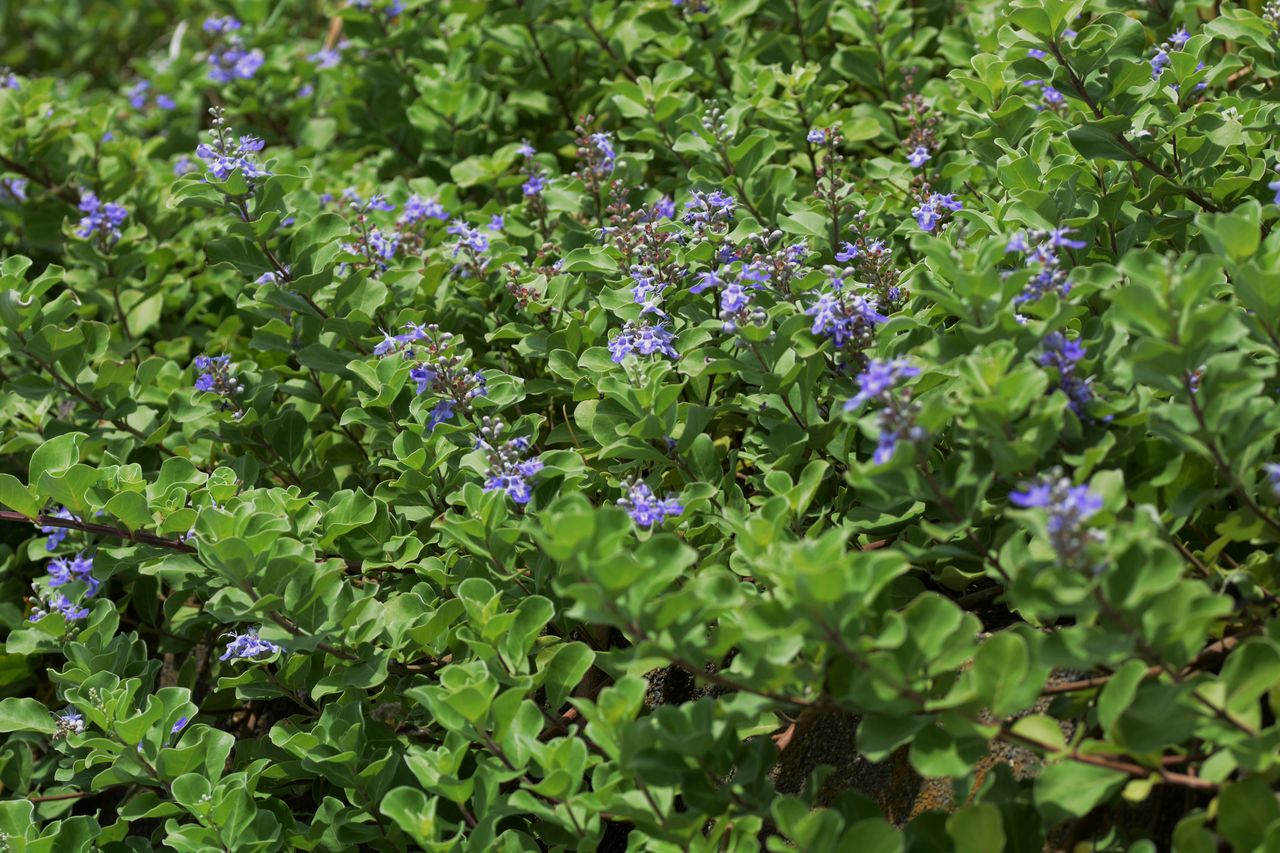
Originally introduced from Korea, beach vitex (Vitex rotundifolia) was intended to help protect beaches from erosion. However, it quickly became a menace due to its rapid growth. This low-growing woody shrub thrives in harsh conditions like dunes and produces clusters of purple flowers in May. Its aggressive nature makes it difficult to control once established.
02 of 12: Bishop’s Weed
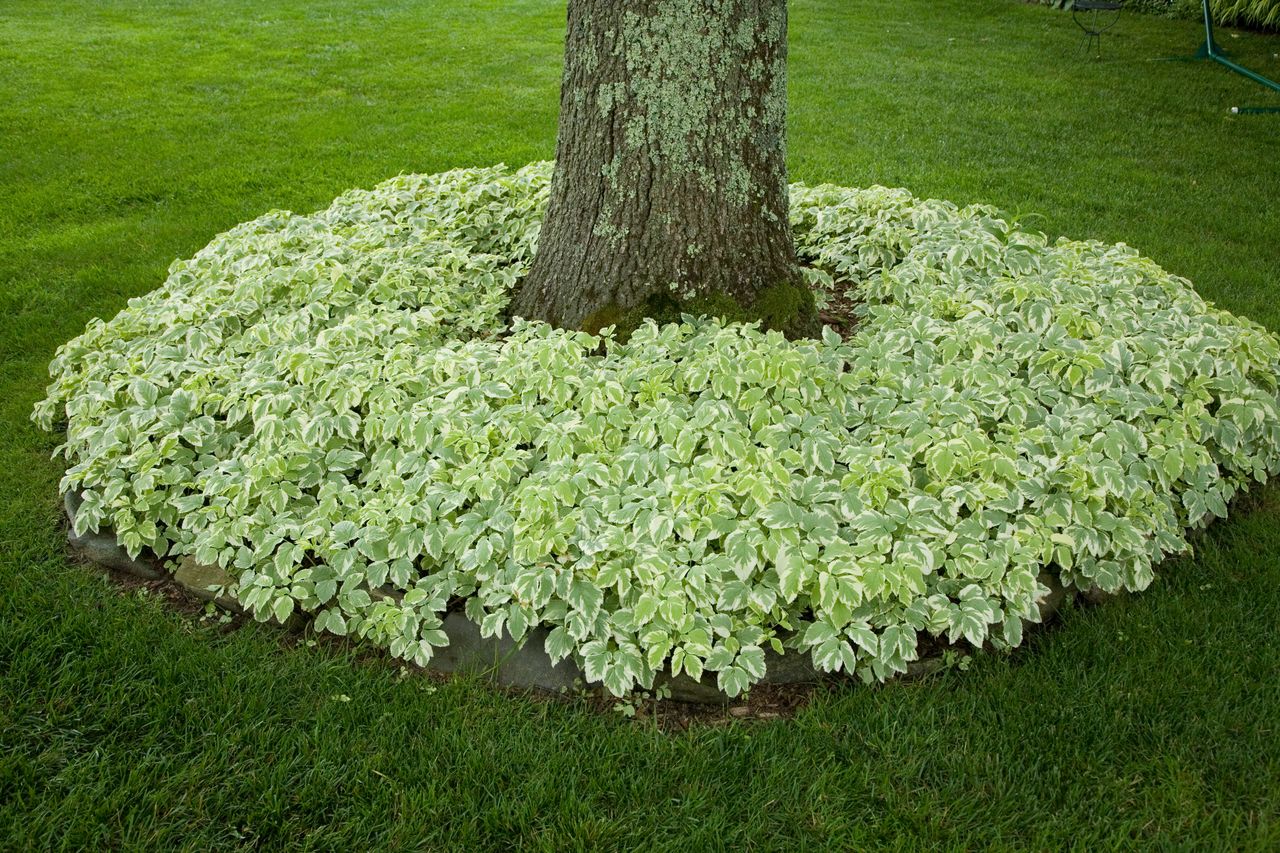
Also known as goutweed, bishop’s weed (Aegopodium podagraria) forms a dense mat of variegated green and white foliage. While it is effective at suppressing weeds, it spreads too aggressively to be useful in any landscape. When it escapes into the wild, it displaces native species and inhibits the growth of conifers and other trees.
03 of 12: Chameleon Plant
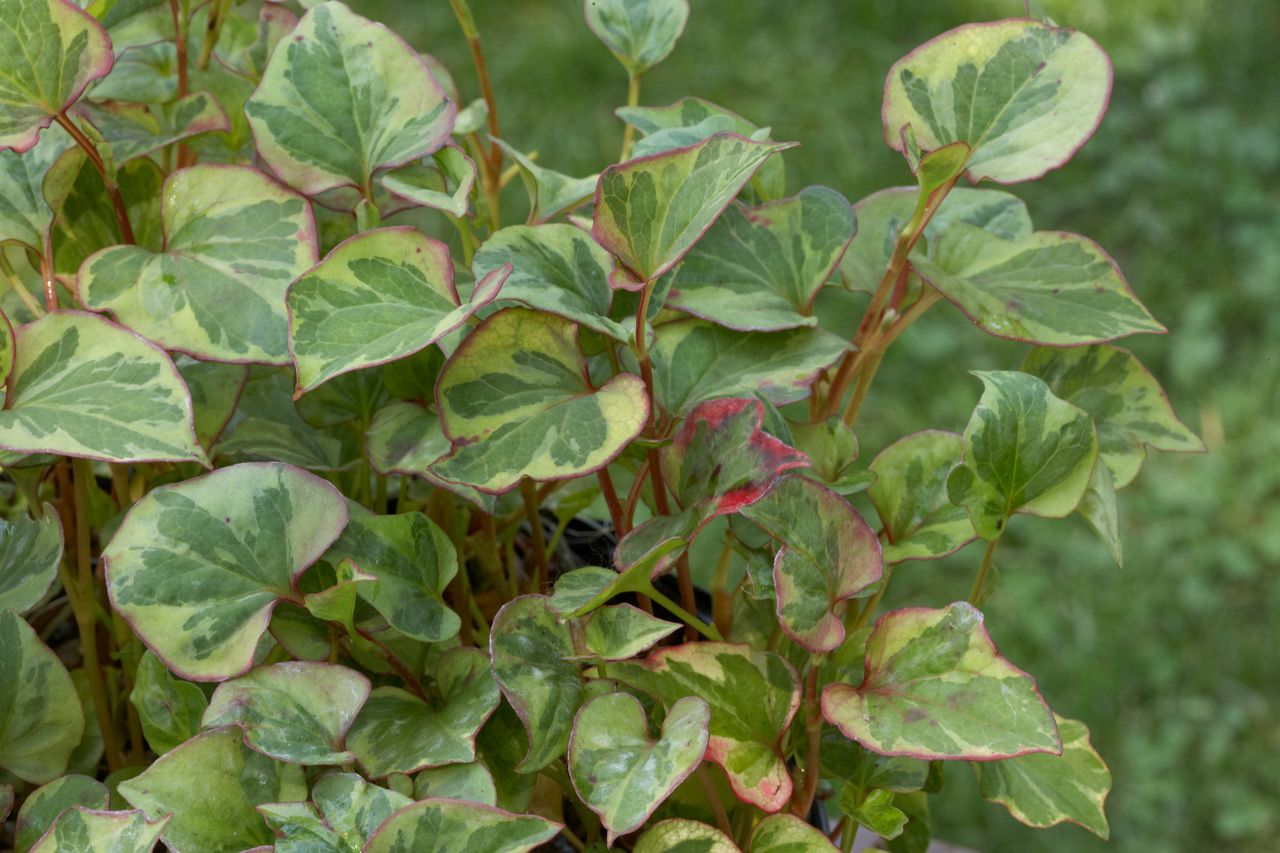
Chameleon plant (Houttuynia cordata), native to Southeast Asia, has heart-shaped leaves on spreading stems that stand 1 to 2 feet tall. It thrives in shade and moist soil but grows anywhere. Once established, it is nearly impossible to remove. Even the smallest root left in the soil will regrow quickly.
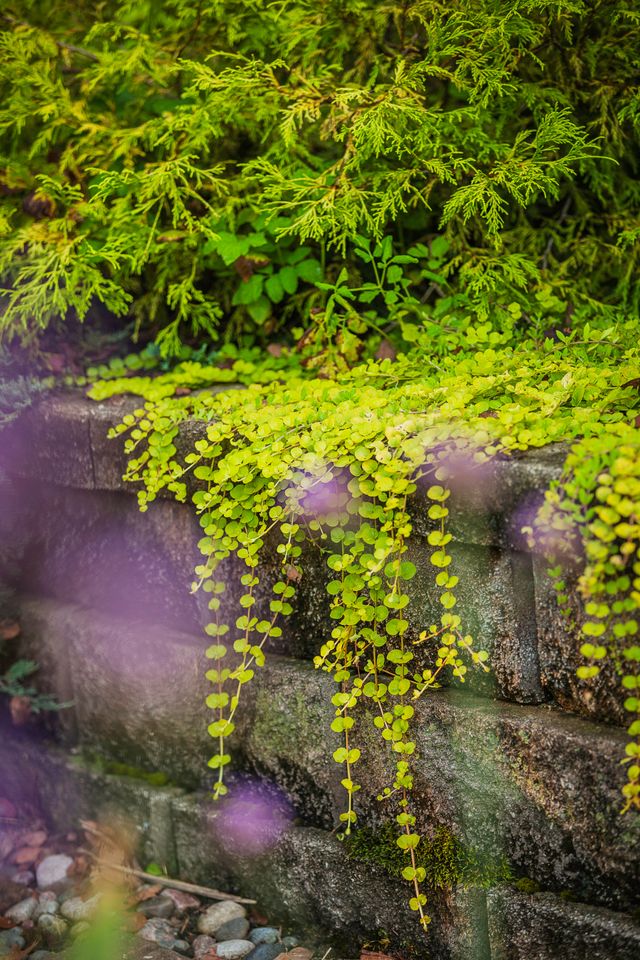
04 of 12: Creeping Jenny
Creeping Jenny (Lysimachia nummularia), native to Europe and Asia, was introduced as an ornamental groundcover but has since escaped into native areas where it becomes an ecological threat. Its slender stems branch out and form roots wherever the leaf nodes touch the soil, causing it to grow out of bounds quickly.
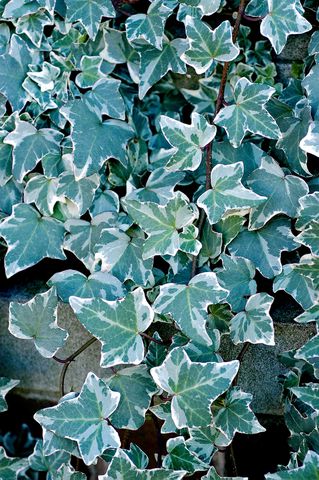
05 of 12: English Ivy
English ivy (Hedera helix) is an evergreen vine that forms a thick blanket of foliage at ground level. It overpowers nearby plants, including trees, by scrambling up them and shading their branches. Its waxy leaves make it resistant to herbicides, and any piece of root will resprout. If you like the look of English ivy, it’s best to grow it as a houseplant.
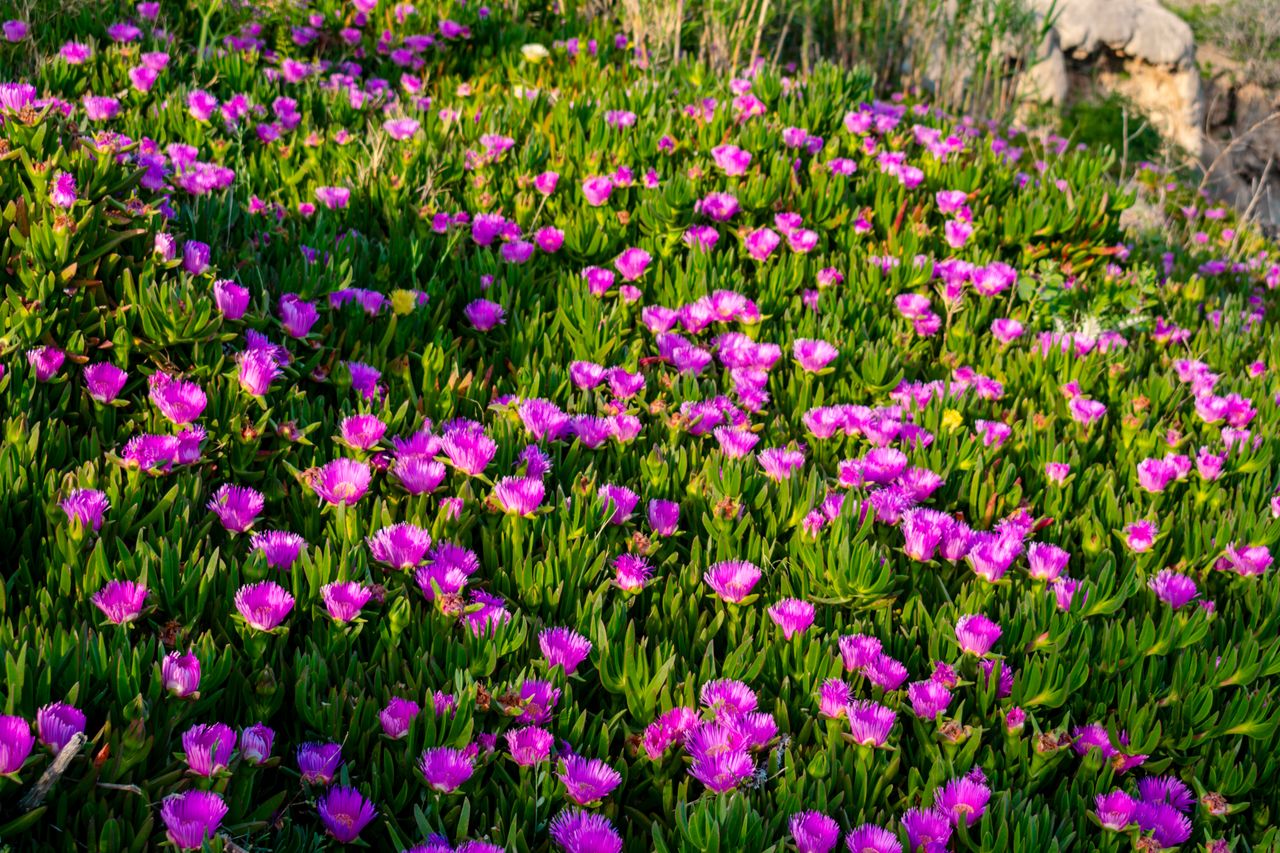
06 of 12: Ice Plant
The ice plant (Carpobrotus edulis) is not to be confused with the well-behaved hardy ice plant (Delosperma cooperi). This plant is problematic in temperate and tropical regions (Zones 8–11), especially in California, where it displaces native species. Birds carry its seeds into natural areas, leading to dense mats of foliage.
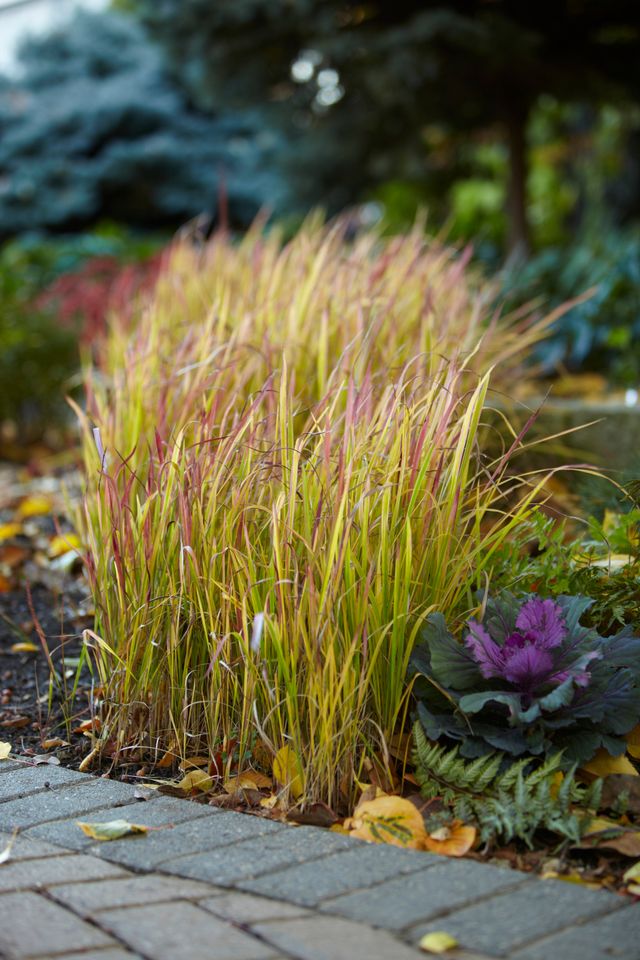
07 of 12: Japanese Bloodgrass
Japanese bloodgrass (Imperata cylindrica) has striking red foliage that lures gardeners into planting it. However, it is considered one of the worst weeds globally and is listed on the USDA’s Noxious Weed List. Although the red cultivar ‘Rubra’ is not invasive, it often reverts to the highly invasive green form, which can grow up to 4 to 5 feet tall.
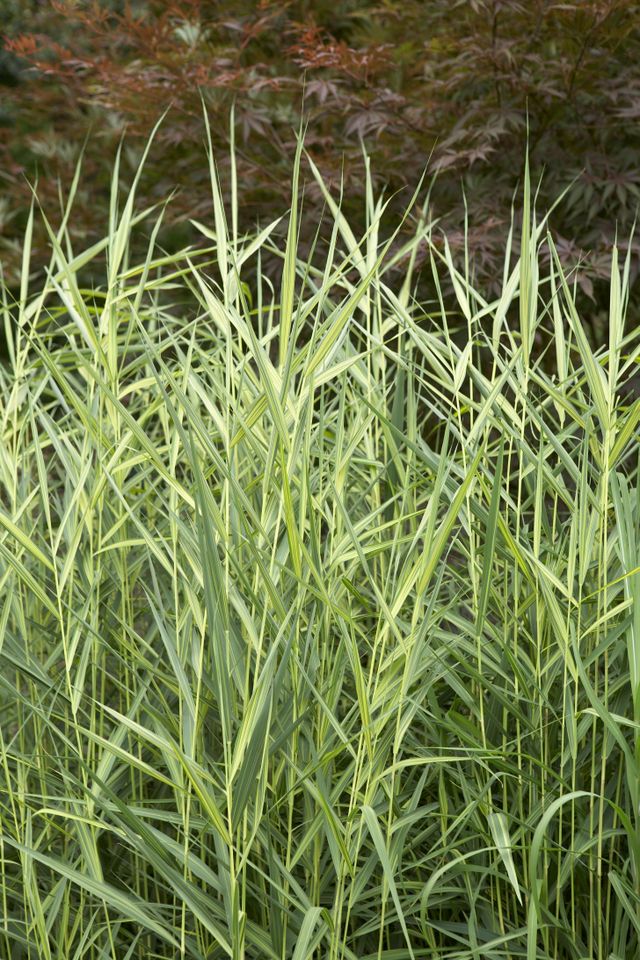
08 of 12: Ribbon Grass
Ribbon grass (Phalaris arundinacea) grows quickly and is often planted to prevent erosion. However, its fine and dense root system makes it almost impossible to remove once established. It forms a tall groundcover that spreads uncontrollably.
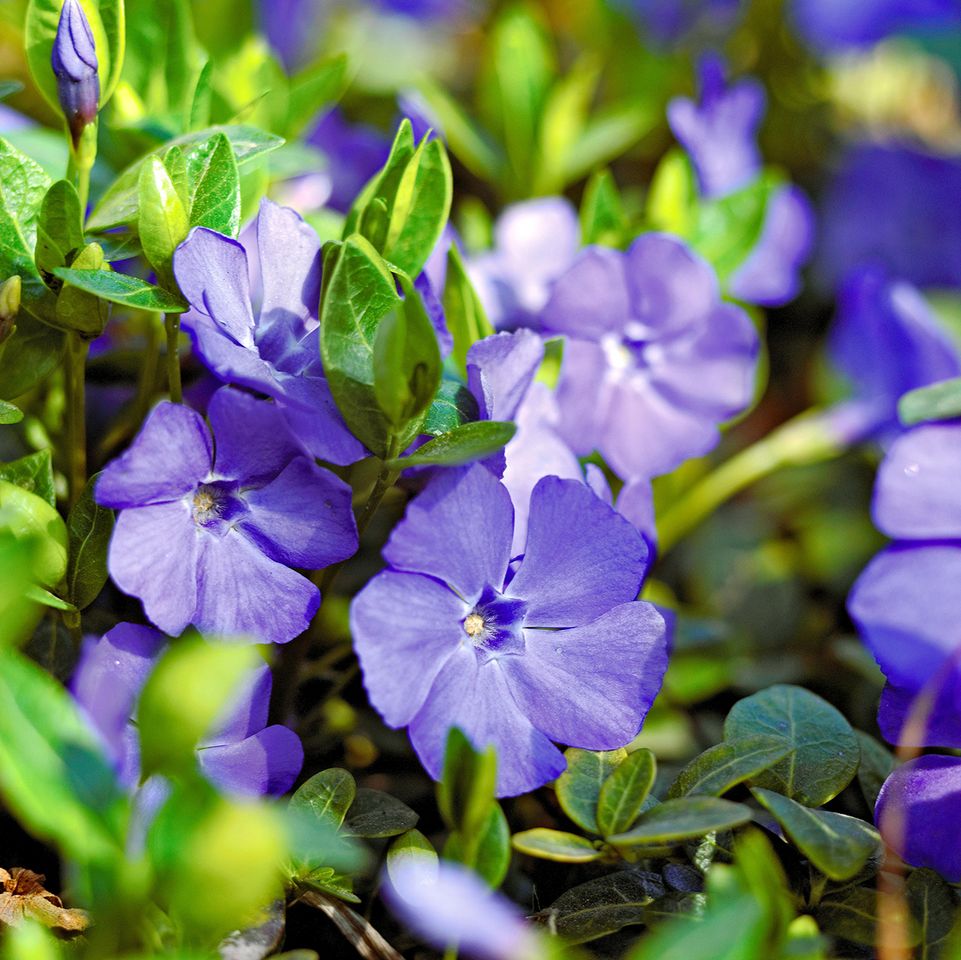
09 of 12: Vinca
Vinca (Vinca minor), also known as periwinkle, has glossy, evergreen foliage and purple or white flowers in spring. While it appears well-behaved in home landscapes, it frequently escapes and chokes out wildflowers and native plants. Avoid planting it to reduce the risk of invasiveness.
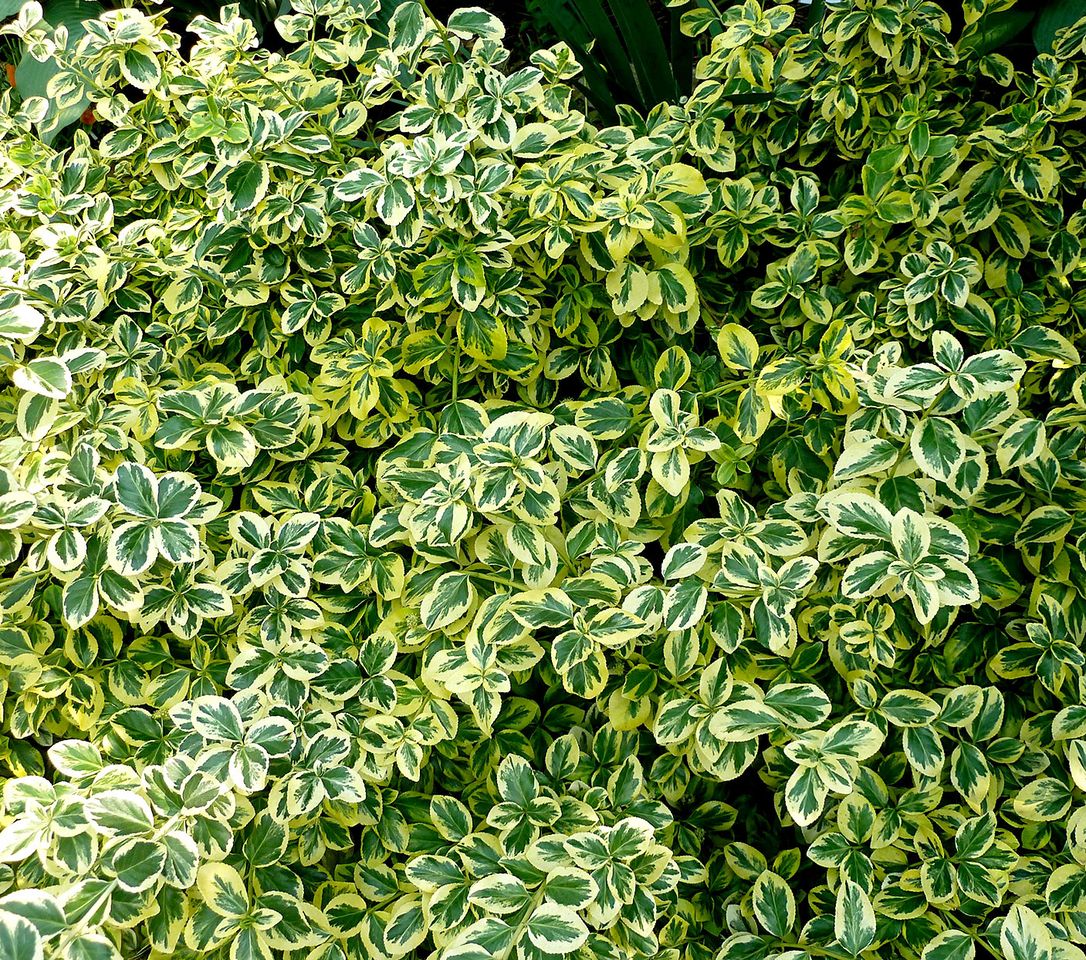
10 of 12: Wintercreeper
Wintercreeper (Euonymus fortunei) is a tenacious evergreen vine that thrives in poor or good soil and sun or shade. It forms a dense mat of foliage that destroys every plant in its path. It also climbs trees with abandon and is nearly impossible to eradicate.
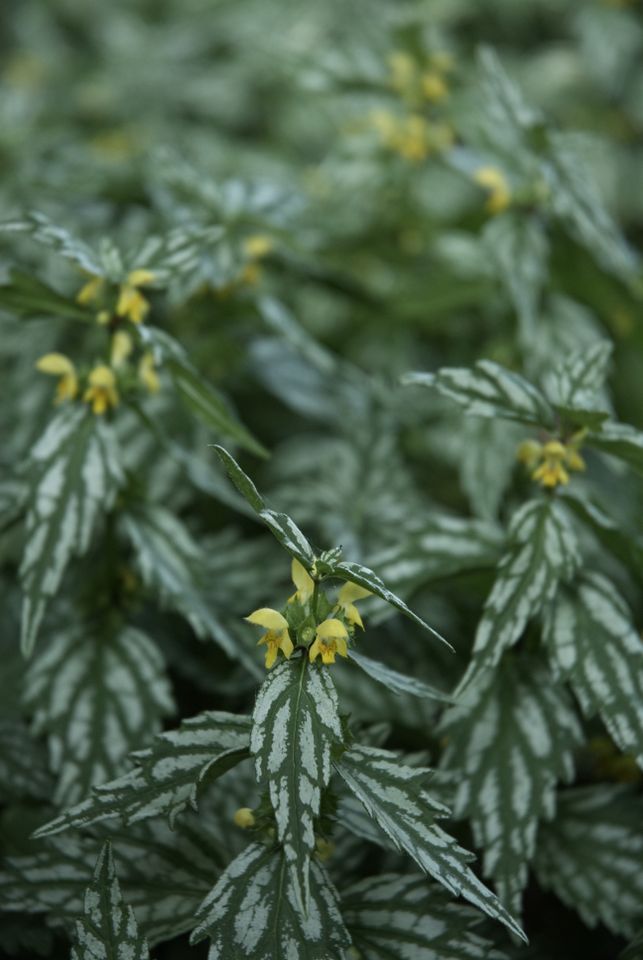
11 of 12: Yellow Archangel
Yellow archangel (Lamium galeobdolon), a member of the mint family, spreads quickly and grows about 2 feet tall with yellow flower spikes in early summer. Its stems root wherever they touch the ground, making it an aggressive, weedy plant that chokes out native species, particularly in the Pacific Northwest.
12 of 12: Japanese Pachysandra
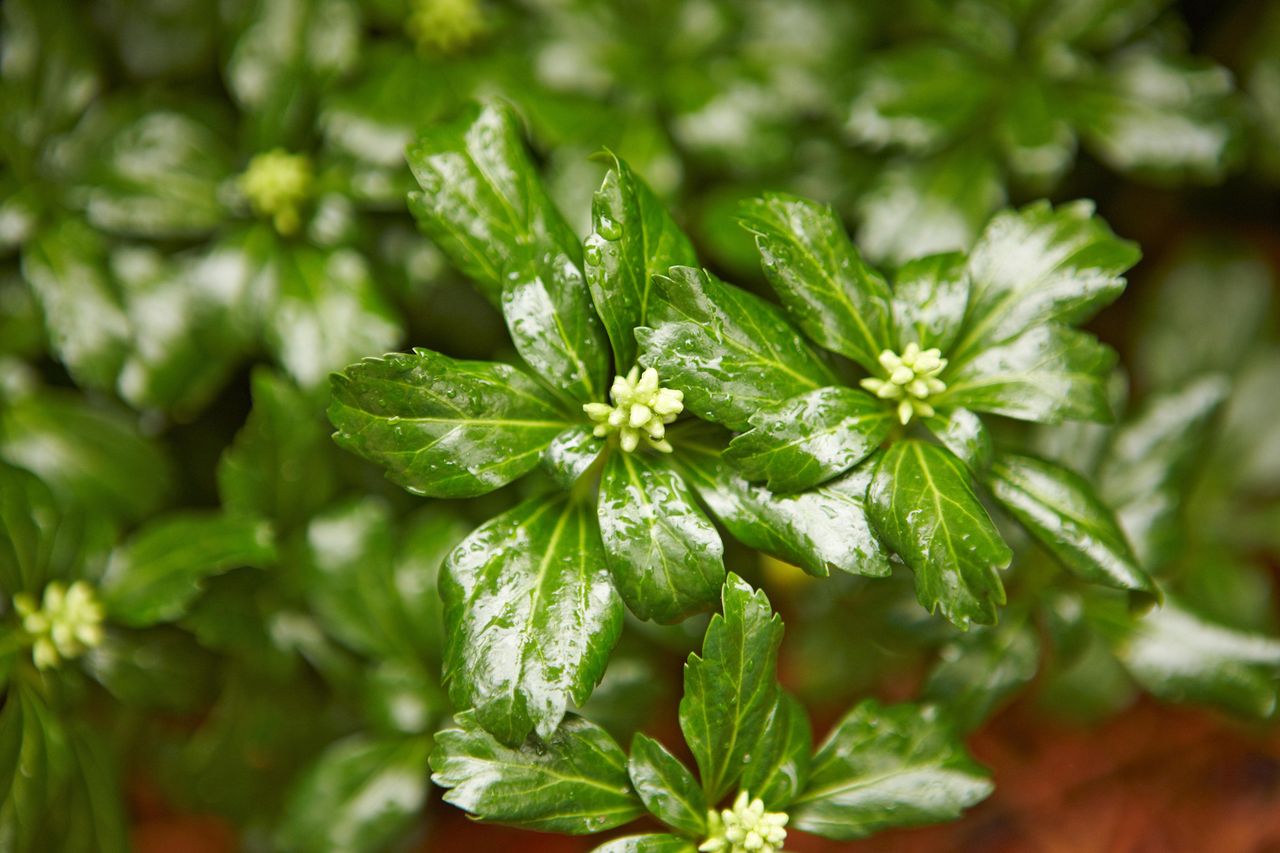
Japanese pachysandra (Pachysandra terminalis) grows in shade and dry, crumbly soil, providing lush cover where other plants refuse to grow. However, it is so tenacious that it spreads far beyond its initial planting area, destroying the ecosystem. Native sedge grasses (Carex spp.) are excellent, non-invasive alternatives.
Non-Invasive Groundcover Alternatives
Instead of using invasive plants, consider non-invasive groundcovers that provide similar benefits without the risk. Options include wintergreen, golden star (Chrysogonum virginianum), and barren strawberry. These plants prevent weeds, cool the root zones of nearby plants, and protect the soil from erosion while being less aggressive and easier to manage.