The 2027 General Elections: A Campaign of Concerns and Hopes
As the campaigns for the 2027 general elections begin following the signing of the Peace Accord last week, there are fears over the likelihood of the exercise snowballing into brinkmanship. Specifically, there are concerns that the contest could descend into an increasingly bitter and divisive struggle, with hate speech, ethnic profiling, misinformation, and political violence threatening to overshadow the issues that matter most to Nigerians.
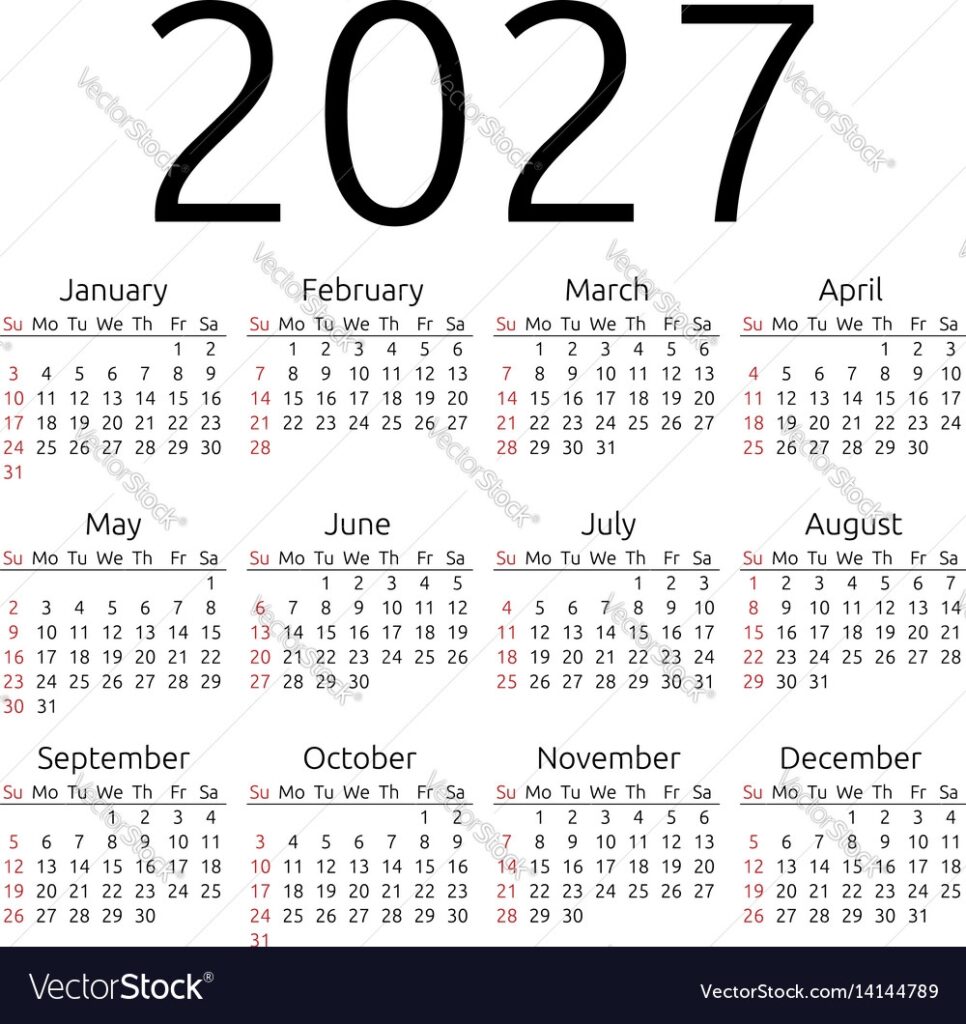
The presidential and National Assembly campaigns officially commenced on Tuesday, August 19, 2026, and would run until January 15, 2027, exactly 24 hours before the presidential and National Assembly elections scheduled for January 16, 2027. Also, the governorship and state House of Assembly campaigns would commence on September 9, 2026, and end on February 5, 2027, ahead of the elections scheduled for February 6, 2027.
Last week, some presidential candidates signed the National Peace Accord, thereby committing themselves to peaceful conduct and issue-based campaigns ahead of the elections. The accord, facilitated by the National Peace Committee and supported by the Kukah Centre, is expected to serve as a framework for responsible political engagement as the parties and their candidates intensify mobilisation across the country.
Presidential candidates who signed the Peace Accord include Mr Peter Obi of the National Democratic Congress (NDC), Prince Adewole Adebayo of the Social Democratic Party (SDP), and Mr Omoyele Sowore of the African Action Congress (AAC). President Bola Tinubu, who is the presidential candidate of the All Progressive Congress (APC) in the January 2027 election, was represented at the occasion by the Secretary to the Federal Government, Mr George Akume, while the candidate of the African Democratic Congress (ADC), Alhaji Atiku Abubakar, simply stayed away without offering an explanation for his action.
Tinubu, Atiku, and Obi are widely believed to be the main candidates in the presidential election. Significantly, Atiku just recently dragged Tinubu to court over his qualifications for the election, alleging that, contrary to his claims in the forms submitted to the Independent National Electoral Commission (INEC), the president never participated in the National Youth Service Corps (NYSC). The NDC candidate is also pursuing a case in the United States (U.S.) in which he is asking the FBI to release details of a drug case in which Tinubu forfeited some funds to the country’s government.
This appears to be a replay of the 2023 episode in which both candidates in the then-presidential election resorted to personal attacks. For Atiku and Obi, their supporters have resorted to a bitter struggle in support of their candidates.
Election Cycles and Apprehensions
Meanwhile, apprehension, according to findings by Sunday Vanguard, is rooted partly in the experience of previous election cycles, particularly the 2011, 2015, and 2023 presidential elections, when political rhetoric frequently took on ethnic, religious, violent, and regional dimensions. Nigerian election campaigns have also repeatedly been criticised for being driven more by personality attacks, ethnic and religious mobilisation, defections, and political calculations than by sustained debates on competing policies and programmes.
For instance, last week’s governorship election in Osun State wasn’t an exception, as no fewer than 40 people were reportedly killed in the pre-election period. This is why, in various conversations with Sunday Vanguard, key stakeholders in the electoral process, including Civil Society Organisations (CSOs), lawyers, and regional groups, among others, cautioned political parties, candidates, and their supporters against hate speech, ethnic profiling, and violence, urging them to make the 2027 contest a battle of ideas focused on the economy, security, unemployment, education, healthcare, and other issues affecting Nigerians.
Social Media Weaponization
Speaking on the matter, President, Centre for Change, Dr Joe Okei Odumakin, said though she remains worried about hate speech, ethnic, and religious profiling, her greatest fears are the weaponisation of social media. She said:
“My greatest concern ahead of the 2027 general elections is the possibility of political competition degenerating into hate speech, ethnic and religious profiling, misinformation, character assassination, and violence. Elections should be a contest of ideas, policies, competence, and character, not a war between ethnic or religious groups. We must reject narratives portraying any ethnic group or region as an enemy simply because of its political preference.”
She, however, said Nigerians should be allowed to choose their leaders without intimidation or discrimination. Odumakin said:
“Nigeria belongs to all of us, and every citizen must be free to support any candidate or political party without intimidation or discrimination. I am particularly worried about the weaponisation of social media, where false information, manipulated videos, and inflammatory statements can spread within minutes and create tension in communities. Political leaders, their supporters, influencers, and the media must, therefore, exercise responsibility. Candidates should challenge the records and policies of their opponents rather than resort to mudslinging and unsubstantiated allegations. Security agencies and relevant institutions must also respond promptly to credible threats and ensure that political actors do not turn their supporters into instruments of violence.”
Ethnic Hatred and Religious Division
Similarly, Country Director, ActionAid Nigeria, AAN, Dr Andrew Mamedu, expressed worries, saying most times, politicians leave the main issues that would woo voters for their election to ethnic hatred, religious division, hate speech, violence, among others. Mamedu said:
“My concern is not that Nigerians will disagree politically; that is normal in a democracy. My concern is when political competition is deliberately converted into ethnic hatred, religious division, hate speech, misinformation, and violence. Nigeria has already paid too high a price for politics that tells citizens they should fear one another because of where they come from, their faith, or the candidate they support.”
Familiar Incidents of Politics
For his part, General Secretary of Afenifere, Chief Ademola Folarin, said he has no fears over the 2027 general elections, noting that Nigerians are already used to personal attacks and others. Folarin said:
“I have no fears at all. Nothing new or extraordinary is expected. The candidates are the same, the issues are the same, the polity remains unchanged. We’re in a familiar territory. Hate speech, ethnic profiling, are familiar incidents of our politics. We can’t fear what we’re already used to. Will they occur in the electioneering campaigns, yes. Will they have significant or unusual impact, most unlikely.”
Politicians Must Eschew Hatred
Also, Yoruba Council of Elders, YCE, said though Nigerians are getting wiser, politicians must desist from campaigns capable of leading to the disintegration of the country. YCE Secretary, Chief Oluwole Oladipo, said:
“Officially, campaigns have been allowed for general elections in Nigeria, coupled with political parties registered by INEC. That being so, the players are once more allowed to approach the electorate to make their promises and commitments as they always do. Be that as it may, the citizenry is getting wiser and obviously refusing the imposition of leadership on them, particularly as demonstrated by the outcome of the recent governorship election in Osun State, where the masses did their thing the way they wanted.”
Necessary Measures to Curb Violence
Lending his voice, a human rights lawyer, Toluwa Odekhe, said:
“As campaigns for the 2027 general elections officially opened on August 19, 2026, the warning signs are already visible, not hypothetical. Ethnic weaponisation online is already active, not anticipated. Analysts tracking social media found posts that explicitly threatened ethnically-targeted violence in Lagos ahead of 2027, referencing a real attack from the 2023 elections.”
Past Campaign Patterns Expected to Replay
Expressing his worries, lawyer and public affairs analyst, Patrick Onoja, said:
“As campaigns for the 2027 general elections commence, I approach the season with hope, but also with four clear fears. These fears are not abstract. They are drawn from what we saw in 2015, 2019, and most recently in 2023. If left unchecked, they can undermine the credibility of the polls and the unity of the country.”