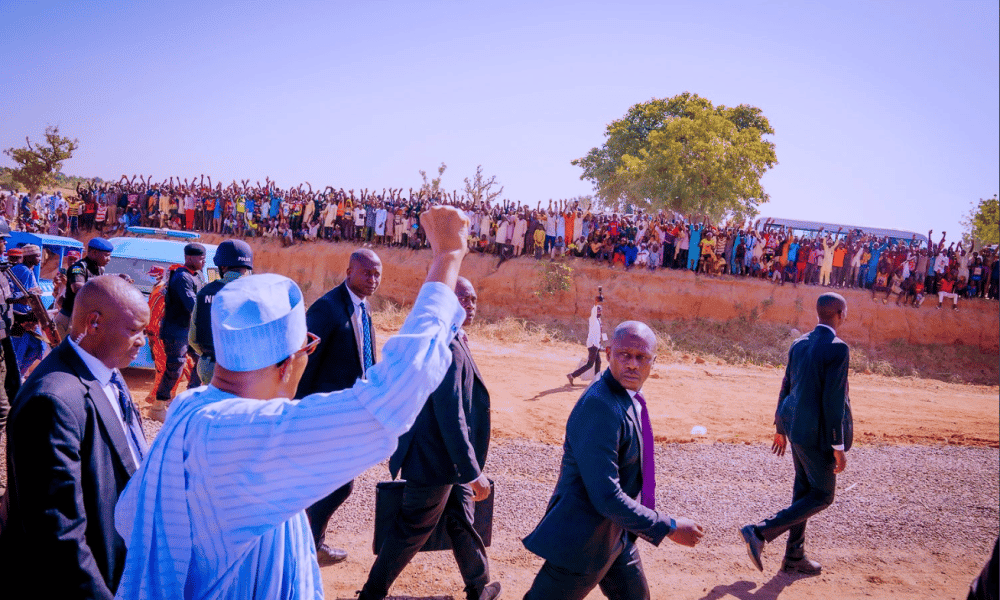
A Historic Visit and the Promise of Oil in Kolmani
On November 22, 2022, a momentous event took place in the remote village of Kolmani, located between Gombe and Bauchi State. This was the visit of then President Muhammadu Buhari, who flagged off oil exploration in the area, marking the first such initiative in northern Nigeria. The village is part of the Pindiga Emirate Council in Akko Local Government Area of Gombe State, with an estimated population of 4,770 people spread across five villages: Tai, Gagara Bami, Dumbe, Kaltangan Gizimawa, and Kaltangan Malam Gambo.
The significance of this event was underscored by the potential of the Kolmani fields, which are said to hold over a billion barrels of crude oil. This discovery could significantly boost Nigeria’s oil reserves, which have remained stagnant for a decade. According to reports, the project has attracted over $3 billion in foreign direct investment, and it was hailed as a milestone for the country’s energy industry, with the potential to produce 50,000 barrels per day.
During his speech, Buhari commended the Nigerian National Petroleum Company Limited (NNPCL) and its partners for the successful discovery of oil and gas in the Kolmani River Field. He emphasized the project’s importance in achieving energy and financial security, as well as promoting socioeconomic development. The then president described the day as a significant moment in the economic history of the country, heralding the production of oil and gas in the Upper Benue Trough.
A Production Sharing Contract and Strategic Partnerships
The Kolmani Integrated Development Project is governed by a Production Sharing Contract (PSC), with the NNPC serving as the concessionaire of the blocks. The contracting parties include the NNPC Exploration and Production Limited (NEPL) and the New Nigeria Development Company (NNDC). Additionally, the African Oil Movers Limited (AOML) Consortium signed a strategic partnership with the contractors to provide funding and technical capabilities for the integrated oil and gas development project. They would be compensated from the contractor’s oil profit after operations commence.
An in-situ integrated development plan ensures the evacuation and monetization route for the hydrocarbons in the location, eliminating the high cost and burden of building crude and product pipelines.
Excitement Among Residents
During the November 2022 visit, the residents of Kolmani and surrounding villages were filled with excitement. They believed that the sight of prominent figures, including governors, ministers, and even the then presidential candidate of the All Progressives Congress (APC), Bola Ahmed Tinubu, signaled a new era of prosperity. The optimism extended beyond the local community, with many in the northeastern part of the country seeing the project as a breakthrough for the region.
Residents hoped that the project would break the perceived “parasitic” status of the region, allowing it to contribute significantly to the Federal Accounts Allocation Committee (FAAC) alongside the Niger Delta region.
Disappointment and Concerns
However, three years after the initial excitement, communities around the Kolmani oil fields expressed disappointment and feeling abandoned. Reports indicate that the oil drilling rig was dismantled and moved out of the area, raising concerns among the host communities. Heavy trucks loaded with equipment were observed moving along the 22-kilometre unpaved road, leading to worries about the project’s future.
Inspection and Calls for Transparency
In response to the growing concerns, a joint delegation from Gombe and Bauchi states visited the Kolmani oil fields to assess the ongoing exploration activities. The delegation included officials from both states, who engaged in discussions with the company managing the project. They requested updates on the progress and urged for transparency and accountability in project management.
The commissioners emphasized the need for regular and transparent progress reports to address the prolonged silence and sluggish updates. They stressed the importance of collaboration with all stakeholders to ensure the project’s completion and to mitigate revenue leakages.
Hope for the Future
Despite the challenges, residents remain hopeful. The district head of Kolmani, Muhammadu Magaji Ibrahim, expressed confidence that development would eventually reach the community. He highlighted the improvements brought by the project, including a 22-kilometre unpaved road, boreholes for clean water, and a 20-bed capacity hospital.
Ibrahim assured the community that the rig removed would be replaced, and work on the oil fields would continue. He also emphasized the commitment of the governor and the need for patience as the project progresses.


