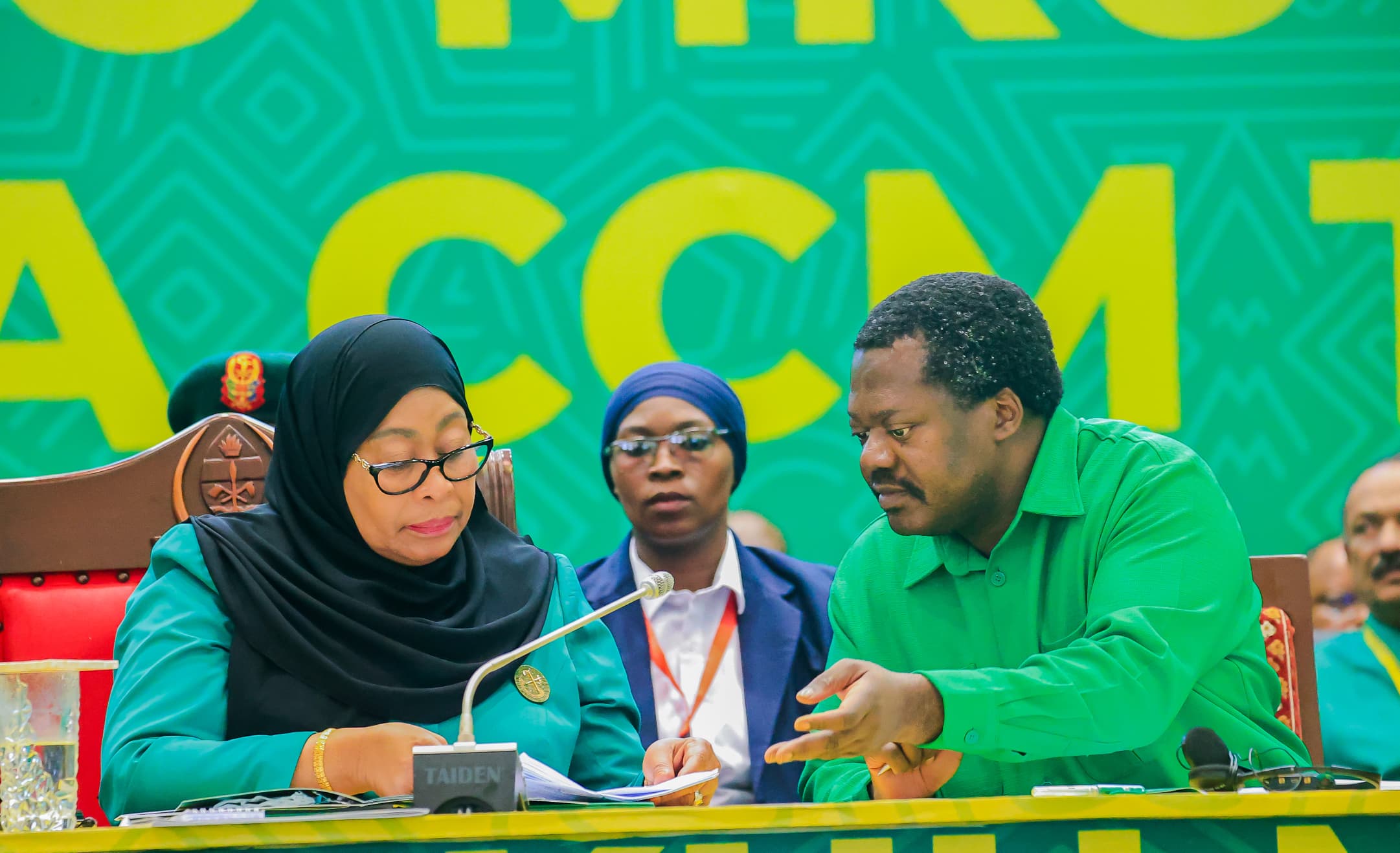
Political Landscape in Tanzania Ahead of the October 29 Elections
Tanzania is preparing for its upcoming elections on October 29, with a general consensus that President Samia Suluhu Hassan is poised to retain her position. The ruling party, Chama Cha Mapinduzi (CCM), is expected to dominate the electoral landscape, facing minimal challenges from minor parties. However, the election environment is marked by rising tensions and concerns over the government’s control over the outcome.
The political climate has been shaped by a clampdown on opposition voices and critics, which many believe ensures a favorable result for the ruling party. Despite this, voter apathy is also growing, with many citizens feeling their votes are irrelevant. Mariam Yusuf, a fruit seller in Dar es Salaam, expressed this sentiment: “Why waste my time by going out to vote when I know for a fact that my vote won’t matter?”
Concerns Over Repressive Measures
There are growing concerns about the use of state apparatus, particularly security and law enforcement agencies, to suppress dissent before the election. Post-election demonstrations are feared, as messages of protest have gained traction through graffiti and social media. Authorities have responded with warnings of heavy-handed action against any signs of unrest.
President Samia has reinforced this stance, stating at public rallies that “we will brook no nonsense on election day.” She urged voters to come out, vote, and return home, emphasizing the presence of security forces monitoring movements.
Impact on Tanzania’s Future
The election’s outcome will significantly influence Tanzania’s political and economic trajectory. Analysts note that while President Samia showed initial reformist tendencies after inheriting the presidency from the late John Magufuli, she faces the challenge of proving herself as a legitimate leader.
Alex Karugendo, a political observer, remarked, “She showed encouraging signs of being a truly reformist leader, unlike Magufuli, when she inherited the seat from him after his sudden death in 2021. But she has also had to deal with that unwanted tag of being an ‘accidental’ president.”
International Criticism and Diplomatic Concerns
The handling of the election has drawn international criticism, with human rights organizations highlighting alleged violations such as arbitrary arrests and enforced disappearances. Representatives like Gregory W. Meeks have called for transparency and respect for democratic principles.
The European Union and United Nations have also expressed concerns, pointing to the continued detention of opposition leader Tundu Lissu. Diplomatic missions from various countries, including the EU, have been granted observer status, aiming to ensure credible and democratic polls.
Electoral Commission and Opposition Challenges
The Independent National Electoral Commission (INEC) has faced scrutiny for its perceived alignment with the ruling party. The agency barred Chadema from fielding candidates and declared other opposition figures ineligible, leading to a lack of meaningful competition.
While CCM is expected to maintain its majority in the National Assembly, constitutional stipulations ensure some opposition representation in key committees. This could lead to a tight race in certain constituencies and special seats.
Legal Developments and Ongoing Trials
The treason trial of Tundu Lissu took a new turn when the High Court upheld his objections to video evidence and a forensic report. This ruling weakened the prosecution’s case, though Lissu remains in prison.
Chadema officials are still awaiting updates on the arrest of deputy chair John Heche, who was detained after attempting to cross into Kenya for a funeral. The incident highlights ongoing tensions and potential repercussions for opposition figures.
Conclusion
As the election approaches, the focus remains on the implications for Tanzania’s future. The outcome will not only shape the country’s political direction but also determine its standing on the global stage. With international observers and domestic concerns, the coming days will be critical in assessing the integrity of the democratic process in Tanzania.


