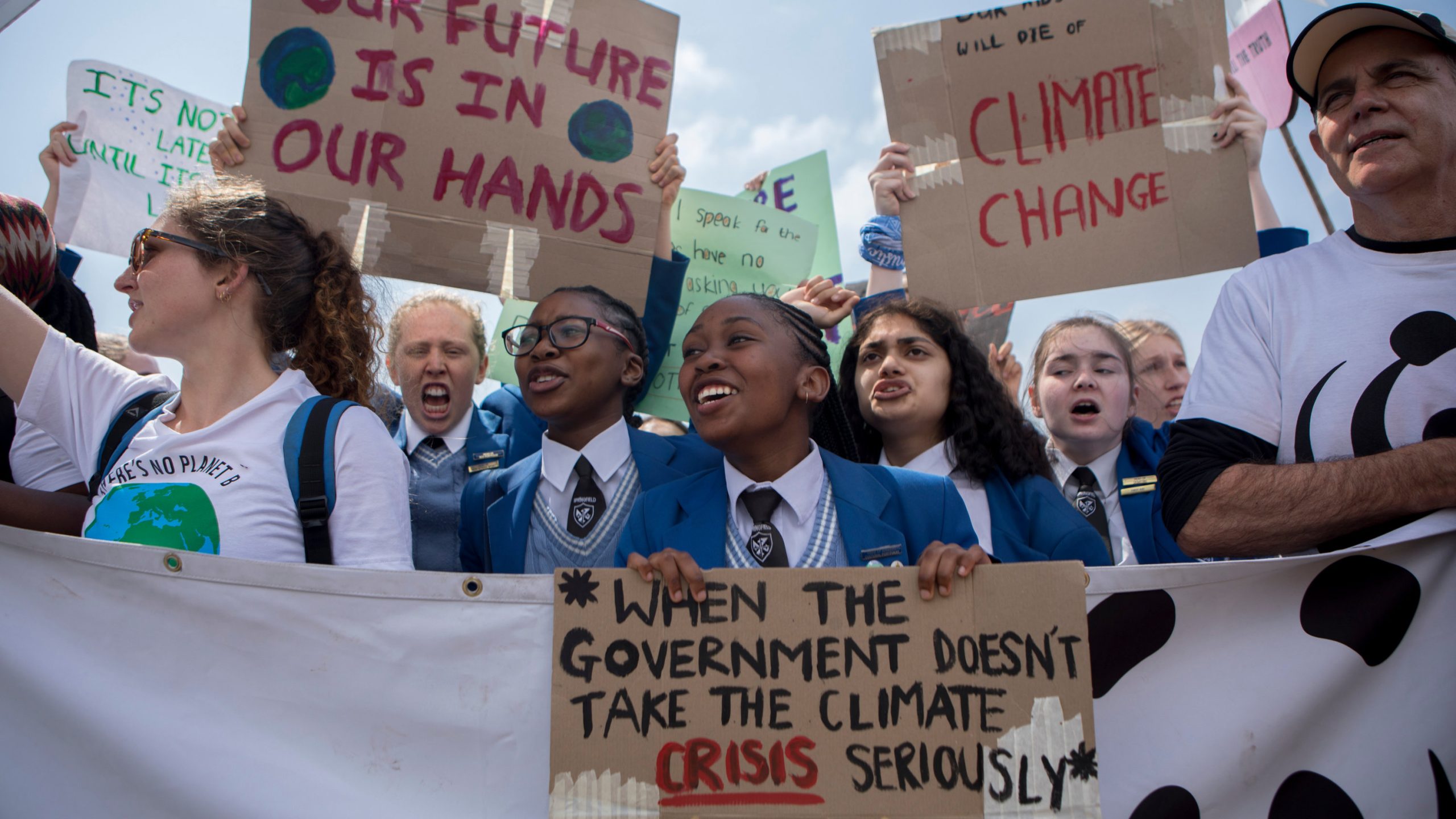
Youth-Led Protests Across the Globe
Young people around the world are increasingly taking to the streets, driven by a desire for change and demanding better governance. These movements, often organized through social media platforms like Facebook, TikTok, Instagram, and YouTube, have become powerful tools for mobilization and awareness. While some protests remain peaceful, others have turned violent, reflecting the deep-seated frustrations of these young activists.
In recent months, several countries have witnessed significant youth-led demonstrations, each with its unique context and challenges. Here are three notable examples:
Peru: Pension Reforms and Public Outrage
In Peru, hundreds of young people marched in the capital, Lima, in late September against the government’s introduction of pension reforms that require young Peruvians to pay into private pension funds. The movement gained momentum when transport workers joined the protests, marching towards Congress in the center of Lima.
On September 29, during a protest organized by a youth collective called Generation Z, crowds threw stones and petrol bombs at the police, who responded with tear gas and rubber bullets, injuring at least 18 protesters. This violence came amid growing discontent over the government’s policies and the president’s actions.
Peru’s president, Dina Boluarte, faced criticism after she issued a decree doubling her salary despite her historically low approval rating of only 2%. This move was widely seen as “outrageous” by many observers on Peruvian social media. Young people in Peru are grappling with job insecurity and high unemployment, while many feel the government is not doing enough to combat extortion by gangs, corruption, and rising insecurity.
Reports of extortion in Peru have increased sixfold over the past five years. Figures released by Peru-based market research company Datum Internacional in 2024 suggest around 38% of Peruvians have reported knowing about cases of extortion in their area. These issues have fueled further anger, leading to calls for Boluarte’s resignation.
On October 9, after weeks of demands, lawmakers in Peru voted to remove Boluarte from office. New elections are due to be held in April 2026.
Morocco: Gen Z 212 and Public Services
An anonymous collective of young people called Gen Z 212 has been at the center of protests that have spread across ten Moroccan cities since September 27. The group has organized and coordinated demonstrations through TikTok, Instagram, and the gaming and streaming platform Discord. Membership of Gen Z 212 on Discord grew from fewer than 1,000 members at its launch on September 18 to more than 180,000 by October 8.
The movement began in August after eight women died while receiving maternity care in a public hospital in Agadir, sparking outrage over the state of public services in the country. World Bank statistics from 2023 indicate there are only 7.8 doctors in Morocco for every 10,000 people—far below the 23 doctors for every 10,000 inhabitants recommended by the World Health Organization.
At the same time, Morocco is spending US$5 billion (£3.7 billion) to build the world’s biggest football stadium, as part of its preparations to co-host the 2030 World Cup with Portugal and Spain. Moroccans see their government as having got its priorities wrong. Crowds have chanted slogans such as “We want hospitals, not football stadiums.”
Police have responded to these protests by arresting hundreds of people, with clashes becoming violent in some parts of the country. Three people were killed on October 1 in what authorities described as “legitimate defense,” after protesters allegedly tried to storm a police station in the village of Lqliâa, near Agadir.
Morocco’s prime minister, Aziz Akhannouch, has invited Gen Z 212 to participate in dialogue with his government, and the group has shared a list of demands focused on basic needs such as education, healthcare, housing, transportation, and jobs. However, the protest movement has continued.
Madagascar: Political Unrest and Calls for Change
At least 22 people were killed and more than 100 injured in anti-government protests across Madagascar in the first week of October. These protests were coordinated by an online movement known as Gen Z Mada, although labor unions, civil society organizations, and several politicians became involved once the protests began.
The movement was sparked by the arrest of two Malagasy politicians, Clémence Raharinirina and Baba Faniry Rakotoarisoa, on September 19. Both had publicly called for citizens to stage peaceful demonstrations in the capital, Antananarivo, against water and power supply problems on the island.
The demonstrations initially focused on shortages of basic necessities, an electricity crisis, unemployment, and corruption. But they soon escalated into calls for the Malagasy president, Andry Rajoelina, to resign. Protesters have held him responsible for the problems facing their country.
Rajoelina attempted to satisfy the protesters by dissolving his government and calling for “national dialogue” with Gen Z Mada. In a speech on state broadcaster Televiziona Malagasy, he said: “We acknowledge and apologize if members of the government have not carried out the tasks assigned to them.” However, this move did not stop the demonstrations.
Rajoelina subsequently appointed Ruphin Fortunat Zafisambo, an army general, as his prime minister and imposed a strict curfew in Antananarivo, with a heavy presence of security forces, in a bid to end the protests. The protesters have vowed to continue their struggle, and at the time of writing, some are still waving flags with the words “Rajoelina out.” Rajoelina has now fled the country after factions of the army rallied behind the protesters.
Global Trends and Implications
In leading the fight against inequality, young people in developing countries are following a well-trodden path. Youth-led protests in Sri Lanka and Bangladesh have both toppled governments in recent years. These movements seem to have encouraged others across the globe to empower themselves and demand more from entrenched elites.


