
The Urgency of Early Diagnosis for Endometriosis
Endometriosis, a gynaecological condition that affects millions of women globally, is often misunderstood and underdiagnosed. It takes an average of nine years for someone to receive a diagnosis after their first visit to a general practitioner (GP). This lengthy delay leaves many women in pain and feeling disbelieved, with no clear path to relief or understanding.
A 2024 report by Endometriosis UK highlighted the struggles faced by those living with the condition. Nearly half of those surveyed reported visiting their GP ten or more times before receiving a diagnosis. The condition causes excruciating pain and can lead to infertility, significantly impacting a woman’s quality of life.
To address this issue, Endometriosis UK has introduced Jess’s Rule, a three strikes and rethink approach aimed at speeding up the diagnostic process. Launched on September 23, 2025, this initiative requires GPs to “reflect, review, and rethink” if a patient presents with the same or escalating symptoms three times without a diagnosis or improvement.
The rule was inspired by the tragic story of Jessica Brady, a 27-year-old who died from stage four breast cancer after her symptoms were repeatedly dismissed by her GP. Her death served as a catalyst for change, emphasizing the need for better recognition and response to persistent symptoms.
Understanding Endometriosis
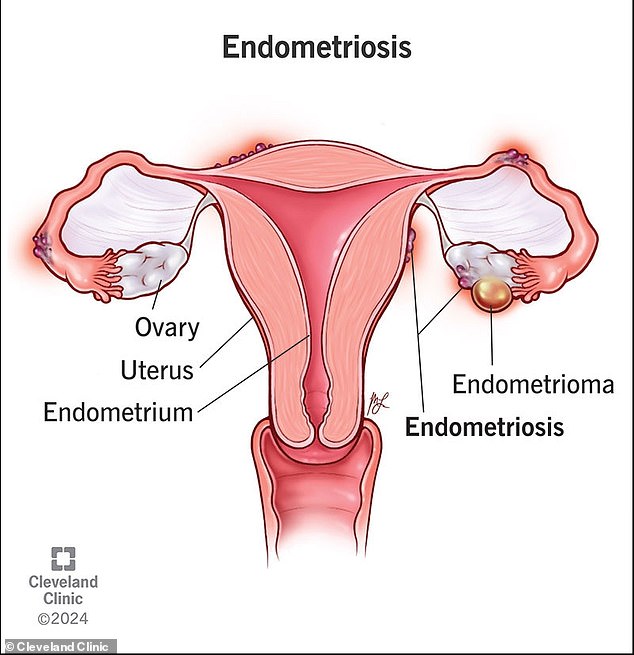
Endometriosis occurs when tissue similar to the lining of the uterus grows outside the womb, affecting areas such as the cervix, bladder, and ovaries. During each menstrual cycle, this rogue tissue thickens and breaks down, leading to inflammation and the formation of scar tissue. This can cause severe pain, especially during menstruation, and may result in infertility due to blocked fallopian tubes or disrupted hormone balance.
For many women, the impact of endometriosis extends beyond physical pain. It can interfere with work, education, and social activities, creating a significant emotional and psychological burden. Despite its prevalence, there is currently no known cure, and treatment options are limited to managing symptoms or surgical interventions to remove the affected tissue.
Personal Stories of Struggle and Hope
In the wake of Jess’s Rule, several women shared their experiences of struggling to get a diagnosis for endometriosis. Their stories highlight the importance of early recognition and the potential benefits of the new initiative.
Elle Courtonel, from Leicestershire, began experiencing debilitating period pain at the age of nine. After 20 years of unexplained symptoms, she was finally diagnosed with endometriosis at 29. She described the long journey as a “mess” and expressed how early diagnosis could have made a difference in her life.
Sofia Jade Spashett, a 12-year-old from Southampton, experienced intense pain during her first period. Despite her efforts to seek help, she was initially told to wait for her body to adjust. It wasn’t until she was 18 that she received a diagnosis, which changed her life in profound ways.
Mini, a 28-year-old from Scotland, endured years of being dismissed by medical professionals. Her symptoms were attributed to other conditions, but eventually, a private scan revealed extensive endometriosis. Her experience underscores the importance of persistence and the need for better support systems.
The Impact of Jess’s Rule
With the introduction of Jess’s Rule, Endometriosis UK hopes to provide much-needed support to those affected by the condition. The organization believes that this initiative can offer comfort to families and friends while encouraging GPs to take persistent symptoms seriously.
As more women share their stories and advocate for better care, the hope is that Jess’s Rule will lead to faster diagnoses and improved outcomes for those living with endometriosis. The goal is to ensure that no one has to endure unnecessary suffering due to a lack of understanding or timely intervention.



Read more about the personal journeys of women affected by endometriosis and the ongoing efforts to improve diagnosis and treatment.


