The Milan-Cortina Olympics: A Winter Spectacle Across Northern Italy
With just 100 days to go, northern Italy is preparing to host the Milan-Cortina Olympics, marking the most geographically dispersed Winter Games in history. This event will showcase the country’s diverse landscapes and cultural heritage, with competitions spread across multiple cities and mountain ranges.
The two primary hubs for the Games are Milan, the industrial heart of northern Italy, and Cortina d’Ampezzo, a luxurious winter resort nestled in the Dolomites. Travelers can expect a full day of travel between these two locations, which are over 400 kilometers (250 miles) apart by road. In addition, athletes will compete in three other mountain clusters, while the closing ceremony will take place in Verona, the largest city in the northeastern Veneto region.
Most of the venues will utilize existing infrastructure, with some requiring renovations or new construction. Here’s a closer look at the key locations that will host the Olympic events:
Milan: A Hub of Sports and Culture
San Siro Stadium: The opening ceremony will be held in this iconic 80,000-seat stadium, home to AC Milan and Inter Milan. It will serve as a final celebration for the historic venue, which is set to be demolished after the Games.
Santagulia Ice Hockey Arena: A new 16,000-seat arena is being built for ice hockey events. Despite delays, organizers are confident it will be completed by the end of the year. Test events have been scheduled for January 9-11, just weeks before the Games begin.
Ice Park: This multi-pavilion complex in Fiera Milano will host speed skating and some ice hockey matches. Temporary structures will be used during the Games, with the Speed Skating Stadium already delivered in August.
Ice Skating Arena: Short-track speed skating and figure skating will take place in the Forum di Milano, a multipurpose venue renovated in 2017. It has previously hosted the figure skating world championships.
Cortina d’Ampezzo: A Winter Legacy
Tofane Alpine Skiing Center: Known as the “queen of the Dolomites,” Cortina hosted the 1956 Winter Olympics. The Olympia delle Tofane course will be the site of women’s alpine skiing. It is a regular stop on the World Cup circuit and has hosted the world championships in 2021.
Curling Olympic Stadium: Curling will take place in the Olympic Ice Stadium, a legacy of the 1956 Games. The venue also served as a filming location for the James Bond movie For Your Eyes Only.
Cortina Sliding Center: This century-old facility was completely rebuilt for the 2026 Games. Despite initial concerns, the venue has exceeded expectations, with test events ongoing through November.
Bormio: A Challenge for Skiers
Bormio will host men’s alpine skiing on the Stelvio course, known for its difficulty. Veteran skier Christof Innerhofer described it as one of the toughest Olympic courses in recent decades. The Stelvio Ski Center will also be the venue for ski mountaineering, making its Olympic debut.
Livigno: Youth-Focused Snow Sports
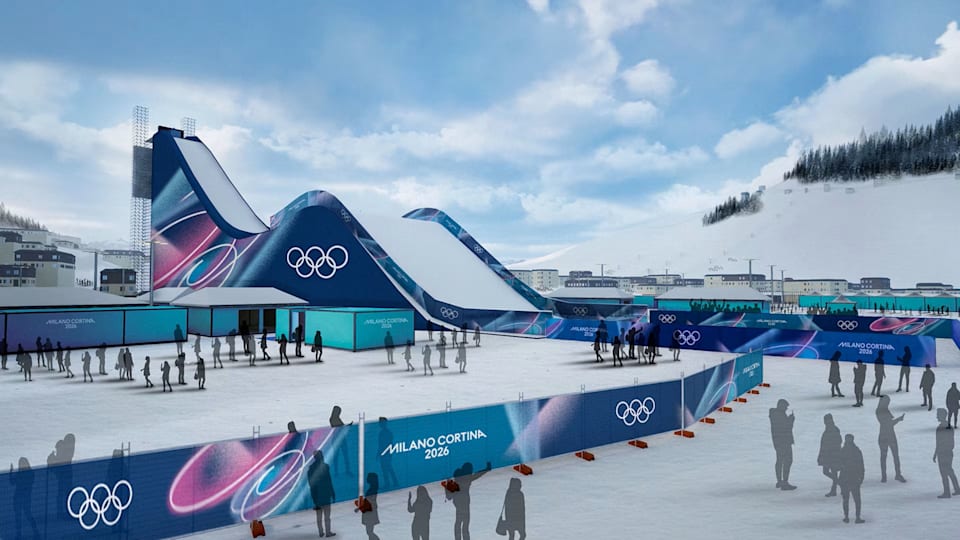
Livigno, located an hour north of Bormio, will host snowboarding and freestyle skiing. The town unveiled its Aerials and Moguls Park in December, claiming it is the first 2026 Olympic venue to be completed.
Predazzo and Tesero: Nordic Traditions
Predazzo, surrounded by the Dolomites, will host ski jumping events. The facility spans 3,000 square meters and includes ramps for international competitions. Tesero, just 10 kilometers away, will host cross-country skiing events. The stadium has a long history, having hosted the Nordic World Ski Championships in 1990.
Anterselva: A Biathlon Heritage
Anterselva, located in the South Tyrol mountains, will host the biathlon. The area has a rich history with the sport, having hosted world championships since the 1970s. The town itself is culturally unique, with over 98% of residents speaking German.
Verona: A Grand Finale
The closing ceremony will take place at the Verona Arena, a historic Roman amphitheater dating back nearly 2,000 years. Originally built to hold 30,000 spectators, it currently seats around 15,000 for the closing ceremony on February 22.


